A Capitol on Pause: The Kennedy Center, the Fourth of July, and a Nation’s Cultural Crossroads
On a sun-bleached terrace overlooking the Potomac, where tourists once leaned on railings to watch kayakers slip by and office workers took lunch with the Washington Monument shimmering in the distance, the John F. Kennedy Center for the Performing Arts feels suddenly like a paused heartbeat in the city’s chest.
“You come here for the music, the lights, the late-night conversations,” said Marcus Alvarez, a 34-year veteran usher whose hands know every aisle of the Concert Hall. “If the whole place closes, that’s not only a job for me — it’s part of the city that disappears.”
What Was Announced — and What It Might Mean
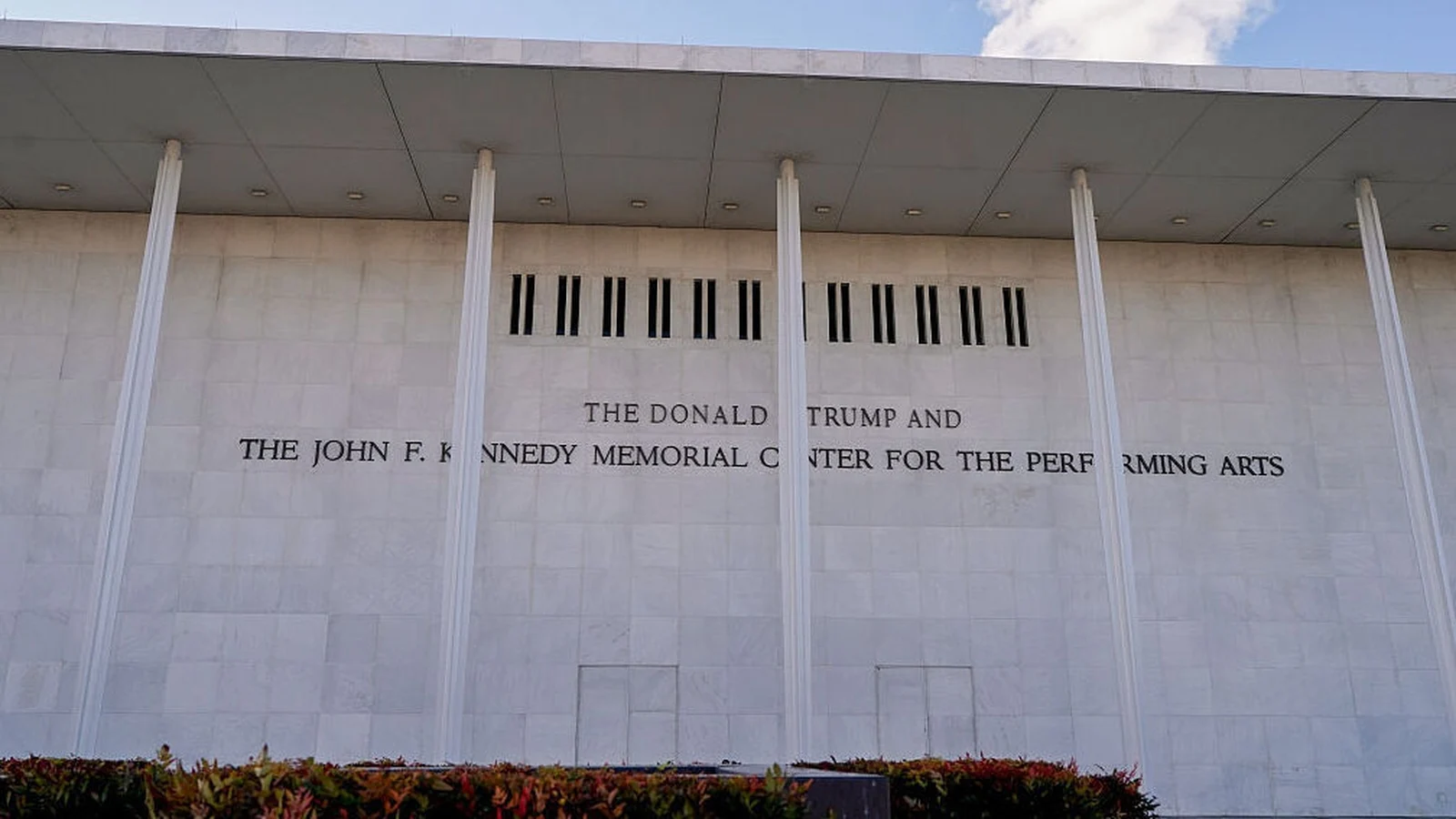
In a public post on his social platform, President Donald Trump said the institution he has recently rechristened — adding his own name to its storied title — will shutter on 4 July for roughly two years for an ambitious reconstruction. That day, of course, coincides with the 250th anniversary of the signing of the Declaration of Independence, a symbolic calendar touch that has left many observers rubbing their eyes.
“I have determined that the fastest way to bring The Trump Kennedy Center to the highest level of Success, Beauty, and Grandeur, is to cease Entertainment Operations for an approximately two year period of time,” the post read, promising a “Grand Reopening” that will “rival and surpass anything” previously staged there. The closure, the president added, is subject to board approval and—according to his post—fully financed.
Whether one reads this as the overhaul of a beloved national stage or the latest notch in a larger political campaign to rebrand America’s institutions, one detail is concrete: this is not just an aesthetic renovation. It is a dramatic reordering of whose stories the national arts center will serve and how.
Why the Move Feels Historic
The Kennedy Center — conceived as the nation’s cultural center and a place where diplomacy, entertainment, and civic ritual intersect — typically hosts more than 2,000 events a year and draws roughly two million visitors to its terraces, theaters, and rehearsal rooms. It was chartered to be a national venue, its name a memorial to a president whose public imagination helped define late 20th-century America.
So when a sitting president places himself atop its leadership, populates its board with political allies, and oversees a renaming, the shockwaves travel beyond the building’s limestone walls.
“This is about legacy, branding, and power,” said Dr. Elaine Park, a cultural policy scholar at Georgetown. “Monuments and cultural institutions are symbolic capital. Changing them is akin to changing civic memory.”
Artists Pack Their Bags — Or Refuse to Play
Resistance has been swift and visible. Several marquee companies and artists who had lined up to appear on the Kennedy Center’s stages announced withdrawals in the days that followed the president’s takeover.
Composer Philip Glass canceled the premiere of his new symphony, titled “Lincoln.” The Washington National Opera — a resident company with five decades of ties to the Center — said it would leave, calling the political takeover incompatible with its mission. Producers of the blockbuster musical Hamilton pulled a planned 2026 engagement. The Martha Graham Dance Company canceled its next scheduled appearance.
“We don’t perform in places that we feel have been instrumentalized to serve a partisan agenda,” said an anonymous director at a major arts organization. “The arts stage is supposed to be for people, not politicians.”
Local Color: Foggy Bottom’s Pulse
Walk the neighborhood and you meet a cross-section of Washington life: diplomatic spouses rehearsing right across the street, students from the nearby universities practicing lines in cafes, and an older crowd who still remembers the Center’s opening in the early 1970s and the Kennedy Center Honors that came to be a televised ritual each December.
“There’s a rhythm here — rehearsal, strike, encore,” said Lena DuPont, who runs a small coffee truck that parks near the center during matinees. “You can taste the city in the queues. Two lost years means we lose more than performances — we lose those small economies and the liveliness.”
Money, Monuments, and the Question of Public Good
Beyond the immediate cultural fallout are hard questions about money and governance. The president has outlined other architectural projects — a new ballroom at the White House’s East Wing reportedly to be funded through private donations, and an enormous “Independence Arch” that would tower over parts of the cityscape. The scope of private money in public spaces raises uncomfortable questions about access, influence, and stewardship.
“When you let private money dictate the form and symbolism of public places, you risk replacing communal narratives with the narratives of the wealthy,” said Mariah Osei, director of a Washington nonprofit that maps arts equity. “That’s a pattern we’re seeing across the globe: privatization of public culture.”
To be fair, private philanthropy has long been entwined with the arts in America. The National Endowment for the Arts, a central federal funder, operates on a budget that is a sliver of federal spending, entailing that much of the arts sector’s survival depends on donors, ticket revenue, and earned income. But the difference here is the intermingling of personal branding with a public institution’s name — a move Democrats argue has no legal force, since the Center’s original naming and mission were established by Congress.
Voices from All Sides
Not everyone is opposed. Supporters who favor a major overhaul say the building — while iconic — could be modernized to meet technical, accessibility, and patron-experience needs for a new era of performance. “This place can be world-class not just in heritage but in technology and hospitality,” said Andrew Ellis, a private event planner who has staged galas in the Center’s halls. “If done right, renovation can secure its future.”
But many take issue with method as much as message. “You don’t rebrand the history of a nation by fiat,” said historian Caroline Holt. “These are civic spaces. People expect them to be accountable to the public.”
What Are We Losing — and What Do We Stand to Gain?
Two questions echo in the marble corridors of the Center: Who gets to define national culture, and how do we balance preservation with change? The answers will matter not just for the Kennedy Center’s stage calendar but for the civic imagination of the city and country.
Will the next two years become a time of creative rebirth, with inclusive planning and community buy-in? Or will the closure deepen a schism between political power and artistic freedom — a wound felt by artists, ushers, students, and audiences alike?
As you read this, you might ask yourself: does a nation’s cultural life belong to its leaders, its people, or some fragile alliance of both? And when institutions at the heart of civic ritual are shifted overnight, what is the cost to memory, to dissent, to art itself?
Looking Ahead
The Kennedy Center’s schedule still lists performances into the summer and fall, a puzzle for patrons and producers alike. For now, the center’s terraces hum with the small, human moments that make cities live: laughter over coffee, shoes tapping in rehearsal rooms, a violinist warming up on a nearby bench. Whether those sounds fall silent for two years or swell into a reimagined crescendo will be a test — not just of architecture or branding, but of how a democracy cares for its cultural commons.
“Art survives,” Marcus Alvarez said, looking toward the water. “But institutions? They have to be fought for.”