Dark Cabin Lights, Bright Headlines: A President’s Interrupted Flight and an Arctic Obsession
The engines had barely settled into a steady rumble when the cabin lights on Air Force One winked out—an odd, breathless moment that felt more symbolic than mechanical.
For the passengers on that Boeing 747, many of them advisers primed for a high-stakes appearance at the World Economic Forum in Davos, it was an inauspicious beginning: a short, nervous taxi back to Andrews Air Force Base, a hurried transfer to a smaller jet and, hours later, a late arrival to a Swiss mountainside already humming with conversation, schmoozing and consequence.
“It felt like being on a stage and someone pulled the curtain,” said a senior aide who boarded the replacement plane. “People started texting and refreshing the news. It was a two-hour hiccup, but in Davos minutes are everything.”
Davos is a town accustomed to drama—global CEOs, activist delegations, and heads of state moving through an alpine choreography of private dinners and public panels. Yet this year the drama had nothing to do with fintech or green bonds. It orbited around a single, improbable obsession: Greenland.
Greenland: Not Just Ice, but Geopolitics in High Relief
To anyone who follows Arctic geopolitics the moment was confusing, to say the least. Greenland, an island roughly the size of Western Europe with just over 56,000 residents, has long been a strategic outcrop—its vast stretches of ice and rock cradling mineral deposits, new shipping lanes and a runway for northern defense installations like the U.S. Thule Air Base.
“This is not a real estate transaction,” said a Greenlandic fisherman, who asked to be identified only as Anders, sitting in a fish market stall in Nuuk via a call to a reporter. “We breathe this place. We have language, a culture. People come here because it is home, not because someone wants to plant a flag.”
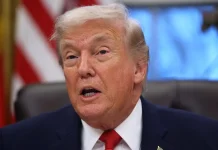
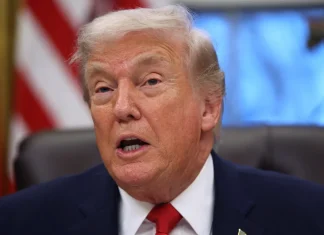
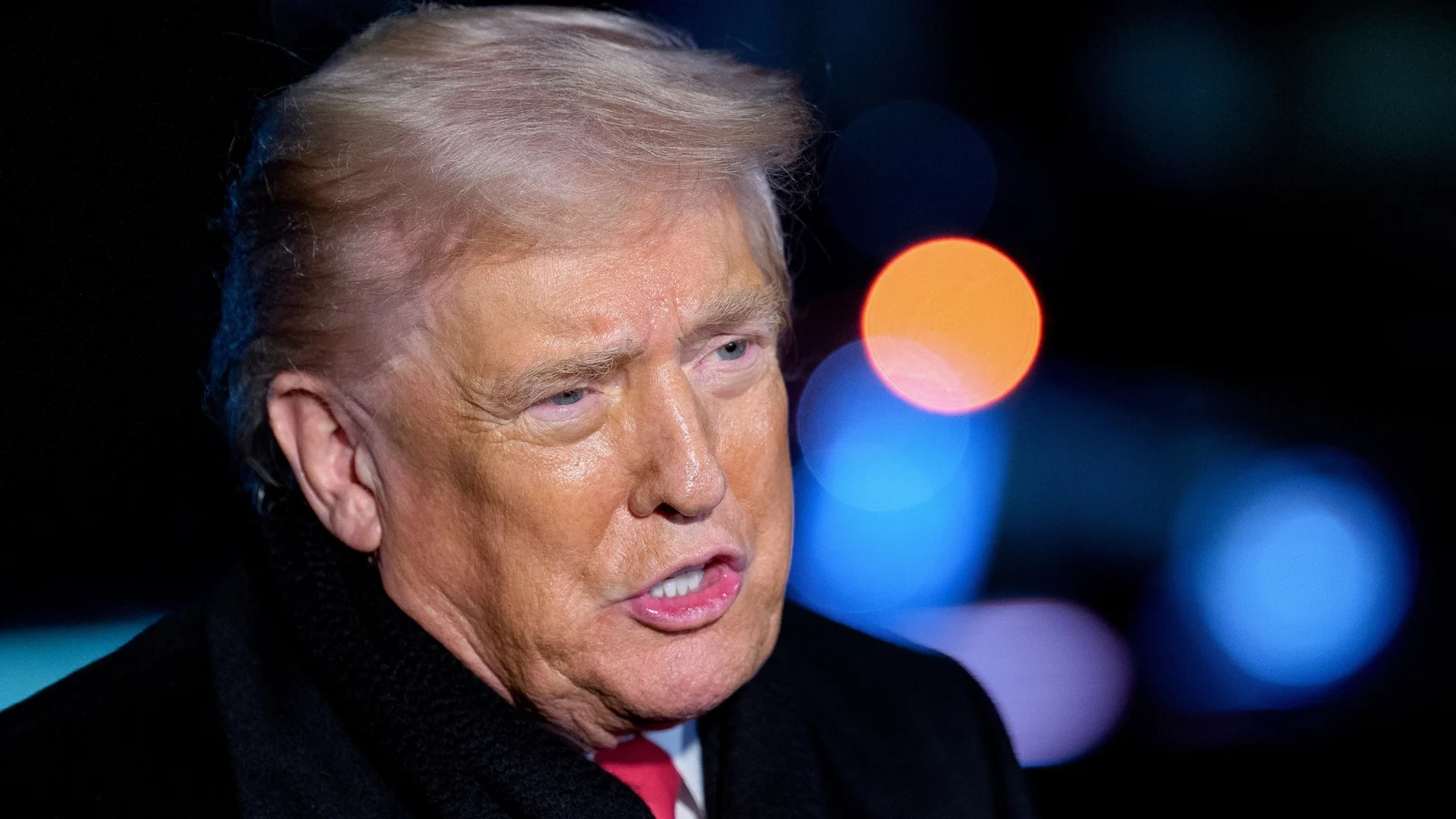
The White House briefing room offered a different tone. Asked how far the United States might go to try to acquire Greenland, the president—already enmeshed in a transatlantic row—leaned into the ambiguity and said, “You’ll find out.”
Those three words ricocheted through diplomatic channels. Leaders in Europe bristled. At a Davos panel, the French president summarily described the posture as bullying—and his rebuke landed hard in a forum built on norms and mutual interest.
Alliances on the Line
The problem, for many analysts, was not merely the idea of buying or annexing a territory. It was the implied willingness to break long-standing diplomatic norms in pursuit of transactional gains—and the cost to relationships that underpin global security.
“NATO’s cohesion rests on mutual trust and predictability,” said a former NATO official who now teaches international security. “When a member publicly toys with using military options to acquire territory, it raises the prospect of normalizing aggressive behavior. That has ripple effects from Kyiv to Reykjavik.”
Indeed, reports in the business press suggested that grand plans—such as an $800 billion package of aid and investment for Ukraine that had been scheduled for commitment discussions in Davos—were thrown into disarray as leaders diverted their attention and political capital to contain the Greenland controversy.
Back in the snowy squares of Davos, diplomats were asked if a presidential preference for “deals” could be worth straining alliances. “We have done more for NATO than anyone,” the president responded at a news conference, insisting that his actions were in the alliance’s interests even as allied leaders bristled.
Small Island, Big Questions
Greenland’s government and Denmark have offered a series of alternatives—deeper economic engagement, increased military cooperation, joint development projects—that would allow for a larger American presence without formal transfer of sovereignty.
“We have proposed expanded partnerships, investment in infrastructure, and shared security arrangements,” said a Danish diplomat in Davos. “But sovereignty is not a bargaining chip.”
For many Greenlanders, the debate felt detached from their day-to-day reality: a life shaped by short summers, long winters, the ebb of fishing seasons and an intimate relationship to the land and sea. “We have more to fear from climate change than from a visitor with dollar signs in his eyes,” Anders the fisherman said. “Our glaciers are our history and our warning.”
Beyond Greenland: Economic Messages, Diplomatic Ripples
Despite the distraction, the president aimed to use his Davos stage to tout what his team calls a resurgent American economy—lower unemployment, record equity markets and a growth narrative intended to reassure investors. The White House also signalled plans to propose changes allowing Americans to tap retirement savings for home purchases, a policy pitched as a solution to housing affordability.
But polling at home suggested a more skeptical public: months of inflationary pressure and the social costs of rising housing prices have left many voters wary of broad economic optimism. “Numbers don’t always translate into lived experience,” noted an economist who follows household finances. “Median wages, housing affordability and regional disparities matter as much as headline GDP growth.”
While in Davos, the president scheduled meetings with the leaders of Switzerland, Poland and Egypt, and planned to preside over a ceremony for a newly minted “Board of Peace” tasked with rebuilding Gaza—an initiative that some humanitarian experts fear could bypass established multilateral institutions.
“The UN has frameworks and legitimacy that a private board simply cannot replace,” said a humanitarian policy expert. “If reconstruction becomes a prize for the well connected, we risk undermining coordination, standards and the protections that civilians need.”
What Are We Willing to Trade for Influence?
There is an old phrase in geopolitics: the more things change, the more they reveal about what matters. This episode has pulled back a curtain on visceral questions: How transactional should diplomacy be? How fragile are the norms that underpin alliances? Who gets to sell—or be sold—and on what terms?
In the cafés and corridors of Davos, delegates cycled between small talk and existential debate. A Swiss hotel concierge, watching the parade of suits and security aides, shrugged and said, “Every year they say it’s the globe’s most important conversation. Every year, still, it seems the loudest voices are the ones that push people away.”
So what will we accept in the name of national interest? Is a resource-rich island worth unsettling long-term partnerships? And when private boards and alternative governance models sprout in the shadow of international institutions, will they solve problems—or create new ones?
There are no easy answers here, only the slow unspooling of consequence. Greenland is not a punchline; it is a test case. Davos was supposed to be a showcase for coordinated responses to global challenges. Instead, it became a mirror reflecting how fragile the web of international cooperation can be when tested by personality, posture and politics.
Where We Go From Here
When the president finally took the Davos stage, the world listened—partly because of policy, partly because of spectacle. But the more important listening must happen in living rooms and legislatures, in Nuuk and Copenhagen, in capitals that must now ask whether diplomacy is a marketplace or a covenant.
As snow fell behind the panoramic windows of the conference center, one delegate summed it up: “We trade ideas in Davos, but we also trade trust. Once that ledger is imbalanced, it takes years to repair.”
How do you weigh today’s headline-grabbing moves against tomorrow’s alliances? If geopolitics is chess, what pieces are you willing to lose to win a square? The answers will shape not just policy papers but the lives of people who call far-flung places home—long after the lights have been turned back on.