When the Plan Met the Undercover Agent: How a Plot to Target Manchester’s Jewish Community Was Stopped
On a gray morning in early May, more than 200 police officers fanned out around a hotel car park in Bolton. The atmosphere was clinical, rehearsed — the orchestration of men and radios, of unmarked vans and plain-clothed detectives. By the time the sun burned through the clouds, two men were in custody and a conspiracy that could have reshaped lives and neighborhoods had been laid bare.
“This could very well have been the worst single terrorist incident this country has seen,” said a senior officer speaking after the verdicts, his voice steady but exhausted. “We were confronting a plan that sought mass casualties and targeted a community purely for who they were.”
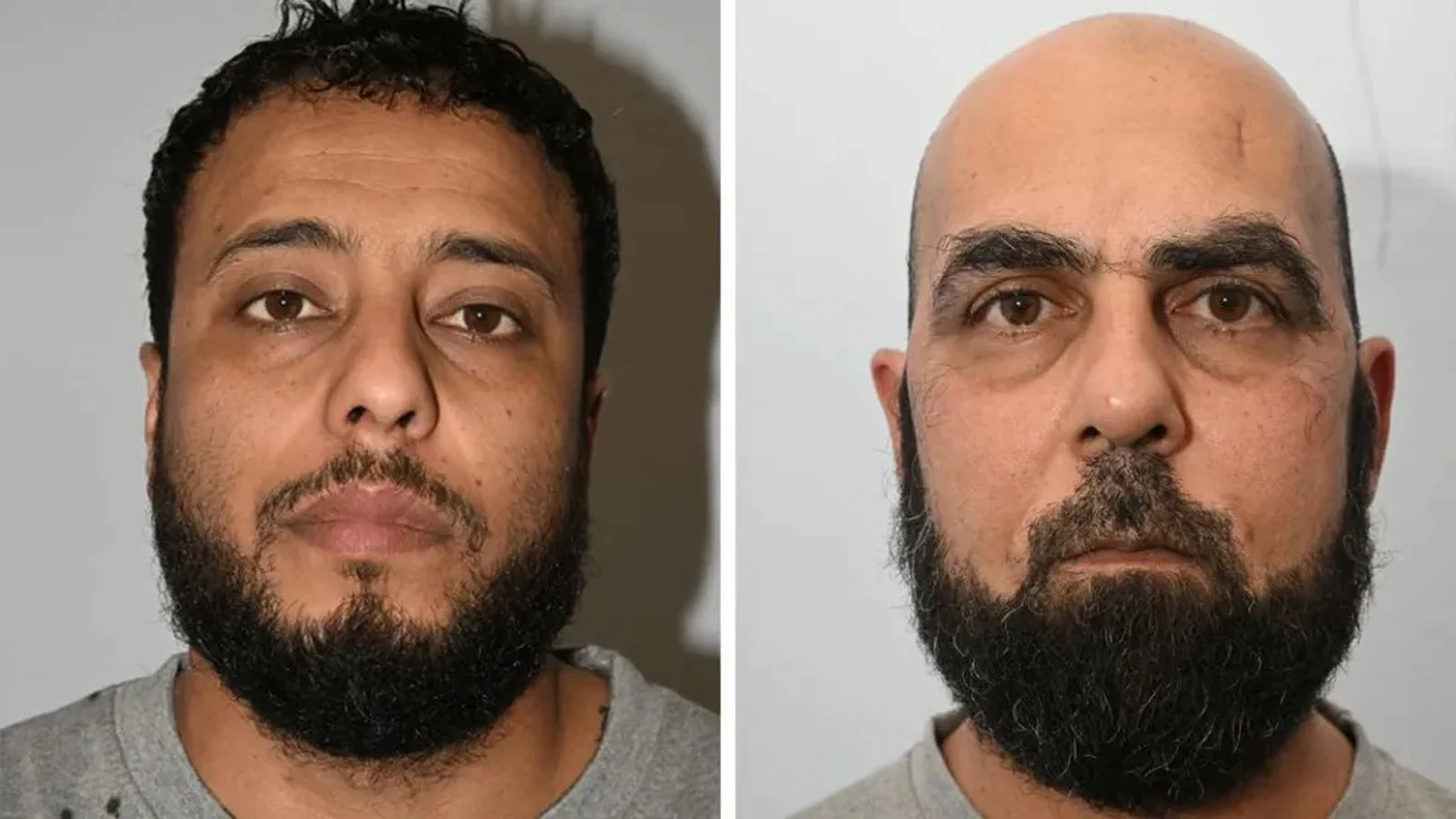
Walid Saadaoui, 38, and Amar Hussein, 52, have been found guilty of preparing acts of terrorism after plotting what prosecutors said was an Islamic State-inspired gun attack aimed at Jewish people in the Manchester area. The aim, investigators concluded, was simple and brutal: bring in lethal weaponry, attack a public gathering and then go on to hunt members of the Jewish community in north Manchester.
A plot sketched online and rehearsed on the docks
Their intentions did not spring from nowhere. Over months, Saadaoui — a father of two originally from Tunisia — moved from dark corners of social media to the more tangible realm of reconnaissance and logistics. He allegedly used multiple fake Facebook accounts to spread extremist views and to infiltrate groups where information about public events could be found.
In January, the information he gleaned included details about a large “March Against Anti‑Semitism” held in Manchester city centre, which drew thousands. Days after viewing those plans, Saadaoui is said to have told an associate that Manchester represented a promising concentration of Jewish life and that he intended to “hit them where it hurts.”
What Saadaoui believed were co-conspirators were in fact part of a meticulous counter-terrorism operation. An undercover operative — known in court as “Farouk” — cultivated his trust online and in person. Over months, the plot moved from rhetoric to purchase orders: a deposit was paid for a shipment of firearms and ammunition that, if real, would have transformed a hate-fuelled idea into mass murder.
- Four AK-47-style assault rifles
- Two handguns
- Around 900 rounds of ammunition
He travelled to Dover twice to study how a shipment could be slipped past controls. He visited shooting ranges, bought an air weapon, surveilled synagogues, nurseries, Jewish schools and kosher shops in Prestwich and Higher Broughton, and even secured a safe house in Bolton to store the weapons.
The sting and the courtroom
On 8 May, the “strike day,” Saadaoui went to a Bolton hotel car park to collect what he thought were real firearms. Instead, he walked into the long arm of an operation that had purposefully placed deactivated weapons within reach. He was arrested; Hussein, who had been recruited to assist, was also detained. Investigators later revealed both men had been planning their attack between December 2023 and May 2024.
In court, Saadaoui denied an extreme ideology, saying he had been “playing along” with the undercover agent and that he intended to sabotage any attack before it could happen. Hussein said he was not part of any plan, and his barrister argued that while he held strong opinions about the conflict in Gaza, that did not make him a terrorist.
But jurors were unconvinced. Saadaoui was linked in court to a disturbing admiration for militant figures linked to mass-casualty attacks, and his movements, communications and actions were presented as consistent with someone engineering a large-scale, armed assault.
Voices from the community
In Prestwich, the Jewish neighborhood that figured heavily in the case files, people spoke of a town rattled but resolute. “We go about our business — schools, bakeries, shul — but there’s an undercurrent now,” said Miriam, a local nursery teacher who asked that her last name not be used. “You think about who you sit next to on the tram.”
“It felt personal to so many of us,” said Rabbi David Gold, whose synagogue has been part of the community fabric for decades. “But what we also saw was the best of Manchester: the police, the councils, neighbours of every background looking out and saying, ‘Not here. Not now.’”
Those neighbours include people whose lives resemble scenes found across Britain’s towns: a furniture-store employee in Bolton who may have been an unwitting accomplice, a brother at home in Wigan found guilty not of planning violence but of failing to pass on information that may have prevented the plot. Such ordinary connections underscore how plots often grow from everyday conversations and places.
Undercover policing: necessary but complex
Undercover officers are an essential, if controversial, line of defence. The operative in this case put himself at risk over months to build trust with the suspects, and prosecutors have publicly praised his courage. “He undoubtedly saved lives,” the senior officer said.
Yet the use of covert operatives raises ethical questions. Did the presence of an embedded agent merely reveal intent that existed, or did it shape and accelerate plans that might otherwise have stalled? Counter-terrorism experts say the answer lies in the evidence of action: logistics, financial transactions, reconnaissance and procurement — all signs that planning had moved beyond talk.
Dr. Hana Ahmed, who studies online radicalization, explained: “There’s a gradient from grievance to violence. Social media and private messaging provide echo chambers where ideology intensifies. But operational preparedness — buying weapons, scouting locations — is where law enforcement has to step in.”
What this means for a global moment
This episode in Manchester is not an isolated story. It reflects a troubling global trend: antisemitism on the rise in many countries, violent models broadcast by extremist groups, and the ease with which those ideas can traverse borders online.
Consider the wider context: the 2015 Paris attacks, orchestrated by people who likewise combined ideology and logistics, left 130 people dead and changed Europe’s sense of security. Today, policing, intelligence-sharing and community resilience must evolve to meet threats that are transnational and often digital in origin.
Communities and authorities are asking hard questions: how to safeguard public spaces without turning them into fortresses? How to support civil liberties while disrupting plots? And how to rebuild trust when the threat feels both diffuse and personal?
“We have to be careful not to let fear dictate how we live,” Rabbi Gold said. “That’s exactly what the people who push this violence want.”
So what do we do? Vigilance, yes — but also investment in education, social services, and interfaith work that addresses the grievances and misdirections that lead some individuals toward violence. We need better online moderation, smarter community policing, and international cooperation to stop illegal arms flows.
As the court process continues and Bolton’s streets return to a wary normal, Manchester’s story is a reminder: violent ambitions can be hidden in the most mundane corners of life, but they can also be thwarted by determined, often unsung public servants and communities that refuse to cede ground to hatred.
How will your community respond if something similar happens nearby? What civic ties can be strengthened now, before a crisis, so that neighbours know each other’s faces and stories? These are the quieter, harder questions that may be the real safeguards against tomorrow’s plots.