A Tense Afternoon in the Shadow of the White House
On a bright Washington afternoon, when tourists typically hover over maps and street vendors shout the day’s specials, a routine stretch of 15th Street and Independence Avenue turned into a cordoned-off tableau of blue uniforms, flashing lights and the hush that follows a sudden, sharp noise in a public place.
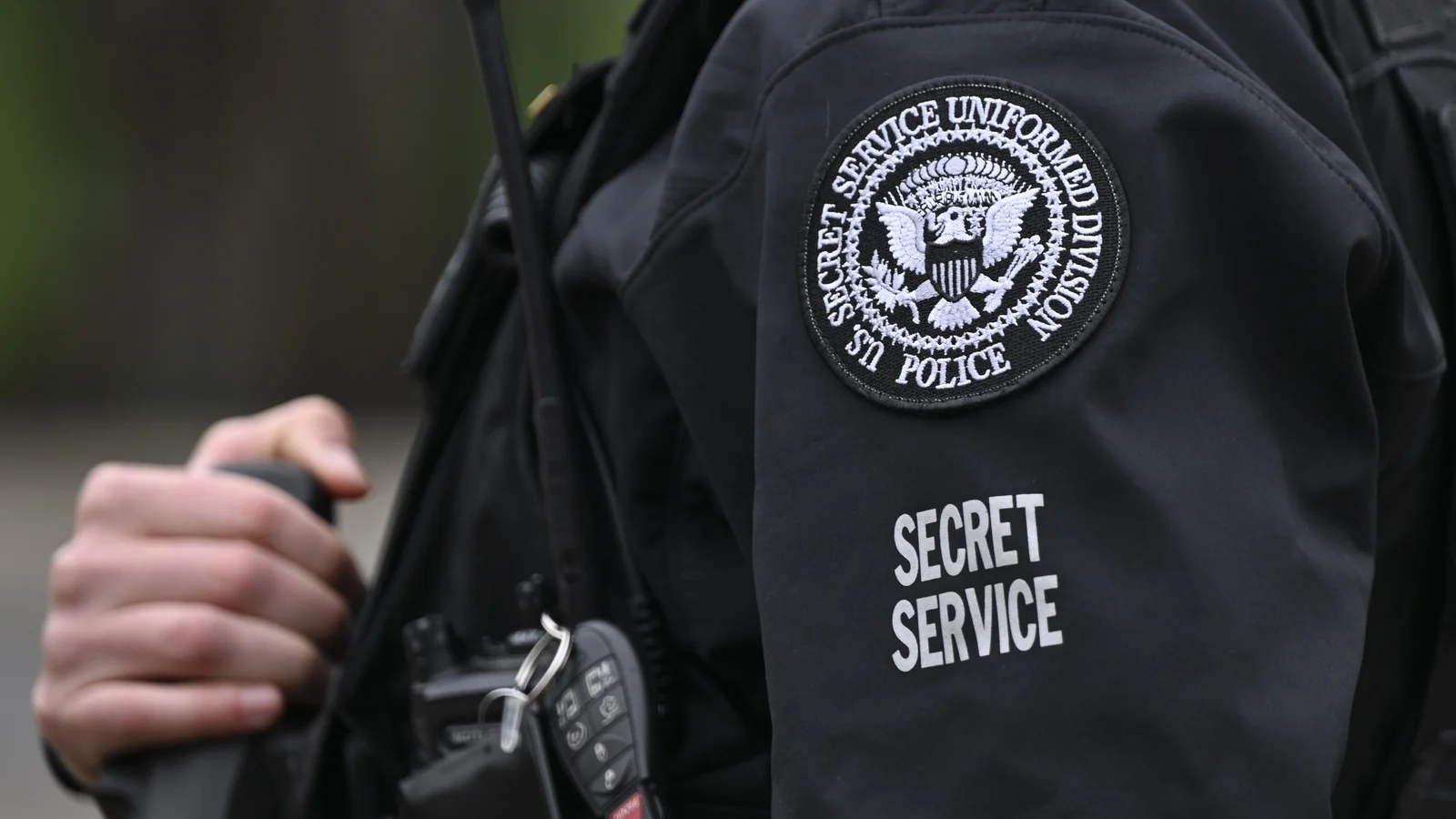
The U.S. Secret Service confirmed it was on the scene of an officer-involved shooting at that intersection, announcing on the social platform X that “one individual was shot by law enforcement; their condition is currently unknown.” Within minutes, the White House — a building more accustomed to diplomacy and daily ritual than emergency lockdowns — was temporarily sealed, its staff and guests sheltered as officials assessed what had happened.
Moments that ripple
“We heard shouting and then the sirens,” said Maria Gomez, who runs a small coffee cart two blocks from the Mall. “People stopped taking photos. Someone said not to cross. I remember thinking, ‘Not here, not now’.”
For locals and visitors alike, the incident was a reminder that even the most guarded corridors of power sit beside ordinary life — food trucks, joggers, school groups — and that the two can collide in an instant.
What we know — and what we don’t
The Metropolitan Police Department said its officers were assisting as the investigation unfolded and asked the public to avoid the area, warning that roads would be closed for several hours while evidence was collected. “The scene is secure,” the department said in an evening statement.
Beyond that, details were sparse. Officials typically hold back information in the early hours of a police-involved shooting to preserve the integrity of the probe and to avoid compromising the privacy of victims or the safety of officers. That restraint, while necessary, leaves communities and the curious piecing together the story from siren echoes, social media posts and official bulletins.
Security in an era of livestreams and anxieties
Washington has been in an elevated posture in recent days. A late-night shooting at the White House Correspondents’ Association Dinner just weeks earlier left the capital on edge; a suspect has been arrested in that case. The incident at 15th and Independence is the latest in a string of episodes that have forced a recalibration of how security is practiced in a city that is both the seat of global diplomacy and the living room for American democratic life.
“The Secret Service’s mission extends beyond protecting a building — it’s about ensuring continuity of government and the safety of those in proximity to protected persons,” said Dr. Alan Harper, a former federal law-enforcement official turned security analyst. “But when enforcement and the public space intersect, you have to balance transparency with operational necessity. That’s a delicate dance.”
The Secret Service, which is charged with protecting the president, the first family, visiting heads of state and other designated persons, as well as safeguarding the nation’s financial infrastructure, operates with a layered approach: visible uniformed officers, plainclothes protective details, and a web of coordination with local agencies. Still, when an incident occurs in a place where residents shop, commute and walk their dogs, those layers of protection can veer into visible disruption.
Voices from the ground
On sidewalks near the Mall, people traded speculation and concern. “It’s scary when you can hear something and you don’t know where it’s coming from,” said Jamal Thompson, a teacher who was leading a school group on a field trip. “These kids are supposed to be learning about our history, not about how close danger can be.”
Tourist Maria Petrov, visiting from Bulgaria, described the surreal quality of learning about local events in real time. “We planned this for months,” she said. “Now we’re sitting on a bench and the police tell us to move. You never expect your vacation to include this.”
A Secret Service official, speaking on background to explain the agency’s posture, highlighted the need to avoid premature conclusions. “Our priority is to protect life and to investigate fully,” the official said. “We will provide updates as soon as we are able to do so responsibly.”
Impacts that reach beyond the perimeter
There are practical consequences to these incidents: traffic snarls that disrupt thousands of commutes, museum closures, and a visible decrease in foot traffic for small businesses that rely on daily tourism and office-worker patronage. But the less tangible toll is perhaps harder to measure — a sense of frayed normalcy in a place many think of as stable and secure.
Local vendor Ms. Gomez worried about the long tail of such moments. “If people start feeling unsafe, they don’t come,” she said. “We depend on those who pass through this area every day.”
Context: safety, firearms, and public spaces
Officer-involved shootings are, tragically, not uncommon in American cities. In the District of Columbia, policing strategies and public safety remain central debates among residents and policymakers alike. Nationally, the conversation is tethered to broader questions about gun access, mental health, and the training and protocols governing officers and federal agents.
“Every officer-involved shooting triggers the same hard questions: Was the use of force necessary? Were de-escalation tactics tried? How quickly do we get answers?” said Dr. Lorraine Keating, a criminologist who has studied policing in urban centers. “Communities deserve transparency and accountability, and officers deserve support and clear guidelines.”
What comes next
Investigations in these cases typically proceed through several channels — internal administrative reviews, criminal inquiries when warranted, and agency-level assessments of policy. Meanwhile, the public must wait for official findings. That waiting is often filled with rumor and conjecture unless agencies prioritize timely, substantive communication.
As night fell over the city, the barricades remained. For residents and visitors, the scene at 15th and Independence was a stark reminder that the nation’s capital is both a symbol and a lived environment where public safety decisions ripple outward.
Questions to sit with
How do we balance the need for immediate security with the public’s right to know? What steps can be taken to reduce the chances of such confrontations occurring in the first place? As cities around the world grapple with public safety in an age of mass gatherings and political spectacle, those questions invite more than quick answers.
“We need to treat these moments as moments of learning,” Jamal Thompson said. “Not to point fingers, but to ask how we got here and what we do better next time.”
For now, investigators will work, statements will be released in due course, and the city will breathe again — cautiously, collectively — as it waits for clarity. In the meantime, the hum of Washington continues: diplomats arriving, students filing through museums, vendors packing up — life moving forward under the watchful eyes that protect it, and under the anxious ones that hope for a safer tomorrow.