A United Nations office on fumes: what it means when human rights work is starved of cash
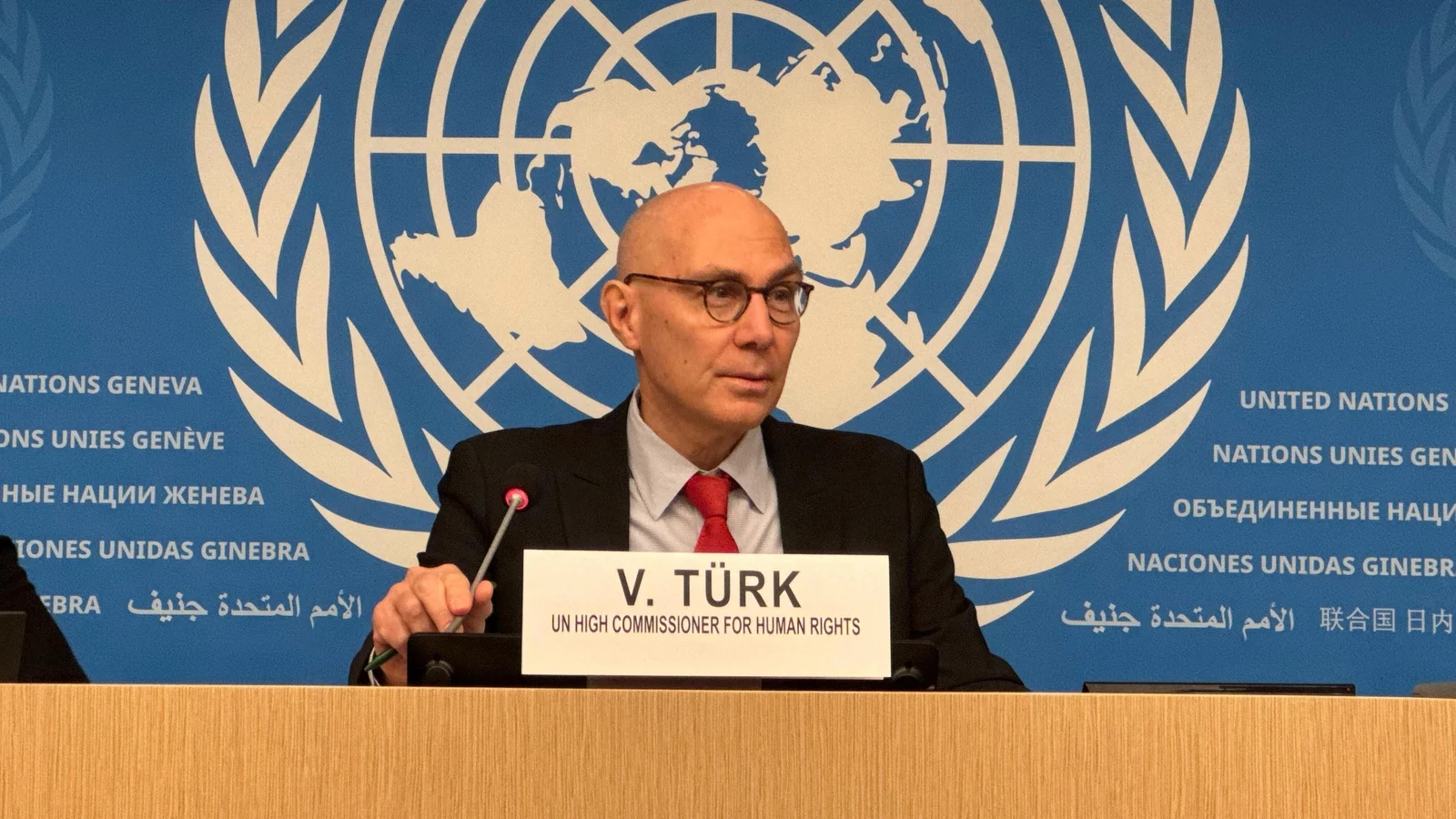
On a gray morning in Geneva, the corridor outside the United Nations Human Rights office felt smaller than it used to—desks empty, phone lines unanswered, the hum of conversation replaced by a brittle quiet. Volker Türk, the UN High Commissioner for Human Rights, walked into the press room and described a word that settled over the building like dust: “We are in survival mode.”
“Our resources have been slashed, along with funding for human rights organisations — including at the grassroots level — around the world,” he said, his voice steady but strained. It was not a rhetorical flourish. The numbers are stark: the Office of the High Commissioner has roughly €77 million less than it needed this year and has cut about 300 posts as a consequence. The arithmetic of shortfalls has real human reverberations.
When the tape measure of accountability gets shorter
Human rights work is not abstract. It is the long, patient labor of documenting abuses, visiting prisons and camps, interviewing survivors, and pushing states to live up to treaties. With those 300 posts gone, entire investigative missions have been delayed, country visits by independent rapporteurs have been cancelled, and dialogues meant to prod governments into compliance are being put on ice.
“We’re seeing essential work curtailed — in Colombia, the DRC, Myanmar, Tunisia — precisely at a moment when the need for scrutiny and presence is growing,” Türk warned. “All this has extensive ripple effects on international and national efforts to protect human rights.”
What those ripples look like on the ground
In Colombia, a human rights lawyer in Bogotá told me: “When monitors don’t come, the message to armed actors is clear: no eyes, no consequences.” She asked that her name not be used; her work makes enemies. Across the Atlantic, a field investigator in eastern Democratic Republic of Congo described towns where displaced villagers gather around a single generator for warmth and news. “We used to have report teams visit every few months,” she said. “Now they come once a year, if at all. People feel more abandoned.”
In Myanmar, journalists in Yangon whispered about the closure of inquiry windows into alleged atrocities against civilians. “The fewer the observers, the bolder the crimes,” a freelance reporter observed. In Tunis, human rights lawyers said the absence of international attention allows backsliding on freedoms that people fought hard for after 2011.
Sudan: a warning from the ashes of Al-Fashir
Perhaps nowhere is the danger more immediate than in Sudan. The paramilitary Rapid Support Forces (RSF) seized Al-Fashir in late October, a blow in a war that has stretched more than two years and driven millions from their homes. Advances into Kordofan — and the seizure of the country’s largest oil field — have set off alarms.
“I am extremely worried that we might see in Kordofan a repeat of the atrocities that have been committed in Al-Fashir,” Türk said, invoking images that are recent and raw: burnt villages, mass graves, and crowded shelters where fathers whisper of what they had to do to survive.
A volunteer aid worker who fled north Darfur described walking through a market where vendors still hawk spices but where the faces are older and the gossip is about which road is safe. “When the international monitors left,” she said, “we were left with the forces of violence as the only law in town.”
Ukraine and Gaza: new weapons, rising tolls
It is not only conflict zones long on the news cycle that suffer. Türk highlighted a 24% rise in civilian casualties in Ukraine compared with the same period the year before, attributing much of the increase to the growing use of powerful long-range weapons. “These are not precision issues in most cases,” he noted, “they are strategies that place civilians directly at risk.”
In Gaza, where hospitals and bakeries alike have been damaged, rights monitors have found themselves struggling to document violations amid access restrictions and shrinking resources. A Palestinian doctor in Gaza City told me by phone: “We don’t just need bandages; we need witnesses to what is happening. When those witnesses vanish, the cycles of violence deepen.”
Why the world is failing its watchdogs
Donor fatigue is a phrase that has become painfully familiar. Governments and private foundations juggle competing emergencies — climate disasters, protracted humanitarian crises, migration pressures, and domestic austerity. But turning away from human rights work has a unique cost: without documentation, abuses are less likely to be prosecuted; without international pressure, state actors feel emboldened to violate rights with impunity.
“It’s not that money is unimportant anywhere else,” said a former UN budget official in New York, “but human rights monitoring is a public good that rarely draws headlines until it’s too late. That’s exactly when it should have full funding.”
Local color: the human geography of cuts
Walk through the markets of Al-Fashir now and you’ll hear storekeepers trading stories about the soldiers who came through with new power. In eastern Ukraine, elderly men in flat caps still sip tea on benches and swap rumors about where the next strike will fall. In Tunis, café owners lament the lost business of international delegates who once filled tables and conversations with hopeful, if nervous, debates about reform.
These are the textures that funding decisions erase. They are not statistics. They are the evenings when a mother tucks her children into bed and imagines a world where someone is keeping watch on the thin line between survival and atrocity.
Why this matters to you — and what you can do
When human rights institutions are underfunded, the consequences extend beyond the immediate places on the map. Impunity breeds instability; unaddressed abuses fuel migration and radicalization; silence corrodes the laws and norms many countries claim to uphold. What feels like a distant policy decision in Geneva filters down to decisions about whether a family can return home, whether a trial goes forward, whether evidence is preserved.
So what can readers do? The choices are not just for diplomats and funders. Citizens, donors, and civil society can press their governments to prioritize human rights funding, support grassroots organizations, and demand transparency in how aid is allocated.
- Write to your representatives and ask them to restore and protect funding for international human rights monitoring.
- Donate to reputable grassroots human rights organizations that operate on the front lines and often fill the gaps left by larger institutions.
- Stay informed and amplify verified reporting on rights abuses so they remain in public view.
A moment of choice
We are at an inflection point. The choice is not merely budgetary; it is moral. Will the global community continue to underwrite a system in which accountability is discretionary and protection is a luxury? Or will it recognize that safeguarding human dignity requires sustained, often unglamorous investment?
“Human rights are not a luxury in good times; they are a lifeline in bad ones,” Türk reminded reporters. That lifeline is frayed now, and every time a fact-finding mission is canceled or a rapporteur’s trip is postponed, the rope gets thinner.
As you close this piece, ask yourself: do we want a world where abuses are recorded and judged — or one where memory is curated by the victors? The answers we give will shape the lives of millions who will never stand in a Geneva press room but who desperately need someone there fighting in their name.