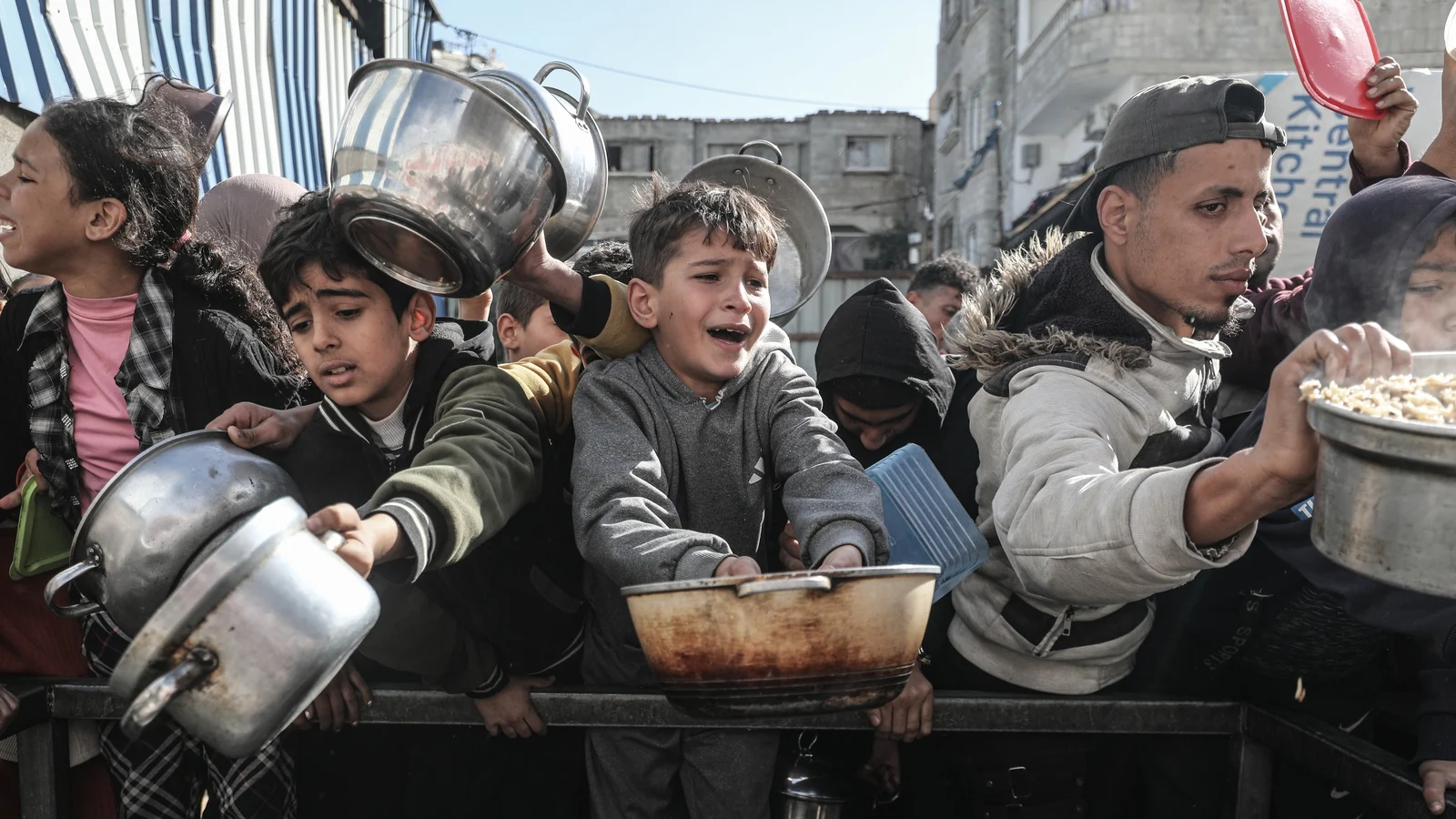
Gaza’s Ceasefire That Didn’t Stop the Bombs: Children at the Center of an Unfinished Reckoning
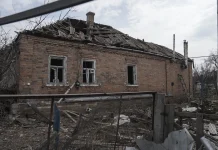
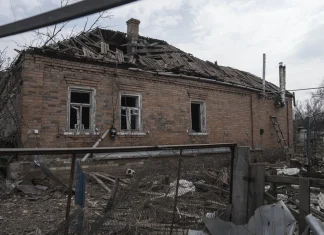
The wind that slips through the broken windows of Jabalia carries a dozen small sounds at once—the distant hum of generators, the clink of a teacup, a dog’s bark, and the muffled sob of a mother who has learned to keep her grief in a pocket to avoid attracting attention. It also carries dust: a fine, gray reminder that life here is being sifted, grain by grain.
Three months into what diplomats call a “tenuous” ceasefire, the United Nations’ children’s agency, UNICEF, delivered a figure that reads like a curt sentence: at least 100 children killed in Gaza since the pause began. That is roughly a child a day. The Gaza health ministry’s count is higher—165 children among 442 fatalities recorded during the same interval. Both numbers are more than statistics; they are the index of a generation being hollowed out.
On the ground in Jabalia
“We wrapped him in the blanket he was born in,” says Fatima al-Masri, a 28‑year‑old mother of three, her voice thin as the smoke rising from a neighbor’s ruined pantry. “We wanted to keep his smell with us. It felt wrong to throw it away.” Her youngest son, she says, was playing near the door when a strike tore through the block. “Ceasefire or not, our door is full of ghosts.”
There is a relentless ordinaryness to the grief here: a teacher trying to coax a class of frightened children through a lesson on commas, an old man who irons shirts under a tarp because he refuses to be idle, a line of women sharing hot bread and stories of lost cousins. These are gestures of survival—and small protests against an erosion that is both physical and psychological.
“Children here have been living under sustained bombardment for more than two years,” said James Elder, a UNICEF spokesperson, during a briefing in Geneva. “They still live in fear. The psychological damage remains untreated, and it’s becoming deeper and harder to heal the longer this goes on.” He pointed to the methods of killing: airstrikes, drones, tank shells, live ammunition—and even quadcopters—painting a machine-made lexicon of loss.
Counting the dead, measuring the damage
Numbers help us grasp scale; they do not make it gentler. Local authorities in Gaza have estimated that more than 70,000 people have been killed since October 2023, when a devastating offensive began. The United Nations puts the built-environment in stark terms as well: nearly 80% of buildings in Gaza have been destroyed or damaged. Schools, hospitals, warm rooms for children in winter—all scarred.
“We are at 100—no doubt,” Elder said of the confirmed child fatalities, though he cautioned that the true figure is likely higher. Gaza’s Ministry of Health, for its part, reported an additional cruelty: seven children have died from exposure to cold since the beginning of the year, a reminder that war kills not only with bombs but by stripping away the means of survival.
Statistics like these are not only local; they register globally. How many other places are consigning children to tragedies by attrition—through interrupted medical care, through malnutrition, through denied schooling and the everyday cruelty of fear? In Gaza, these trends are visible in the ragged lines at clinics, in mothers whispering to their children not to run, in playgrounds that no longer invite play.
Humanitarian aid—flowing, then choked
Relief has arrived, at times in unexpected torrents. UNICEF says aid deliveries into the densely populated strip increased significantly since October. Yet on Jan. 1 the Israeli government suspended 37 international aid agencies from operating in Gaza—an action the UN described as “outrageous.” The decision has narrowed the lifeline for thousands.
“Blocking international NGOs, blocking any humanitarian aid… that means blocking life‑saving assistance,” Elder said bluntly. “You need partners on the ground, and it still doesn’t meet the need.”
Frontline aid workers speak of the logistical puzzles they now face—permits delayed, convoys reduced, warehouses under scrutiny. “Last week we had to reroute a convoy three times,” said Sara Haddad, a Lebanese relief coordinator who has been alternating between Gaza and the West Bank for years. “We can’t be everywhere. We can’t fix everything. But when you see a clinic empty of medicines because a truck couldn’t pass, that is concrete, immediate harm.”
Voices that should be heard
Families here are not statistics; they are names and rituals and stubborn, small joys. “My son loved lemon tea,” says Ahmad, a teacher who lost his 10-year-old in a shelling. “Every morning he’d ask for two spoons of sugar. Now the sugar sits where it always did. I still pour the tea, but it is only for me.” His words land like stones in a quiet room.
The gap between what international institutions report and what people feel on the ground has widened. “When you’ve got key NGOs banned from delivering humanitarian aid and from bearing witness, and when foreign journalists are barred,” Elder asked, “it begs the question: is the aim to restrict scrutiny of the suffering of children?” That question hangs like a question mark over the whole enterprise of humanitarian response.
What this moment asks of the world
What do we owe to children who have known nothing but intermittent peace? How do we measure responsibility when a ceasefire does not equal safety? These are not only moral questions; they are political and practical ones.
First, sustained humanitarian access: vaccines, winter fuel, trauma counseling, and safe schooling are immediate priorities. Second, accountability and transparency: independent verification of incidents that claim civilian lives can help prevent impunity. Third, the long view: education, livelihoods, infrastructure—all must be rebuilt with local voices leading the planning.
“We cannot reconstruct childhood with tents and textbooks alone,” says Amal Nasser, a child psychologist volunteering in Gaza. “Healing takes time, stability, and belief that tomorrow will be better. Without that scaffolding, trauma calcifies.”
Where do we go from here?
It is easy to feel overwhelmed by the scale of loss. It is harder, but necessary, to translate that feeling into steady action. Write to your representatives. Support credible relief organizations that have a track record of staying and delivering. Demand independent investigations into civilian casualties. Read reporting that centers local voices. Above all, refuse to let these children become footnotes.
When you imagine Gaza, what do you see? A map shaded in headlines, or a neighborhood where a woman still irons shirts under a tarp, where a teacher still draws commas on a chalkboard in the hope that syntax can still be a small island of order? The answer matters—because how you see this place will shape what you do next.
In the end, a ceasefire that “slows the bombs” may be progress by one measure. But as UNICEF warned, a pause that still buries children cannot be the end point. For the families of Gaza, and for all of us watching from afar, the work has only begun.