A Ceasefire That Breathes—And a Blockade That Squeezes: Diplomacy Returns to Islamabad
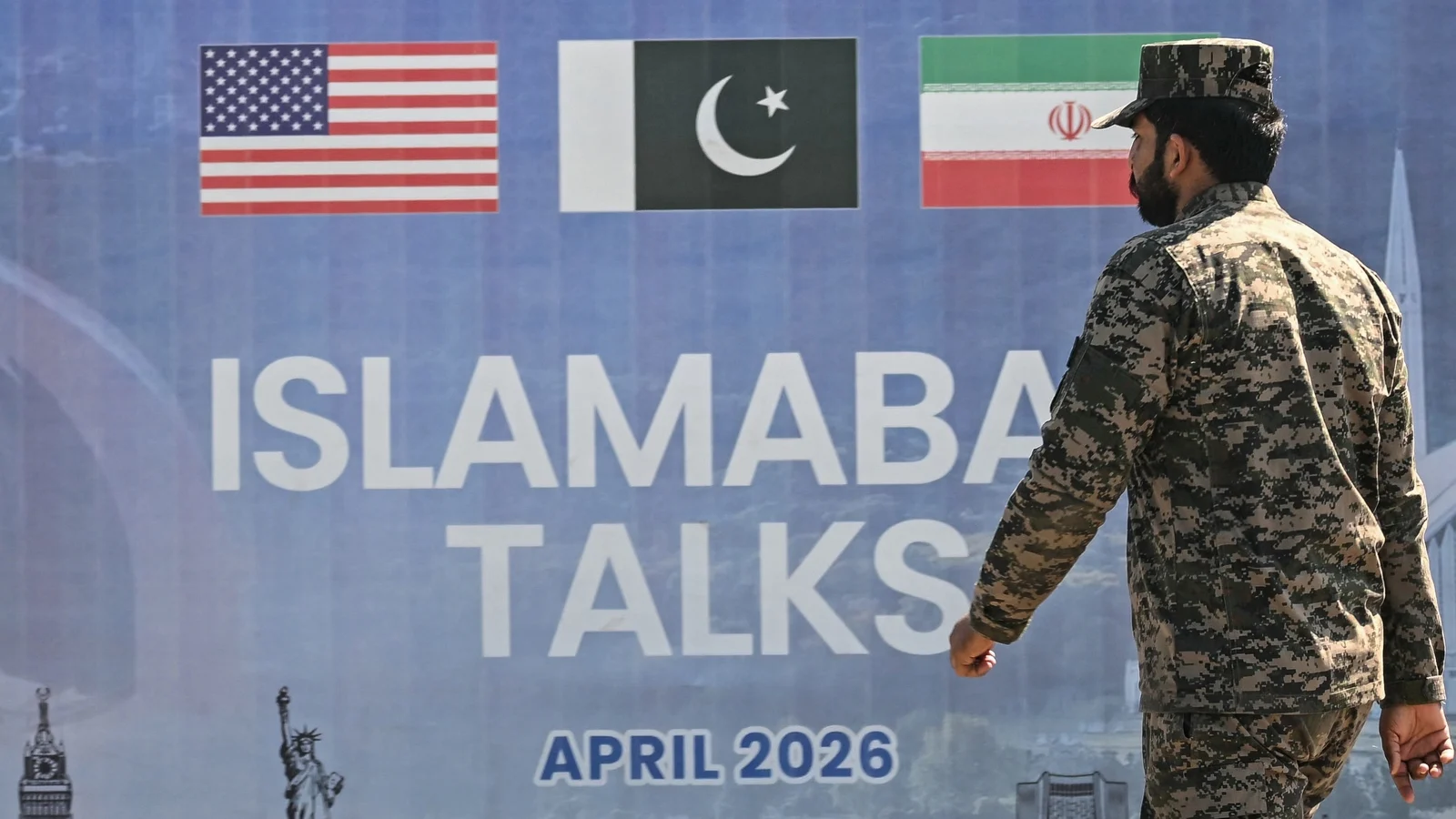
In the cool early hours of Islamabad, jasmine and diesel mix in the air as the city waits for news. Delegates who flew in last week have scattered back to their hotels; the low, constant hum of generators at the diplomatic quarter punctuates murmurings of a return to the negotiating table. After a weekend of tense discussions that ended without a breakthrough, negotiators from Washington and Tehran may be back in Pakistan before the week is out, sources say—an anxious, hopeful reprise to a diplomatic drama playing out on the narrow bridge of the Strait of Hormuz.
“We’re not done,” said a senior Pakistani official who asked not to be named. “Both sides left a place at the table. That means there’s still a door open.”
The Blockade, the Strait, and the Price of Passage
On Monday, the United States moved to block shipping traffic in and out of Iran’s ports. Tehran answered with a furious denouncement, calling the move “piracy” and warning that no Gulf port would be safe if Iran’s own were threatened. For traders and tankers, the blockade is more than rhetoric: the Strait of Hormuz is a chokepoint through which roughly one-fifth of the world’s oil and liquefied natural gas once flowed freely. Any sustained disruption here ripples through economies from Tokyo to Nairobi.
Markets reacted, then steadied. A combination of diplomatic signals—talks possibly resuming—and the initial lack of direct military engagements helped calm the trading floors: benchmark crude slid below the psychologically important $100 per barrel mark after a brief spike. But the International Monetary Fund and the International Energy Agency have already painted a grimmer backdrop.
The IMF recently warned that if the conflict worsens and oil prices remain above $100 through 2027, global growth could tip toward recession. The IEA, in turn, has trimmed its near-term forecasts for supply and demand growth, projecting that the shocks from conflict and sanctions will shave expansion from both sides of the oil equation.
On the water
Despite the blockade announcement, satellite and shipping data showed Iran-linked tankers moving through the strait, some not destined for Iranian ports. The U.S. Central Command framed its orders narrowly: the blockade would apply to vessels entering or leaving Iranian ports in the Gulf and the Gulf of Oman, and would not interfere with neutral, transiting ships bound for non-Iranian destinations. In practice, enforcement at sea is a knotty, dangerous puzzle.
“Ships are like small moving countries,” said an American maritime security analyst based in London. “You can write rules on paper, but at sea you need navigation, fuel, crews, flags, insurance—and the choices captains make in a crisis are human, and often pragmatic.”
Back to the Table: Diplomacy on a Tightrope
The weekend talks in Islamabad—the highest-level contacts between the U.S. and Iran since 1979—ended without a deal. Yet the sense among diplomats was not of complete failure. A proposal to reconvene has been circulated, and both sides have reportedly kept their calendars open for Friday through Sunday.
“No final chapter has been written,” an Iranian diplomat said in a low voice over tea. “We tested each other’s limits—now it’s time to see who will carefully step back.”
From Washington’s side, negotiators have been firm on one red line: any agreement must remove enriched nuclear material from Iran and include credible verification mechanisms to ensure Tehran is not edging toward a weapon. “Verification is non-negotiable,” a senior U.S. official told Reuters anonymously. “We need to be able to prove what we see on paper in the real world.”
That stance has resonated in allied capitals. Israel’s leadership, vocal and uncompromising, insists that enriched material cannot remain inside Iran. Other Western nations—Britain and France among them—have declined to join the U.S.-led blockade but have offered to help protect shipping lanes if a diplomatic framework is agreed.
Complications on the ground
Compounding Pakistan’s fragile mediation is the war’s spillover into Lebanon, where Israel has kept striking Iran-backed Hezbollah targets. Iran argues those operations should fall within any ceasefire calculus; Israel says they are separate. The result: parallel fires burn beyond the immediate U.S.-Iran standoff, widening the diplomatic tentacles and complicating any neat resolution.
Voices from the Gulf and Beyond
Walk into any coastal port town in the Gulf or the fishermen’s wharves along Iran’s southern coast, and you’ll hear a rich mix of fear, stoicism, and weary commerce. “We know the sea,” said Hassan, a fisherman from Bandar Abbas, his hands still smelling of salt and fish. “When prices jump, our nets get heavier with trouble. We don’t want war. We want to sell our catch and feed our families.”
In Islamabad, hotel staff who have been serving international delegations report late-night corridors where translators, aides, and ministers met quietly after public statements. “They smoke and drink tea and talk,” said a manager at an unassuming diplomatic hotel. “Sometimes they even laugh. It shows they are still human, despite what they do on television.”
Energy traders speak in colder terms. “A temporary lull in prices doesn’t change the structural risk,” said a Singapore-based trader. “Supply chains were already fragile coming out of the pandemic. Add a chokepoint under threat—that’s a multiplier.”
Why this matters to you
Ask yourself: when you fill your car, heat your home, or book a flight, how much of that experience depends on an invisible line of ships threading a narrow waterway? The crisis in the Gulf illustrates how geopolitics, energy security, and everyday life are braided together.
- Nearly 20% of global oil and gas flows cross the Strait of Hormuz in normal times.
- The IMF warns of a recessionary risk if oil averages remain above $100 through 2027.
- Even limited port restrictions can set off insurance hikes, reroutings, and supply-chain delays worldwide.
What comes next?
The next days in Islamabad will feel like holding a breath. Will delegations return, open with new proposals, and inch toward verification language that both sides can live with? Or will the blockade harden positions, encouraging stakeholders to prepare for a longer, costlier conflict?
“Diplomacy is messy and slow,” reflected a veteran Pakistani mediator. “But war is fast and final. The fact we are still talking is not nothing—it’s everything.”
As you read this, somewhere a tanker turns, a negotiator rewrites a line, and a family calculates the price of bread. These ripple effects are global, intimate, and immediate. They ask us, as citizens of a connected world, whether the great work of preventing catastrophe is worth the patience it requires.