In the shadow of the Capitol: Washington’s pulse after a new chapter in the Middle East
On a brisk morning in Washington, the city’s usual rhythms—commuters, tourists, the joggers who keep time along the Tidal Basin—felt both familiar and fragile. Flags fluttered over government buildings, and the carriage horses near the National Mall ambled past stoic monuments that have long watched the world’s dramas unfold. Yet beneath the surface was a different kind of hush: a low-level hum of worry that surfaces only when distant bombs become headlines at your kitchen table.
This week, the United States and Israel launched what officials are calling Operation Epic Fury against Iran. The operation, announced with the kind of gravity that rewrites foreign policy playbooks, has rippled across the region and triggered an anxious response from capitals in Europe and beyond. Brussels called it “a dangerous moment for the continent,” and diplomatic cables have been moving fast between allies. Here in Washington—the political capital of the world—I walked streets and sat in cafés, listening, asking, absorbing the small, telling things people say when the future seems uncertain.
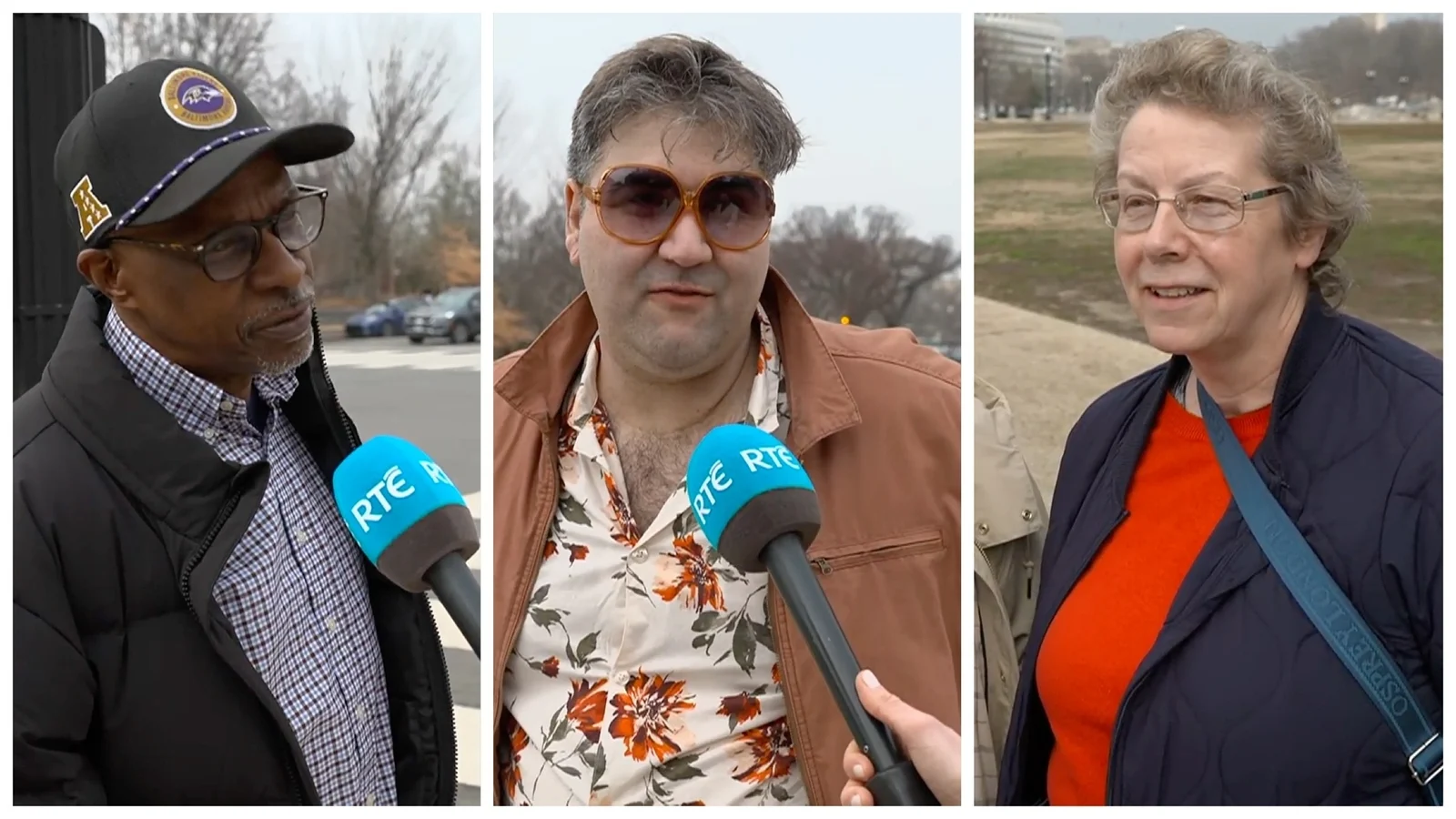
Voices on the street
“You worry whether your life will be touched directly,” said Maria Alvarez, a 34-year-old nurse from Arlington, stirring her coffee with a careful hand. “Not because I’ll end up in uniform, but because lines blur: prices, supply chains, kids at school worrying. It’s an ache you can’t leave at work.”
Across from her, two British tourists—backpacks still dusty from an east-coast road trip—paused their sightseeing to weigh in. “We didn’t come here to be reminded that a parking meter is safer than diplomacy,” joked one of them, then grew serious. “This feels like watching dominoes, and you don’t know which tile will fall next.”
At the foot of the Capitol building, a gray-haired veteran named Thomas Reed smoked quietly and said, “I served in the region thirty years ago. The faces change, the tech changes, but the feeling of being used as a bumped pawn… that’s the same. If the gamble is big, then the cost will be big.”
A young congressional aide, whose name I am withholding because she was not authorized to speak on the record, told me: “There’s a tension here—between the impulse to show strength and the hard math of what escalation means. It’s like watching two chefs over-salt the same dish.”
Local color: the city copes
Washington is a city of rituals. A vendor outside Union Station wrapped a pretzel in a paper bag and said, “Business slows when people read the news. They think about flights, not food.” A Metro operator, who watched commuters press their faces to the windows, shrugged and said, “We keep the trains moving. That’s how normal returns.”
On the corner of 14th and U Streets, a small Ethiopian café that usually hums with lunchtime chatter was quieter than usual. The owner, Amina, poured tea and told me she feared political tremors more than a drop in foot traffic. “I have family far away. When the phone rings, my hands shake. But I have to keep making injera and coffee. People need small certainties.”
What leaders are saying — and why it matters
International leaders have spoken in tones designed to steady markets and publics. European diplomats warned of spillover across the Middle East and the Mediterranean, pointing to refugee flows and economic shocks as near-term concerns. In Washington, briefings emphasized precision and aims: officials said the operation targeted capabilities they argued threatened regional stability. Opponents, though, warned the campaign could widen hostilities, pulling non-state actors and proxy forces into a spiral.
“This is not about victory parades,” said Dr. Lena Adams, a foreign policy fellow at an Atlantic think tank. “Operations with transnational implications require more than missiles and intelligence. They require contingency planning for diplomacy, humanitarian corridors, and a credible plan to avoid miscalculation.”
Her words echo a longer historical lesson: direct confrontations rarely stay contained. The Middle East is a dense tapestry of alliances and grievances; when one thread snaps, patterns shift unpredictably.
Numbers and context
It’s tempting to reduce this to statistics, but numbers can be both clarifying and misleading. Tens of thousands of military personnel from various nations remain stationed across the wider region; global oil markets reacted within hours, with traders pricing in potential supply disruptions. Humanitarian organizations have warned that any broadening of the conflict could displace thousands more people already vulnerable from years of instability.
Public sentiment is a mosaic: some Americans express resolute support for decisive action; others fear a return to long, expensive wars. Recent polling trends have shown greater skepticism among younger voters about military interventions, and a near-universal desire—across ideologies—for clear objectives and exit strategies.
Beyond the headlines: the human margins
Amid slogans and soundbites, people live lives that refuse to be reduced to geopolitics. In Dupont Circle, a teacher I spoke with admitted she spent her spare minutes drafting lesson plans about empathy and civic discussion, rather than tactics. “If nothing else,” she said, “this is a test of our ability to teach kids how to listen to each other when the news tells them to be afraid of the other.”
And at a small mosque near Columbia Heights, community leaders organized a vigil for peace. “We remember our own families who fled wars,” said Imam Kareem, lighting a candle. “We pray that others do not have to.”
Questions to sit with
What do we owe people on the ground—diplomats, medics, translators—who risk their lives when governments make distant decisions? How do democracies balance the need to deter threats with the moral and fiscal costs of war? As citizens, what information do we demand from our leaders before we accept conflict as inevitable?
These are not rhetorical indulgences. They are practical, pressing concerns that will shape budgets, elections, and families’ futures in ways spreadsheets cannot fully capture.
Where might things go from here?
Predicting the arc of any military operation is perilous. Diplomacy, back-channel talks, and the stance of regional players will all matter. So will domestic politics—leaders in capitals must answer not only to strategy but to voters whose impatience with open-ended conflict is growing.
“History is full of moments when hedging was wiser than hubris,” Dr. Adams told me. “We should prepare for both the possibility of de-escalation and the risk of wider confrontation. Plans that include relief, reconstruction, and political solutions are not optional extras.”
- Fact: The 2015 Iran nuclear agreement (JCPOA) reshaped regional dynamics and its unraveling after 2018 influenced subsequent tensions.
- Fact: Global markets are sensitive to Gulf instability; even rumors can sway oil prices and shipping insurance rates.
- Fact: Humanitarian groups continue to monitor displacement trends across the Middle East, where prolonged conflicts have already displaced millions.
Closing: a city holds its breath—and its routines
As the sun set behind the domes and spires, Washington’s neon signs flickered on. People lined up for dinner. A mother read a bedtime story to her son about faraway heroes. In the quiet corners of the city, conversations continued—sharp, tender, bewildered.
War arrives like the weather: sudden gusts, long drizzles, storms that change the landscape. How we respond—by shoring up diplomacy, by asking hard questions, by tending to those most vulnerable—will tell us more about this moment than any headline can. What kind of world do we want to leave to the next generation? That question, perhaps more than any missile trajectory, should keep us awake at night.