Under a Scorched Sky: Life, Fear and the Long Reach of a New Middle East War
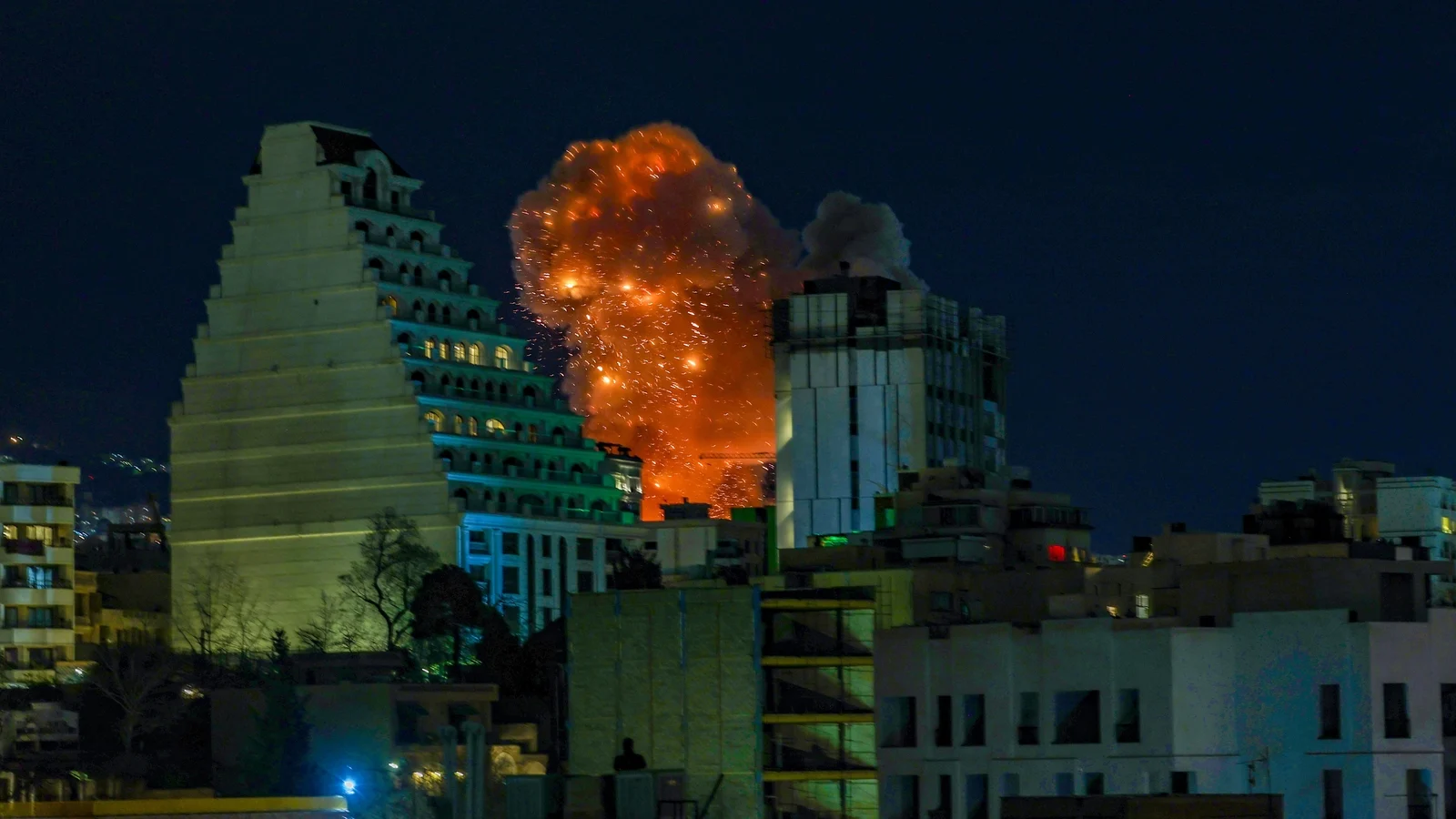
The seaside breeze in Beirut smelled like salt and smoke. Where tourists once lingered on balconies, murmuring over coffee and baklava, there were now shutters gone black and the echo of a precision strike that night ripped through a neighborhood tourists once liked to call serene.
Up the coast, in a Tehran neighborhood where vendors sell saffron and roasted chestnuts from carts, people spoke in whispers. A young teacher I met outside a pharmacy—hair pinned back, eyes rimmed red—said simply: “You can’t prepare for the sound of your city breaking.” She asked for anonymity. “No one who hasn’t been under these skies can know what the nights feel like.”
How a single week turned into a region-wide tremor
What began as a cascade of targeted raids and reprisals has unfurled into a conflict that touches capitals and airports, oil depots and family homes. Reports say Israel struck commanders meeting at a hotel in central Beirut. Iran has accused the US and Israel of hitting a fuel depot in Tehran—an assault on oil infrastructure that sent markets and nerves higher. Saudi air defenses intercepted waves of drones heading for Riyadh’s diplomatic quarter. Kuwait reported an attack on aviation fuel tanks at its international airport. Flights were disrupted. Stock indices slumped. Crude prices climbed as traders priced in risk to supply lines.
These are not isolated sparks; they are connected nodes on a web of alliances, deterrents and vulnerabilities. The Strait of Hormuz, a narrow choke point through which roughly a fifth of the world’s seaborne oil passes, has again become a strategic pressure point. Kuwait’s national oil company said it would cut crude production in the face of threats to those shipping lanes—an immediate reminder of the global stakes.
Numbers that don’t lie, even if they don’t tell everything
Iran’s health ministry has released grim figures: approximately 926 civilians killed and roughly 6,000 wounded. Independent verification in the fog of war is difficult; hospitals face disruptions, and reporting is uneven. Still, the human cost is unmistakable. Families mourn in living rooms; ambulances weave past traffic checkpoints; teachers and shopkeepers count missing neighbors as if inventorying their losses.
Voices from the ground
“We woke to the sound of glass breaking,” said Leila, a shopkeeper near Tehran’s Azadi Tower. “I ran outside and saw smoke. The city seems fragile now—like a favorite vase that could shatter with the wrong touch.”
In Beirut, Ahmed, who runs a small guesthouse a street away from the targeted hotel, picked his words carefully. “We never thought war would find the restaurants and hotels by the sea. This area used to be music and laughter. Now people ask whether they’ll ever return.”
Across the gulf, a displaced family in Kuwait told reporters how the strike on aviation fuel tanks had ruptured the ordinariness of daily life. “We couldn’t sleep for two nights,” the father said. “My child keeps asking why we can’t go to the park.”
Rhetoric, resolve and the machinery of war
On the diplomatic stage, the tone has been defiant. Political leaders have traded vows and warnings. Israel’s government has signaled plans to press its offensive “with all our force,” aiming to dismantle what it calls the leadership and command structures directing attacks across the region. Iran’s Revolutionary Guards, speaking through their channels, declared their forces capable of sustaining an “intense” campaign for up to six months at current rates of engagement, and they warned of deploying longer-range missile systems.
U.S. political attention has tightened. President Trump attended the return of six service members killed in a drone strike on a U.S. base in Kuwait, an image intended to show both grief and resolve. He also remarked on the possibility that securing enriched uranium stockpiles might eventually require boots on the ground—an escalation that analysts say would broaden the conflict’s footprint.
“Nobody wants to be the one to push this over the cliff,” said Dr. Miriam Al-Saleh, a regional security analyst in London. “But once you have strikes inside capitals, once oil infrastructure is hit, the threshold for wider intervention becomes perilously low.”
Missiles, diplomacy and the tug of global powers
Major players beyond the immediate region have reacted uneasily. China’s foreign minister called the conflict “a war that should never have happened,” warning that force without reason sets a dangerous precedent. Moscow and Beijing have maintained cautious distance, balancing their strategic ties with Tehran against the risks of direct involvement.
Analysts worry that the absence of clear diplomatic channels—backed by credible third-party mediators—has created a vacuum where military action becomes the language of choice. “When dialogue collapses, escalation fills the silence,” said Farid Nader, a former diplomat who now teaches conflict resolution. “We’re seeing a dangerous normalizing of targeted violence as policy.”
Energy and economics: why distant consumers should care
Beyond the immediate human toll, the conflict touches global supply chains. The Strait of Hormuz is not merely a geopolitical buzzword; it is the artery through which about one-fifth of the world’s seaborne oil travels. Any sustained disruption there feeds directly into pump prices, shipping costs and inflation in markets from Lagos to Los Angeles.
Energy traders and national oil companies are watching closely. Kuwait’s production adjustments are an early indicator: when producers start withdrawing barrels for safety or logistical reasons, the ripple effect is immediate for economies that rely on imported fuel.
What might come next?
There are no easy answers. Military planners in capitals weigh the risks of deeper involvement. Neighbors calculate the price of taking sides. Ordinary people brace against nights of blackout and sirens. The Revolutionary Guards’ pronouncements about future missile use, Israeli claims of near-total control of Tehran’s airspace, and the potential for U.S. ground missions—all of these scenarios expand the roster of possible futures.
So what should the international community prioritize? Humanitarian corridors, independent investigation into civilian casualties, renewed diplomatic engagement—and keeping the lifelines of commerce and energy open—are urgent steps. But will political will follow? That is the question that keeps aid workers and analysts awake at night.
Questions for the reader
How should distant nations balance strategic interests with the clear imperative to prevent civilian suffering? When infrastructure becomes a target, what safeguards must be put in place to protect hospitals, schools and water systems? And as consumers and citizens, what responsibilities do we bear when our economies are intertwined with regions at war?
There are no simple conclusions here. For now, people in Tehran and Beirut, in Riyadh and Kuwait City, are waking each day and choosing—sometimes between the banal and the brave. They are going to markets, stacking sandbags, teaching children the safest routes out of a building, making tea and remembering lost friends.
In a conflict that threatens to redraw boundaries both physical and moral, the smallest human acts—rebuilding a shattered window, sharing bread with a neighbor, refusing to let fear erase a city’s song—may matter the most.