A Quiet Relief in Cleethorpes, a Storm in Durham: The Death of Ian Huntley and the Echoes It Leaves Behind
On a grey morning in a seaside town where the gulls wheel above the promenade and the smell of fish and chips hangs in the air, a woman named Samantha felt something she had long expected but never let herself wish for out loud: relief.
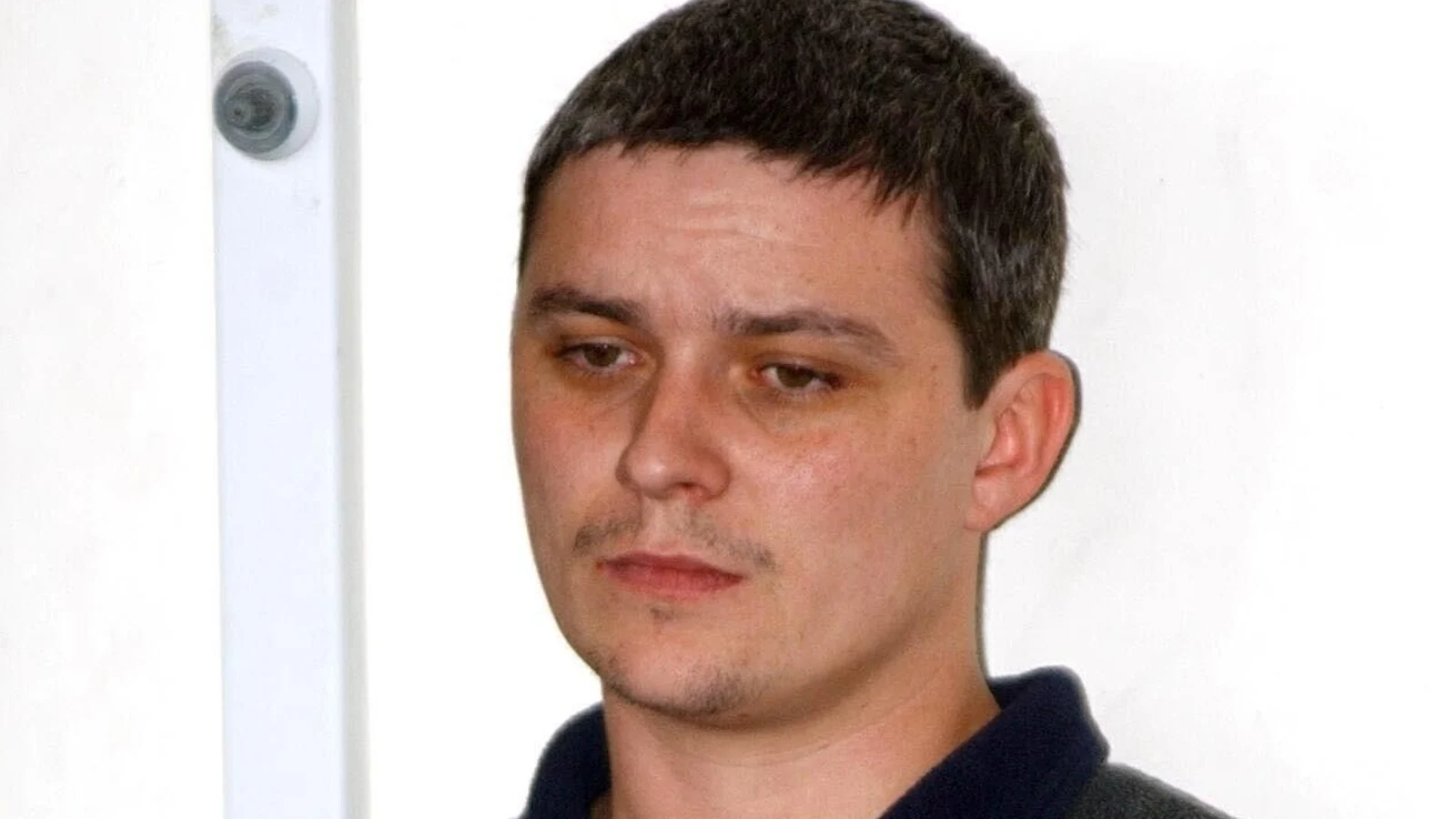
“It’s like a weight has finally lifted,” she told a reporter, her voice measured and raw at once. “I didn’t cry. I smiled. I feel safer in a way I haven’t in years.” She is the daughter of Ian Huntley, the man convicted of murdering two 10-year-old girls in Soham in 2002. The man who had lain on life support after an attack inside HMP Frankland this February was confirmed dead following tests that showed he had no meaningful brain activity.
Where the news landed
For families like hers in Cleethorpes, life long ago adapted around an impossible crime. For residents of Soham, the murder of Holly Wells and Jessica Chapman — girls who left a barbecue to buy sweets and never returned — remains an indelible wound. For the staff at HMP Frankland in County Durham, a high-security prison where inmates with the most serious convictions are held, the attack that left Huntley fatally injured has sparked an immediate investigation and renewed debate about safety behind bars.
Durham Constabulary released a succinct statement: a man attacked in the prison workshop on the morning of February 26 was taken to hospital with serious injuries and has since died. Detectives have opened a file for the Crown Prosecution Service and are continuing inquiries.
“We are treating this as a serious assault and carrying out a full investigation,” an officer said. “We will follow the evidence.”
Memory, justice, and the messy work of closure
Holly and Jessica’s names still surface in conversations in Cambridgeshire as if they never left. The children were found dead after a frantic 13-day search in August 2002 — a case that shocked the nation, transformed small-town life and reshaped public conversations around child safety and institutional trust.
Huntley was convicted at the Old Bailey in 2003 and given a life sentence with a minimum term of 40 years recommended. His former partner, Maxine Carr, who gave him a false alibi, served time and has since been given a new identity to shield her from public attention.
“Justice was served in the courts,” a local councillor in Soham told me. “But justice doesn’t erase the tremor that runs through a town when children vanish.”
Voices of the family
Samantha’s mother, Katie, described a nagging fear that had stalked their lives for years: the thought that the man who killed two children might one day be unrecognisable, walking free under a new name, or worse, seek them out. “I feared he’d come looking for us — both of us. Now I don’t have to live in fear anymore,” she said.
Her anger was immediate and uncompromising: “He shouldn’t have the dignity of a funeral and grave. I will not be going. A funeral is pointless for a man like him.” It’s a sentiment echoed by others who live near sites touched by the crime — people who feel that even the rituals reserved for the dead should not be extended to those who took the most precious things from others.
Inside the walls: prisons, violence, and questions of responsibility
Prisons are places designed to restrict and contain, but they are also communities with power dynamics, rivalries and violence. Workshops within prisons are often hubs of routine — men working at benches, the clank of metal, the rhythm of labor that keeps the machine running. It was in such a workshop that Huntley was struck, according to prison sources, by an inmate armed with a metal bar.
“An attack like this raises hard questions we have to ask about where we are failing,” said an expert in criminal justice reform. “We incarcerate people for the safety of the public, but we also have responsibilities for the safety of prisoners. When that balance breaks down, the consequences are grim and complex.”
These incidents ripple outward: there are victims behind bars, victims in the streets, and communities watching closely. The Ministry of Justice and the Prison Service routinely publish data showing fluctuations in incidents of violence, though the picture is often complicated by changes in reporting practices and prison populations. Whatever the numbers are at any given moment, each assault becomes a human story.
What the state will do next
Police say a file is being prepared for the Crown Prosecution Service. Internal prison inquiries are underway. For now, the identity of the alleged assailant has not been released publicly and officers say they will not comment further while an investigation continues.
The death also raises legal and ethical questions that sit at the intersection of criminal law and human rights. Do convicted murderers retain dignity in death? Should the families of perpetrators have a say in funeral rites? How does society balance the rights of the condemned with the long, raw needs of victims’ families? These are not rhetorical flourishes — they are debates that have practical consequences for policy and for people who live with the consequences of violence.
Small towns, long shadows
Walk the streets of Soham today and you’ll see the ordinary: school runs, garden fences, a cricket pitch. But below the ordinary is a scar. “We still check twice when kids go out,” a primary teacher in town told me. “You don’t stop living, but you learn to live differently.”
In Cleethorpes, where the family of Huntley’s daughter lives, the sea’s cadence can almost mock the permanence of grief and anger — waves that arrive and recede, leaving flotsam and the occasional bright shell. “It’s small things,” said a neighbour. “A takeaway, a trip to the pier. Ordinary days. That’s what you want to protect.”
Broader reflections
What does the death of a notorious criminal do to public memory? Does it close a chapter or complicate it? For those who lost children, the answer is neither simple nor singular. Some feel closure; others a reopening. It calls to mind broader questions about punishment, rehabilitation and the limits of the state’s power to both protect and punish.
Are we satisfied with a system that can ensure some measure of safety but not perfection? Do we demand vengeance, or do we ask for systems that prevent future harm? These are questions readers could take home with them — to the playground, to the ballot box, to dinner table conversations.
Where we go from here
For many people touched by this story, the immediate matter is practical and private: whether there will be a funeral, what happens to any remains, and whether the knowledge of his death will finally quiet the fear that has shadowed lives for decades.
For the public, and for policymakers, the case is a reminder that the criminal justice system exists within a living society — one that demands safety, asks for accountability, and often struggles to give victims the solace they seek. As one social worker in Cambridgeshire put it: “We have to keep asking how we can prevent harm without losing sight of humanity.”
What do you think? Can a single death ever heal a community? Or do we need bolder, structural changes to stop such tragedies from happening in the first place? Take a moment to sit with that question — the answer might be the start of something that lasts longer than headlines.