When the Sea Caught Fire: A Gulf in Flames and the World Holding Its Breath
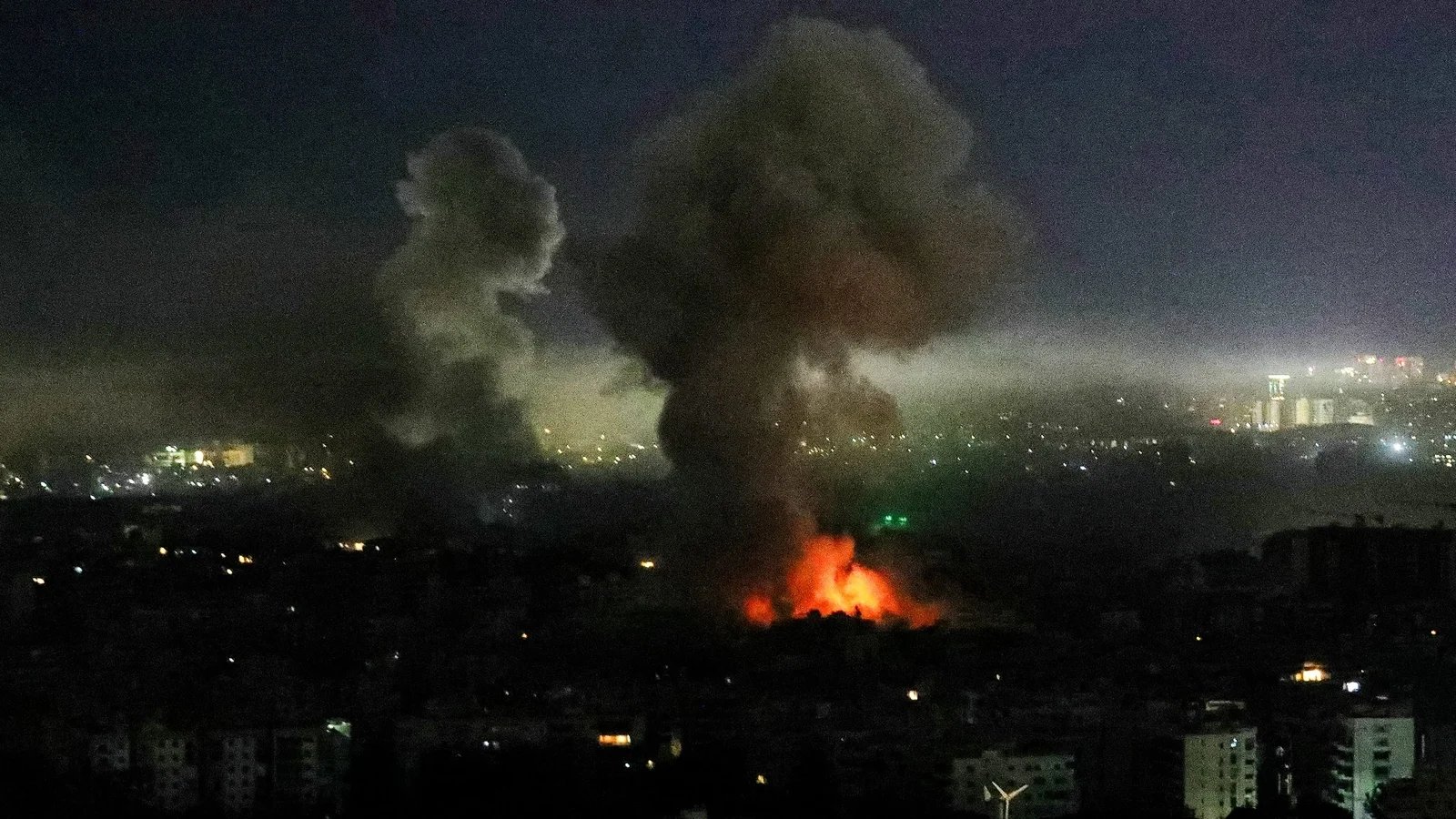
The sky above a quiet strip of water turned orange with flame, not sunset. Two oil tankers — hulks of metal that for years had simply threaded commerce through the Gulf — burned in Iraqi waters as crews scrambled, alarms screamed and a region already frayed by decades of tension felt the rope tighten around its throat.
It was not a single, isolated strike. In the space of days, attacks spread across ports, storage tanks and merchant shipping. Maritime reports and port officials described projectiles hitting three merchant vessels; rescue crews pulled survivors from blackened decks while one crew member was declared dead. Naval and security analysts described the incidents as part of an escalating campaign that has already shifted markets, politics and the daily lives of people from Basra to Bahrain.
The Fire’s Echo: Numbers and Narratives
International agencies have begun to tally the toll. The joint operation that began almost two weeks ago — air strikes attributed to US and Israeli forces — is being reported as having killed roughly 2,000 people, while UNICEF warns that more than 1,100 children have been killed or injured in the crossfire. Those figures sit like cold stones on a map that until now many in the west saw through the filter of price charts and policy briefs.
“We are watching not just ships burn, but the scaffolding of stability,” said Tony Sycamore, a market analyst at IG. “This is precisely the kind of shock that can turn a local conflict into a global economic crisis.”
Oil, Politics and the $200 Threat
Energy markets reacted before diplomats could finish their statements. The International Energy Agency — a coalition of major oil-consuming nations — recommended an unprecedented release of 400 million barrels from strategic reserves in an attempt to steady what officials called “one of the worst fuel shocks since the 1970s.” The United States then announced it would release 172 million barrels from its Strategic Petroleum Reserve.
From Tehran, the message was stark and deliberate. “Get ready for oil to be $200 a barrel,” a spokesperson for Iran’s military command warned, tying the price directly to regional security. Whether that grim prediction comes to pass depends on many variables: shipping lanes, the resilience of refining capacity, and whether markets believe the release of reserves will be a temporary balm or a structural change.
At a campaign-style rally in Kentucky, President Donald Trump declared that “the United States has won the war,” adding in a line meant for domestic audiences: “We don’t want to leave early, do we? We got to finish the job.” For voters deciding on midterm ballots, such declarations are both a promise and a provocation.
Where the World Meets a Narrow Strait
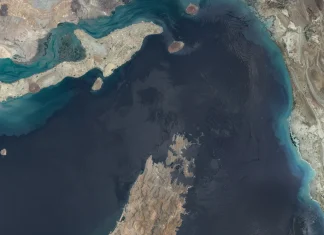
Geography has a habit of deciding history. The Strait of Hormuz — a 21-mile-wide choke point hugging the Iranian coast — funnels roughly one-fifth of the world’s seaborne oil. When boats that carry the lifeblood of global industry cannot pass, the ripple effects are immediate: higher pump prices, jittery currencies, and shipping routes that stretch around continents adding days and millions of dollars to every voyage.
Iranian authorities have warned that the Straits are “undoubtedly” under their control. The G7 has discussed escorting merchant ships as an option; in response, Tehran said such moves would be provocative. Mines have reportedly been deployed in the channel, complicating transit and putting at risk the seamen and dockworkers whose lives depend on the steady hum of commerce.
“When that water closes, everything else does too — food, medicines, wages,” said Aisha al-Salman, a fisherwoman from a small village near Basra. “We can handle storms, but not the man-made kind.”
People in the Middle of a Price Graph
Behind every barrel added to a strategic reserve is a life affected by its scarcity. Pump prices are climbing. Shipping insurers are hiking premiums. Families in port cities feel the squeeze as transportation costs ripple through markets. For hospital administrators in Basra and Muharraq, the present means preparing for a surge: fuel shortages can cripple generators, slow ambulances, and make cold storage unreliable.
In Bahrain, authorities reported an attack on fuel tanks at a facility in Muharraq, one of the island kingdom’s industrial linchpins. An interior ministry official described the strike as “targeted,” a calculated blow meant to signal reach and resolve. An aid worker in Manama, who asked not to be named for safety reasons, said, “We are moving supplies at night now. People queue for diesel as if it is a luxury.”
Voices from the Shore — Official and Otherwise
“This appears to mark a direct and forceful Iranian response to the IEA’s overnight announcement,” Sycamore observed, connecting the dots between markets and missiles. A veteran port official in Umm Qasr described the smell of burned fuel that hangs over the docks: “It smells like money burning,” he said, with a bitter laugh.
The US State Department has warned that Iran and allied militias may plan to target US-owned oil infrastructure and hotels frequented by Americans, while US military statements claim dozens of Iranian naval vessels have been neutralized in recent exchanges. Iran, in turn, has vowed to respond to threats to its ports and commercial centers by recalibrating targets across the region.
What Comes Next — A Cost Beyond Calculations
Ask yourself: how much of your life is priced in barrels? The immediate question is market stability. Will the release of strategic reserves cool prices? Can naval escorts restore safe passage through Hormuz? The longer, harder question is what this sort of conflict does to trade norms, to the rules that say a tanker should cross a channel unmolested and a child should be safe in school.
Diplomats talk about “de-escalation” and “channels of communication.” Ground-level actors — dockworkers, merchants, nurses — talk about coping. “We used to plan for the weekend,” said Karim, a truck driver in Basra. “Now we plan for whether there will be fuel.”
There are broader currents here, too: the world’s dependence on fossil fuels, the fragility of global supply chains, and the speed at which geopolitical shocks translate into daily hardship. How many times have we been shocked into this same pattern — conflict, price spike, temporary release, rinse and repeat — before reconsidering the structures that make such shocks so devastating?
Choices Ahead
- Can coordinated release of reserves truly bridge a strategic disruption, or only delay a structural reckoning?
- Will maritime escorts or mine clearance be enough to reopen Hormuz safely?
- How will communities on the Gulf shores, already resilient, be protected from a conflict that indiscriminately raises the cost of living?
There are no tidy answers. There are only people lighting lamps in blackouts, captains rerouting their ships and children whose futures have been interrupted by a war-of-sorts that began far from their playgrounds. As diplomats exchange terse statements and analysts redraw scenarios, the Gulf burns a little brighter on the world’s television screens and a lot darker in the lives of those who live there.
Watch the horizon. Ask your leaders which costs they will accept, and which they refuse. Because when sea lanes close, the consequences wash up in places you might not expect — and sometimes in people who did not make the choices that set this conflagration alight.