When Oil Diplomacy Meets a Child’s Funeral: Florida Talks and a Ukrainian Village
On a polished terrace in Florida this week, men in suits traded guarded smiles and careful phrases about oil and stability. Far away, in a small town in northern Ukraine, a mother staggered through smoke and splintered glass to find that her 15‑year‑old daughter would not come home.
That jarring contrast — the chessboard of high finance and the raw, merciless arithmetic of war — is the story behind two headlines that arrived on the same newswire: a rare meeting between Russian and American emissaries, and a Russian strike that killed a teenage girl in Menska. Together they feel like two sides of the same global coin: one side reckoning with markets and influence, the other with loss and ruin.
Who met whom — and why it matters
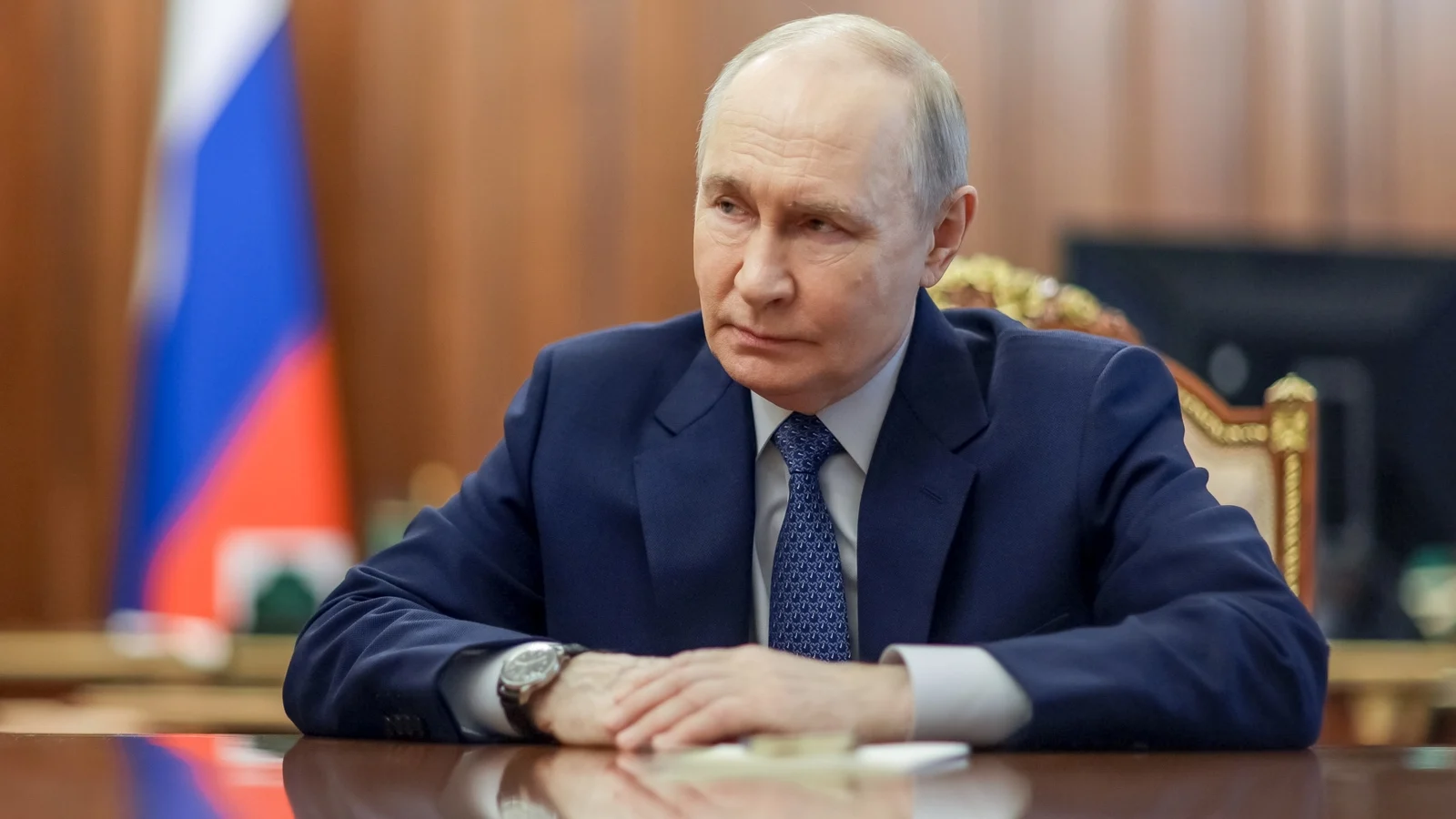
The talks in Florida brought together figures close to both capitals. Kirill Dmitriev, an envoy connected to the Kremlin, described the conversations as “productive” after meeting U.S. representatives including a presidential envoy and senior White House advisers. U.S. participants said the teams discussed a range of issues — from energy flows to the fragile architecture of post‑war diplomacy — and agreed to keep lines of communication open.
“We had a candid, businesslike exchange,” a U.S. official who asked not to be named told me. “This wasn’t theater. It was about making sure global markets don’t fracture and that there are contingency plans if conflict escalates.”
To understand why such a meeting would be staged on U.S. soil — and why it would include discussions of oil — you have to rewind to 2022, when Russia’s full‑scale invasion of Ukraine sent shockwaves through world markets and prompted a raft of sanctions aimed at choking the Kremlin’s access to hard currency. For many nations, those sanctions were, and remain, a moral and strategic lever. For markets, they have been a source of constant pressure.
Now, as war in the Middle East reopened the page on energy volatility, officials in Washington quietly eased some restrictions on Russian oil to relieve upward pressure on global prices. The move was pragmatic, and some would say uncomfortable: geopolitics and human rights have rarely sat easily beside the imperatives of keeping gasoline pumps and heating systems supplied.
“They’re beginning to see the math” — what Russia wants
“Many countries are finally recognizing the central role of Russian oil and gas in stabilizing the global economy,” Dmitriev wrote on social media after the meeting. His tone — a mix of triumph and justification — underscored Moscow’s longstanding argument that sanctions are self‑harmful to the global system.
An energy analyst in London, Dr. Leila Hassan, put it this way: “You can ideologically oppose a regime, but the world still needs hydrocarbons. When supply tightens because of conflict, every market becomes connected. U.S. policymakers are balancing sanctions policy with the real risk of price spikes that hurt consumers everywhere.”
Before the 2022 invasion, Russia was among the largest global producers of oil and natural gas — supplying a substantial slice of the world’s energy needs. While flows and buyer lists have shifted since then, the lapse of sanctions in key corridors can ripple quickly through the price chain, relieving some pressure in the short term while raising thorny questions about leverage and long‑term policy coherence.
A 15-year-old life lost in Menska
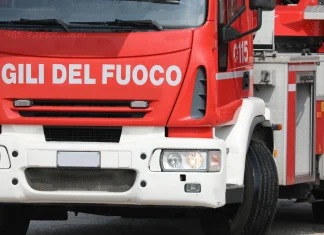
And yet, while diplomats discuss barrels and markets, families are burying children. In northern Ukraine’s Menska, emergency responders woke residents early with sirens and the smell of burning timber. Two apartment blocks were gutted by the strike, windows blown outward, walls caked with soot.
“Her name was Katya,” a neighbor said, her voice raw. “She loved to sing in the school choir. We heard the explosion and ran. There was a hole where the house had been. She was still warm. I couldn’t believe it.” Her hands trembled as she spoke.
Local officials confirmed that a 15‑year‑old girl was killed and her parents were injured. The municipal council described the attack as “cynical” — a word that threaded through social feeds and neighborhood chatter like a ribbon of disbelief.
For the people of Menska, the larger chess game of sanctions and bargaining feels distant and irrelevant. “They talk about markets in big rooms,” said a volunteer firefighter who helped pull people from rubble. “We talk about how to get hot water back and who will walk the kids to school. It is all the same war, but from different rooms.”
Diplomacy strained by a war elsewhere
These events unfolded amid wider diplomatic attempts to negotiate a three‑party deal that had been faltering even before the new violence in the Middle East. U.S. pressure to get the parties back to the table has been relentless, but the theater of conflict — whether in Gaza, Ukraine, or beyond — has a habit of derailing the very conversations meant to stop it.
“Negotiations are fragile. They are easily knocked off course by surprise escalations,” said a former peace negotiator who has served in multilateral talks. “When one crisis erupts, all attention and leverage can shift. That leaves civilians — people like the family in Menska — even more exposed.”
What should readers take from this?
There are no tidy lessons here, only tensions that tug at common sense: economic pragmatism versus moral posture; the temptation to prioritize immediate price stability over long‑term pressure on a belligerent state; the persistent gap between boardroom diplomacy and the realities on the ground in war zones.
Ask yourself: would you rather pay more for energy today in order to keep pressure on an aggressor, or stabilize prices now and risk weakening sanctions? That’s not a hypothetical for many governments; it’s a daily calculus complicated by family budgets, election cycles, and humanitarian impulses.
- Short term: easing restrictions can lower prices and avert immediate shortages.
- Long term: continued reliance on the very revenues that fund conflict raises moral and strategic questions.
People, not policy papers
In the end, this story is about people. A dozen diplomats can meet in Florida and talk about contracts and contingencies, but their words are metered against the ash and grief in Menska. A teenage choir member who loved to sing is a measure of the human cost that cannot be captured by tonnage figures or market indexes.
“We were always taught to be proud of our nation,” a teacher from Menska told me. “But now I wonder what it means to be proud when our children are being buried.” Her question is a quiet one, but it hangs heavy in the air.
If there is a way forward, it will require more than stunt meetings and temporary market fixes. It will require sustained diplomacy, honest public debate about the tradeoffs of sanctions, and renewed efforts to protect civilians. It will require asking hard questions about responsibility and resilience.
Will the lines of communication opened in Florida become a bridge to de‑escalation — or merely another corridor used when the world freezes in panic and thaws into pragmatic arrangements? Will the memory of a child in Menska become a footnote in geopolitical calculus, or a spark that reorients policy toward protecting lives first?
For now, the world watches two scenes at once: polished negotiations under the Florida sun, and a village mourning under a grey northern sky. They are undeniably connected. The choices made in the halls of power ripple outward, and they return as headlines, funerals, and the quiet, stubborn work of rebuilding what war has broken.