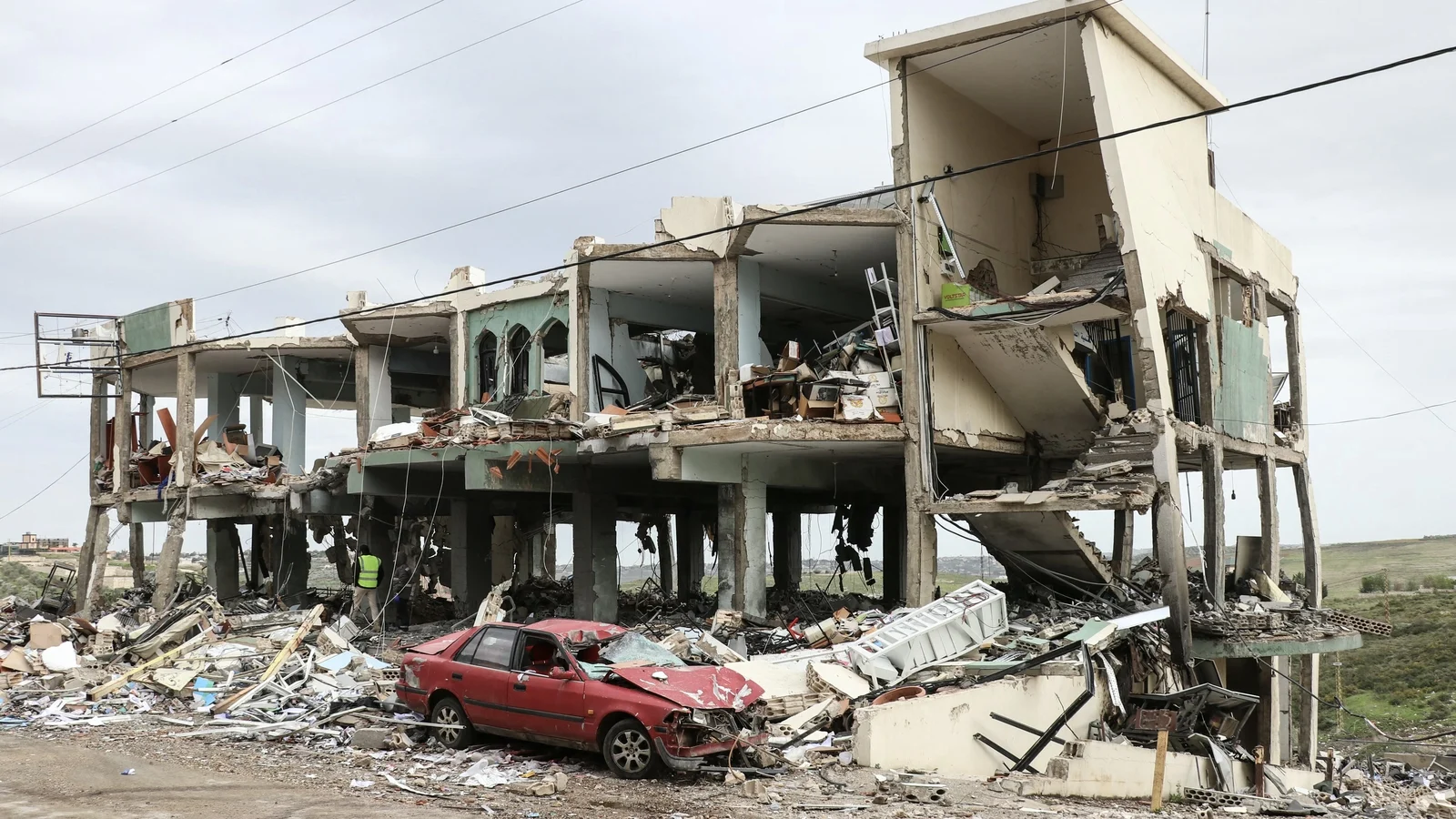
When Hospitals Become Battlegrounds: A Night in Southern Lebanon
There is a particular kind of silence that follows an airstrike: not empty, but full of the small sounds of people picking through the ruins of their routines. In Borj Qalaouiya, a sleepy town in southern Lebanon where the afternoons once smelled of lemon trees and hot bread, that silence was broken by the steady beeping of ambulances and men and women who wore blood on their sleeves and disbelief on their faces.
Lebanese health authorities say at least a dozen medical workers were killed when an airstrike struck a local healthcare centre. The victims—a mixture of EMTs, nurses and support staff—were there to tend to the wounded and to steady frightened families. “They came to help,” said Layla Haddad, a nurse from a nearby village who arrived at the scene at dawn. “They were wearing white coats. How do you attack people who are trying to save others?”
Officials in Beirut report that 26 paramedics have died since the latest round of fighting began this month—emergency responders whose job is supposed to put them beyond the line of fire. The World Health Organization has also warned that children are paying a disproportionately heavy price, noting nearly 100 fatalities among minors in Lebanon alone.
On the coast, in the city of Sidon—Saida to locals—families pulled together the pieces of another morning wrecked by violence. “My uncle was working in his shop,” said Mehieddine al-Teryaki, wiping his hands on his trousers. “When the strike came, we lost him and three others from the family. This is not war. This is killing.”
Counting the Human Toll
The numbers are blunt instruments that cannot capture the grief, but they are tracking the scale of the catastrophe. Lebanon’s health ministry places the national death toll from the conflict at several hundred since early March, with the WHO confirming nearly 100 children among those killed. Across multiple battlegrounds in the region, media and official tallies now suggest thousands of lives lost and millions uprooted.
“When you lose caregivers, you lose a thread that keeps a community together,” said Dr. Rami Kanaan, an emergency physician who coordinates medical convoys near the border. “Hospitals are more than buildings in war. They are places where people keep hope.”
Why attacks on health services matter
Beyond the immediate tragedy of lives lost, attacks on medical personnel and infrastructure hinder long-term recovery. Vaccination campaigns, maternal health services and chronic disease treatments are disrupted when clinics close or staff flee. In Lebanon, where the health system was already strained by economic crisis, the loss of even a handful of trained responders reverberates for months.
The Conflict Spreads: From Ports to Pipelines
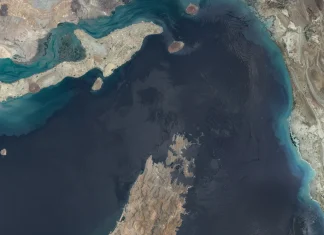
If southern Lebanon is a local wound, Kharg Island in the Persian Gulf is where the global nervous system is being jostled. The island, a linchpin in Iran’s oil export network—handling most of Tehran’s crude shipments—became a focal point after a high‑profile strike that the US described as striking dozens of military targets.
In public posts and briefings, the US president warned that oil infrastructure could be next if attacks on commercial shipping continued. “If anyone interferes with the free and safe passage of ships, I will reconsider my options,” he said, framing the Strait of Hormuz—a narrow waterway through which roughly 20% of the world’s traded oil flows—as a strategic chokepoint.
Centcom later said its forces struck more than 90 military targets on Kharg Island in a large-scale precision operation. Iranian state and semi-official outlets reported explosions and damage to military sites but, crucially for global markets, little harm to the island’s oil-handling facilities. Analysts watched the skies and the terminals closely; even small disruptions in that region can send prices spiralling.
“Markets are jittery because they know what any disruption could do,” said Sara Al-Haddad, an oil markets analyst in Dubai. “When you threaten an island that exports the majority of a country’s crude, traders price in risk instantly.”
Ripple effects across the Gulf
On the same morning that echoes of Kharg reverberated around trading floors, a fire at an energy facility near Fujairah—outside the Strait of Hormuz—forced the suspension of some oil loading operations. In Baghdad, smoke rose from the US embassy compound after a missile strike. Across the region, Iran’s Revolutionary Guard reported coordinated attacks with Hezbollah against targets in Israel, signaling an escalation that is no longer confined to a single border.
Counting Costs: People, Markets, and the Fragile Order
Two weeks into this broader confrontation, casualty figures reported by a variety of sources put the human cost in the low thousands, with most deaths in Iran but a growing toll in Lebanon and the Gulf. Several million people have fled their homes—some temporarily, others perhaps for much longer.
Even militaries are not untouched. US forces mourned the loss of six crew members when a refueller crashed in western Iraq, underscoring how accidents and collateral costs accompany combat operations.
“This is a conflict that feeds on itself,” said Professor Mark Eaton, a scholar of Middle East security at King’s College. “Every strike invites a response, and every response increases the likelihood that civilian infrastructure—energy, health, transport—gets swept up.”
Diplomacy on the Edge
In Brussels and Paris, diplomats scrambled. France’s president offered to host direct talks between Lebanon and Israel, arguing that diplomatic engagement might be the last clear path to de-escalation before larger chaos takes hold. “Everything must be done to prevent Lebanon from descending into a state of lawlessness and collapse,” he urged in a televised appeal.
Whether offers of mediation can steer the region back from the brink remains uncertain. Military leaders in Tehran and allied groups in Lebanon and elsewhere showed little sign of backing down; leaders in Washington and Tel Aviv have framed their actions as necessary to safeguard commerce and security.
What the World Should Ask Now
As you read this, think about the choices that follow each strike: the next convoy that might not arrive, the clinic that will not reopen, the child who loses a teacher or a parent. How should the international community balance the legitimate need to protect shipping lanes and national security with the imperative to shield civilians and preserve the infrastructure—medical, energy, humanitarian—that keeps societies functioning?
These are not academic questions. They are the questions of bakers in Sidon, of ambulance drivers in Borj Qalaouiya, of oil workers in Fujairah. They are the questions of families stuck at checkpoints, of diplomats in emergency rooms and of traders watching a blinking price index. The answers will determine not just the course of this war, but how the world responds the next time a regional conflict threatens global systems.
Until then, the people drawn into these frontlines—medics, fishermen, shopkeepers—wait for a moment when silence can mean rebuilding rather than the aftermath of another strike.