In Brussels, an uneasy silence: how one leader’s veto is testing Europe’s unity
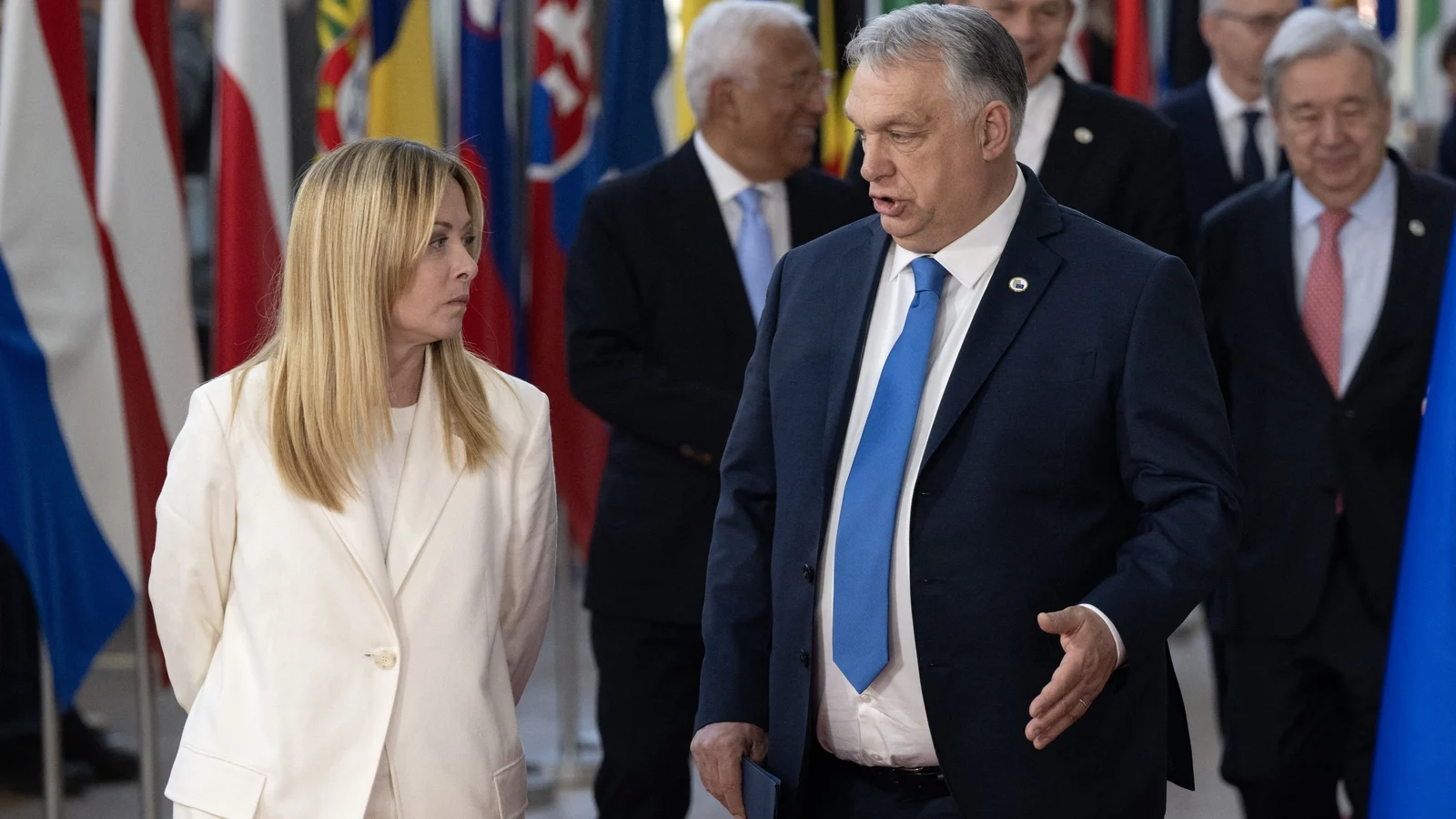
The conference hall in Brussels hummed like a beehive—flashbulbs, hurried translations, corridors lined with flags and the low thrum of dignitaries moving at speed. Yet inside that hum was a single, stubborn note of dissonance: Hungary’s Prime Minister Viktor Orbán, refusing to lift a veto that keeps a €90 billion lifeline for Ukraine trapped in limbo.
What played out at the summit was not just a row between allies. It was a drama of competing loyalties and anxieties—energy markets wobbling from shocks in the Middle East, a continent still grappling with how to support a neighbor at war, and a nationalist politician who has turned an international decision into a domestic bargaining chip on the eve of elections.
A deal unmade
Back in December, EU leaders signed off on a package that would unlock fresh loans to Kyiv—an investment plan designed to shore up Ukraine’s finances as its economy struggles under the weight of five years of conflict. But this week, Orbán halted the mechanism. He argues the bloc must address the fate of a war-damaged pipeline—the Druzhba line that once fed Russian oil westward—before he will allow disbursement.
“They pressed him hard,” said a senior EU diplomat who asked not to be named. “It was intense. But he didn’t budge.”
Other leaders were blunt. “Hungary’s veto is unacceptable,” said the Dutch prime minister at the gates of the summit. “We need to deliver this support quickly.” Finland’s leader, speaking with more edge, accused Orbán of weaponizing Ukraine for domestic politics ahead of Hungary’s election on April 12.
Some of the anger is practical: officials warn Kyiv could run short of money in a matter of weeks if the loan is not implemented. Ukraine’s public finances are under enormous strain—defence spending eats a large share of revenues, and pensions and public wages depend on foreign aid. “This isn’t charity,” Ukraine’s foreign ministry argued publicly. “This is investment in European security.”
The personal becomes political
What makes the standoff feel so personal is that Orbán had been present when the loan was agreed. To back away now has rankled partners who expect mutual decisions of the European Council to be upheld.
“He agreed to it in December,” a veteran diplomat told me over coffee near the Berlaymont building. “Then he walks it back. That shakes the Council’s credibility.”
In Budapest, campaign posters have hardened into a kind of propaganda theater. A shopkeeper in the Jewish Quarter, who gave his name only as László, shrugged when asked how people there feel about Brussels. “People are scared—about energy prices, about war, about our jobs. Viktor says he is protecting us. That’s persuasive for many,” he said. “But some friends tell me we look small when we pick these fights.”
Energy shocks and the wider chessboard
Orbán’s veto does not exist in a vacuum. On the same day the leaders convened, skirmishes in the Middle East escalated—an attack on a major Iranian gas field and a subsequent strike that affected Qatar’s Ras Laffan liquified natural gas complex, one of the world’s largest exporters. Ireland’s Taoiseach called the assault on energy infrastructure “unacceptable,” warning of long-term consequences for global markets.
As delegates filtered into the meeting room, there was a shared recognition that Europe’s economic stability is interwoven with distant conflicts. If the Strait of Hormuz is disrupted or LNG flows are constrained, prices go up and governments feel the squeeze. “We cannot say ‘this is not our war’ and then be surprised when markets punish us,” one EU energy official said.
- Ras Laffan: a vital node in global LNG supply, disruption there ripples into European prices.
- Druzhba pipeline: damaged by hostilities, now the centrepiece of Orbán’s demands.
- €90 billion: the size of the package awaiting release to Ukraine, agreed in December.
“Energy and geopolitics blur together,” observed Dr. María Hernández, a European energy analyst. “An attack on a gas field in the Gulf can mean higher bills in Prague and pensions delayed in Kyiv. It’s all connected.”
What’s at stake for ordinary people
For citizens across Europe and beyond, the arguments in Brussels translate into very tangible anxieties: will fuel bills spike again? Will aid payments stop for Ukrainian civil servants? Will the solidarity that once bound the EU fray into transactional politics?
“I get texts from my grandmother in Kharkiv asking if the electricity will come this winter,” said a Kyiv aid worker who asked to remain anonymous. “We’re not asking for handouts. We’re asking for predictability—so people can pay rent and keep the lights on.”
Analysts warn that without the new loans, Kyiv could be forced into painful austerity: cutting social services, delaying salaries, even printing money—moves that risk inflationary shocks and social unrest in a country already under siege.
Questions that outlive a summit
What happened in Brussels raises bigger questions about Europe’s capacity for collective action. How do you manage a union of 27 nations when a single leader can put a multinational lifeline on hold? Is the European project resilient enough to absorb domestic politics that spill into foreign policy?
“This is not just a budget fight,” said Anna Kowalski, a political scientist at a Warsaw think tank. “This is a test of multilateralism in an era of populism. If the EU lets this pass, it sets a precedent: national campaigns can hijack continental commitments.”
And it raises a question for citizens as well: how much patience should national electorates have with leaders who leverage international crises for votes? If a prime minister’s tactics secure short-term domestic gains, what is the cost to the country’s standing and the region’s stability?
Where do we go from here?
Leaders at the summit floated a grim possibility: waiting until after Hungary’s election to move forward. Others warned that delays will have real human costs. The consensus, if one can be called that, was uneasy resolve—Europe must shore up its defences, its diplomacy, and its mechanisms for ensuring that collective decisions are respected.
“We need a better way to manage these impasses,” said a veteran ambassador. “Because when the chips are down, not just money but credibility is at stake.”
If Brussels felt like a pressure cooker this week, it is because the continent is negotiating more than policy. It is negotiating the future of its politics: whether solidarity will be flexible and durable enough to weather domestic storms, or whether narrow national interests will chip away at the scaffolding of a common project.
So I ask you, the reader, wherever you are: when alliances wobble, who pays the price—and what would you be willing to sacrifice to keep them standing?