Smoke over the city: a morning in Tehran that will not be forgotten
They say the city wakes slowly — Persian tea, the clatter of samovars, the steady hum of minibuses threading through narrow streets — but on the day the sky turned hard and metallic over Tehran, the usual rhythms were shattered in a few jagged minutes.
In a cramped bakery off Shariati Avenue, where the scent of hot sangak and cardamom hangs in the air, a woman named Leila wrapped her hands around a paper cup and stared at a television bolted to the wall. “I have sold bread through sanctions, through blackouts, through cold winters,” she told me, voice low. “But when the sirens went, it felt like the past caught up with us all at once.”
Whether you are an investor in London watching commodities screens, a student in New Delhi checking the headlines between lectures, or an aunt in Sydney calling relatives to make sure they are safe, the images that followed are the kind that lodge under your skin: anti-aircraft flashes over a capital, neighborhoods carpeted in siren-wail light, and a leader’s defiant words broadcast to households across the nation.
A leader’s message, a city’s fear
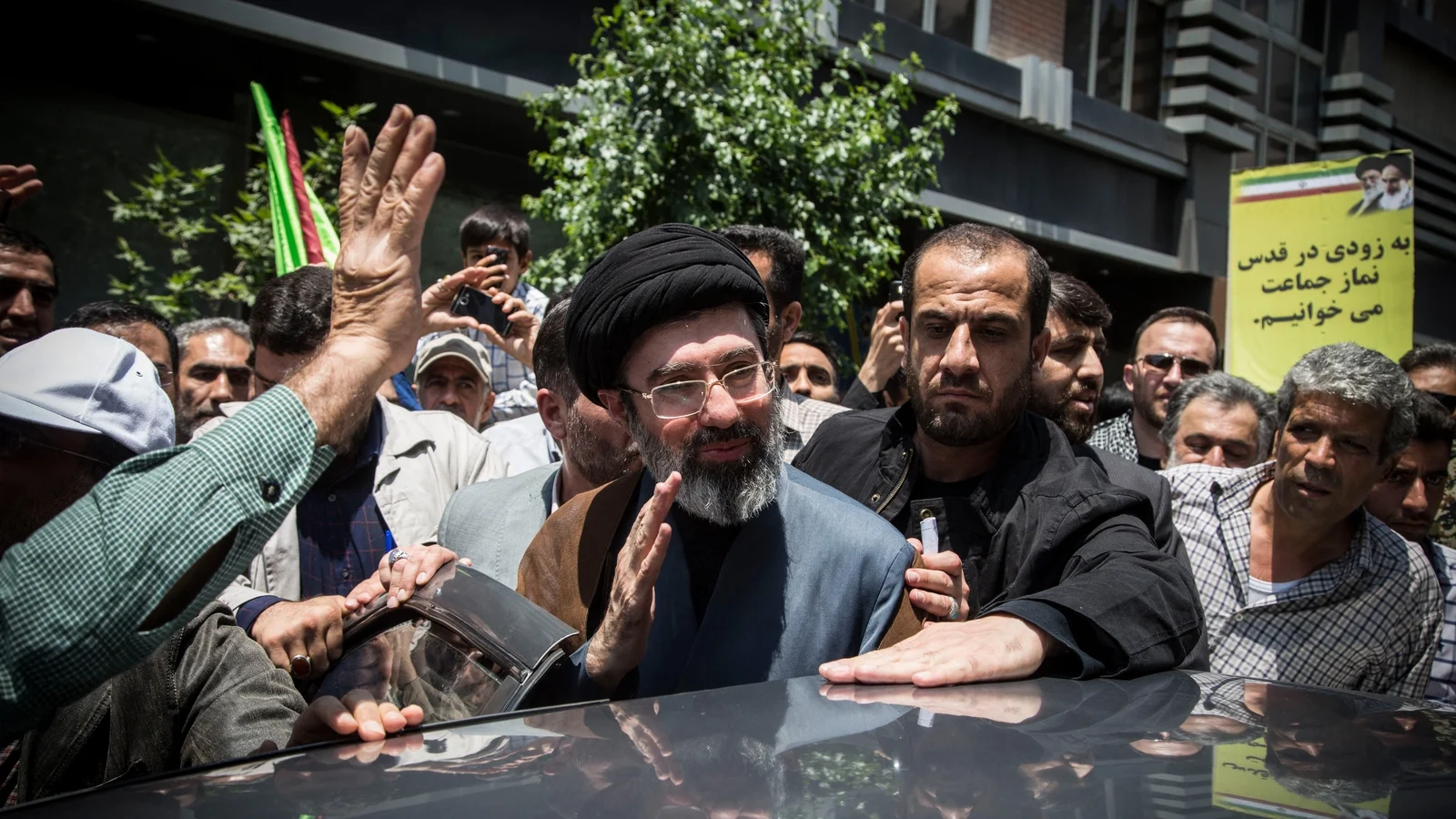
Late in the afternoon, Iran’s supreme leader addressed the nation, a rare televised appearance that seemed to bind together grief, pride and a sharp note of triumph. “The enemy has been defeated,” his words rang out — a phrase heavy with history and significance.
To some that declaration was balm. “We have endured a century of interference,” said Mohammad, a retired schoolteacher in northern Tehran. “When I heard that line, I felt something tighten and then loosen — like breath after being underwater.”
To others the speech was a warning, a signal that the conflict was not limited to military strikes but entwined with identity, memory and politics. “Defeat in this language is not just about loss of weapons or territory,” an Iranian journalist explained. “It is a way of framing resilience — and it’s meant to remind people who their leaders are and what they must defend.”
The strikes and their wider meaning
According to officials and witnesses, the recent attacks — which reportedly struck infrastructure in and around Tehran — represented a new phase in a long-running confrontation. For decades the region has seen proxy battles, cyber operations, and shadow campaigns. But strikes that touch a capital are different: they force everyday citizens to register a conflict that many had previously perceived as remote.
“This is a strategic shock,” said a military analyst who asked to speak off the record. “Striking a capital is intended to change perceptions of vulnerability. It is signaling — to Tehran’s government, to allies, and to rivals — that certain lines are being redrawn.”
Globally, markets reacted. Energy traders and analysts quickly pointed to the potential consequences for supplies and prices. Iran sits atop one of the world’s most significant natural gas reserves — a vital resource not only for domestic electricity and industry but also for regional energy markets. Any sustained damage to pipelines or processing facilities could ripple beyond the immediate theater, tightening supplies and driving up costs for households and businesses worldwide.
Energy at stake
Iran is home to some of the world’s largest proven natural gas reserves and has long been a major supplier for the region. Even a short disruption can have outsized effects on economies already jittery about inflation, supply chains, and geopolitical risk.
“People often forget that conflicts over territory are also conflicts over energy,” said an economist specializing in Middle Eastern energy. “When infrastructure is targeted, it’s not just a military objective; it’s a lever that affects everything from heating bills in distant apartments to shipping and investment decisions in global markets.”
Voices from the street: fear, resolve, and everyday life
Walking through the bazaars of Tehran the next morning, the city felt oddly both normal and raw. Shopkeepers swept dust from rugs once heaped with prayer mats. A mother coaxed a toddler away from a display of miniature flags. Conversations moved between practicalities — “Is the bakery open?” “Can we get petrol?” — and existential questions.
An Iranian nurse working long shifts at a central hospital described the scene in blunt terms. “We treat burns and panic first. Political speeches don’t heal a child’s wounds,” she said. “People want water, medicine, and a sense that they won’t be made to pay for decisions they had no hand in.”
Still, there were moments of tenderness. In one alley, a group of neighbors shared samosas and tea after alert sirens had subsided, their laughter fragile, a kind of resistance. “You keep making tea, you keep talking, you keep living,” a young man said. “That’s how we fight too.”
International reactions and the fragile choreography of restraint
Beyond Tehran’s borders, the incident prompted an outpouring of diplomatic concern. Ambassadors and foreign ministers issued calls for calm, urging all parties to avoid escalation. A growing chorus of analysts warned that spirals of retaliation — strikes followed by counterstrikes — could draw in regional and extra-regional powers, with consequences that would be difficult to contain.
“The calculus for escalation is complex,” a policy researcher observed. “Every actor balances domestic politics, military capability, and international opinion. But what looks like deterrence to one side can look like provocation to another. The risk is cumulative: miscalculation at one point begets countermeasures at another.”
There were also calls to consider humanitarian consequences. Humanitarian organizations and local volunteers scrambled to assess needs and deliver aid, from temporary shelters to medical supplies. The images that often get lost in high-level diplomacy — a grandmother wrapped in a blanket in a school gym, a volunteer carrying bottled water down a stairwell — returned to the foreground.
Why this matters to you — and to the world
Conflict in one part of the world rarely stays neatly contained. Energy markets flex, refugee flows shift, insurance premiums rise, and political leaders everywhere must answer hard questions about alliances and priorities. For ordinary people, the stakes are both immediate and intimate: safety, livelihood, and the right to live without fear.
Ask yourself: when distant events reach our living rooms via screens and feeds, how do we respond? With headlines and outrage? With donations and organization? With careful curiosity that refuses to reduce people to statistics?
Where do we go from here?
The path forward will depend on the choices of leaders, the resilience of institutions, and the everyday acts of solidarity that stitch communities together. De-escalation will require concessions, credible guarantees, and honest conversations — across borders, within societies, and among those powerful enough to shape outcomes.
Back in Tehran, the bakery on Shariati Avenue reopened the next morning. Leila stood behind the counter, hands dusted with flour. “We keep baking,” she said simply. “Maybe that sounds small under the smoke of war. But it is not. Life is always the first and last resistance.”
As readers far and wide, we must decide how closely we watch, how loudly we call for restraint, and how urgently we support the fragile work of peace. The city with the fresh bread and the singed rooftop is asking for more than our headlines — it is asking for our understanding, our patience, and our humanity.