Beirut at Dawn: A City Woken by the Rattle of War
The morning arrived like a complaint—low, unexpected, shaking glass and waking children from sleep. In the first pale light, explosions bloomed across Beirut’s skyline, turning ordinary rooftops into silhouettes of sudden danger. This was not a slow-burn escalation; it was the thunder of strikes that came with warnings and evacuations, and the tremor of a conflict spilling once again into Lebanon’s capital.
Shortly before dawn, Israel announced a series of strikes it said were aimed at Hezbollah targets across Beirut. “We are striking Hezbollah operational sites in the city,” read a brief military statement that rippled through local social feeds and international bulletins. Residents in the southern suburbs—neighborhoods long identified as Hezbollah strongholds—recounted messages from the military telling them to evacuate immediately. Sirens wailed; families gathered whatever they could carry.
Street-Level Fear and Small Acts of Courage
On the narrow streets of the southern suburbs, the scent of jasmine and frying zaatar was cut by the metallic tang of smoke. Shopkeepers shrouded their goods. A woman in a black headscarf, clutching a plastic bag of bread, told me: “We’ve lived through nights like this before. You learn to move fast—your life becomes a practice in small decisions.”
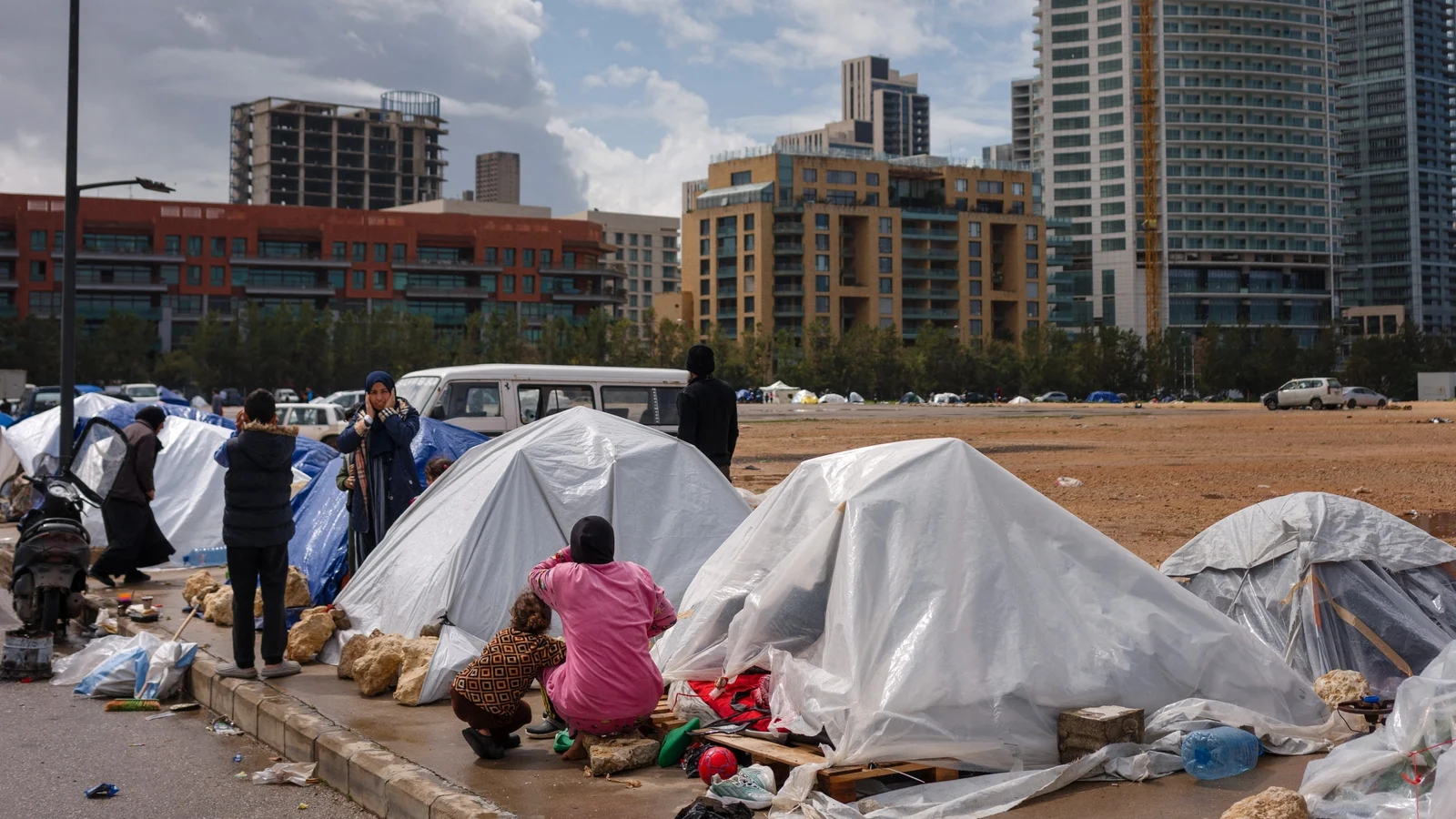
Across the city, neighbors opened doors to those fleeing. “We put mattresses on the floor, boiled water, made tea,” said a volunteer who declined to give her name. “You don’t have time for politics at four in the morning. You just make room.” These are the intimate, human moments that the news photos rarely show: elderly men being helped down stairs, a child given a stuffed toy by a stranger, a mosque’s courtyard transformed into a temporary shelter.
How We Got Here
The violence is part of a broader escalation that has pulled Lebanon into a wider regional conflagration. Hezbollah, the Iran-backed militant group and powerful political force in Lebanon, said earlier in March that it had launched rockets toward Israel, marking a significant intensification of hostilities along the porous northern border. Israel, in turn, has carried out strikes across southern Lebanon and, according to local reports, inserted ground units into the south in recent weeks.
Near the border, in towns like Ghandouriyeh, the toll of the conflict landed with lethal specificity. State media reported that an airstrike hit a house there, killing at least one person and wounding others. Overnight strikes were also reported in Tyre and Naqoura—coastal and border towns that have seen their streets emptied and their economies shuttered by the violence.
The Human Cost—Numbers, Names, and Grief
Numbers can feel abstract until they become faces. Lebanon’s health ministry says that the fighting has killed more than 1,000 people in the country and displaced over a million—an enormous number in a nation of roughly six million people, many of whom were already living with economic hardship and a precarious infrastructure.
“We are seeing entire communities uprooted overnight,” said an aid worker who has been coordinating relief in the Bekaa Valley. “Displacement doesn’t just mean leaving a house. It means losing access to medicine, to livelihoods, to schools.” Global humanitarian agencies warn that winter supplies, medical kits, and clean water are all in rapidly dwindling supply as the humanitarian system strains under sudden demand.
On the Israeli side, the military confirmed the deaths of two soldiers in operations near the southern border. Families in northern towns have become used to the rhythm of sirens, shelters, and the jolt of incoming rockets. “You teach your children to run to the safe room,” said an Israeli mother in a border community. “You never expected your telephone to become the most important thing in your house.”
Voices from the Ground
Not all voices carry equal weight on the international stage, but their words hold the truth of daily life. A schoolteacher from Tyre described waking students to scramble for safety: “They think the school trip is an adventure,” she said, managing a weary laugh. “The adventure is leaving their books and running into the street.”
A Hezbollah spokesman, speaking on local media, described strikes as a response to what the group views as ongoing Israeli aggression. An Israeli official, speaking to international press, framed the operations as necessary to degrade armed capabilities that pose an existential threat. Meanwhile, a Beirut-based doctor said simply: “We patch wounds regardless of politics. That’s the only way we keep our humanity.”
Diplomacy on the Edge
Amid the smoke and rubble, diplomats are trying to glue together pauses in the fighting. A U.S. diplomat in Beirut voiced support for a Lebanese president’s initiative to explore a truce, telling reporters that “matters are rarely solved without talking.” Yet the diplomat added a caveat: “I don’t see Israel stopping its strikes right now.” The dynamic is as fragile as it is urgent—on offer is conversation, but the ground reality remains a barrage of rockets and bombs.
Regional powers have eyes on this conflict, each weighing options and consequences. For countries already juggling economic crises, refugee flows, and sectarian tensions, the fear is that a local flare-up could widen into a proxy battleground with broader repercussions across the Middle East.
Why This Matters Beyond the Region
Why should a reader in Accra, São Paulo, or Seoul care about Beirut tonight? Because this is part of a global pattern: urban warfare, the politicization of militias, and the erosion of civilian protections. It is also about the making and unmaking of communities—people displaced within their own country, small businesses destroyed, children’s schooling interrupted, and long-term trauma inflicted on a generation.
Think of it this way: conflicts that begin in one place ripple outward—fueling migration, driving up global energy prices, reshaping alliances, and compelling international institutions to act. The choices made in diplomatic back rooms today will affect migration routes, humanitarian budgets, and the shape of regional stability for years to come.
What Comes Next—and What We Can Do
The near-term future is foggy. Ceasefire proposals will be floated; international mediators will try to broker pauses; and military planners will jockey for advantage. But beyond the geopolitics are practical calls to action:
- Humanitarian access must be guaranteed, so displaced families can receive food, water, and medical care.
- Communication channels should remain open for ceasefire talks to avoid further civilian casualties.
- Regional and international actors must prioritize de-escalation to prevent the spillover of violence.
For readers thinking, “What can I do?” consider supporting reputable humanitarian organizations that are operating in Lebanon and neighboring areas, pressuring elected officials for diplomatic engagement, and staying informed through reliable, on-the-ground reporting.
Closing Thoughts
Beirut is many things at once: a city of poets and grocers, of sea and stubborn cedar, a place where coffee is a ritual and grief is shared. In times of war, those small rituals become acts of resistance—neighbors sharing space, doctors tending without question, families handing over the keys to their apartments to strangers in need.
As night falls and the city counts its losses and its blessings, one question remains urgent: can the world move from reactive headlines to sustained, thoughtful action that saves lives and rebuilds trust? It is a question that demands not only policy answers, but human ones. Who, at the end of the day, will carry these communities forward?