A Pause on the Edge: Ten Days that Could Change Everything
There is an odd stillness along the waterfronts of the Gulf tonight, the kind that comes after a storm’s last thunderclap and before people decide whether to return to their roofs. President Donald Trump has announced a ten-day freeze on threatened strikes against Iranian energy infrastructure — a reprieve, he says, while “talks are going very well.” The offer reads like a punctuation mark in a sentence that began with explosions: a four‑week war that has spread across the Middle East, left thousands dead, and rattled an already fragile global economy.
Whether this pause is a genuine pathway to de‑escalation or simply a tactical breath remains unclear. From Tehran to Tel Aviv, from the tanker decks threading the Strait of Hormuz to the trading floors of New York, every actor is watching those ten days like a countdown clock.
Voices from the Ground
“We hear the jets at night and the children wake up,” said Leila, a schoolteacher in Shiraz who asked that her full name not be used for safety reasons. “But electricity is what keeps the wells and hospitals running. If power goes, the cost is measured not in barrels but in lives.”
In Tel Aviv, Eliav, a small‑business owner whose café took a direct hit from a rocket fragment, spoke with a weary, brittle humor. “It’s funny. You plan for festivals, not for finding your shop window blown out by a missile. Customers still come — they need coffee. They need normal.”
Analysts and diplomats have offered more clinical appraisals. “This is a negotiation under fire,” said Dr. Miriam Khalil, a Middle East analyst with two decades of experience. “Both sides are signalling with kinetic and diplomatic tools at once. The pause buys time for mediators to shuttle proposals, but it also gives both capitals space to rearm and recalibrate.”
Local Color and Human Detail
On the docks of Bandar Abbas fishermen mend nets under the shadow of sand‑colored watchtowers. In Beirut’s southern suburbs, the scent of fried falafel mingled with the dust of recent blasts; children jump rope beside shell‑damaged stoops. In Qom, a marketplace vendor still warns tourists in generous, practiced hospitality: “Tea? Sit. We talk. We will be okay.” Such small rituals of endurance are threaded through a region in which daily survival has become an act of defiance.
What the Pause Means — and What It Doesn’t
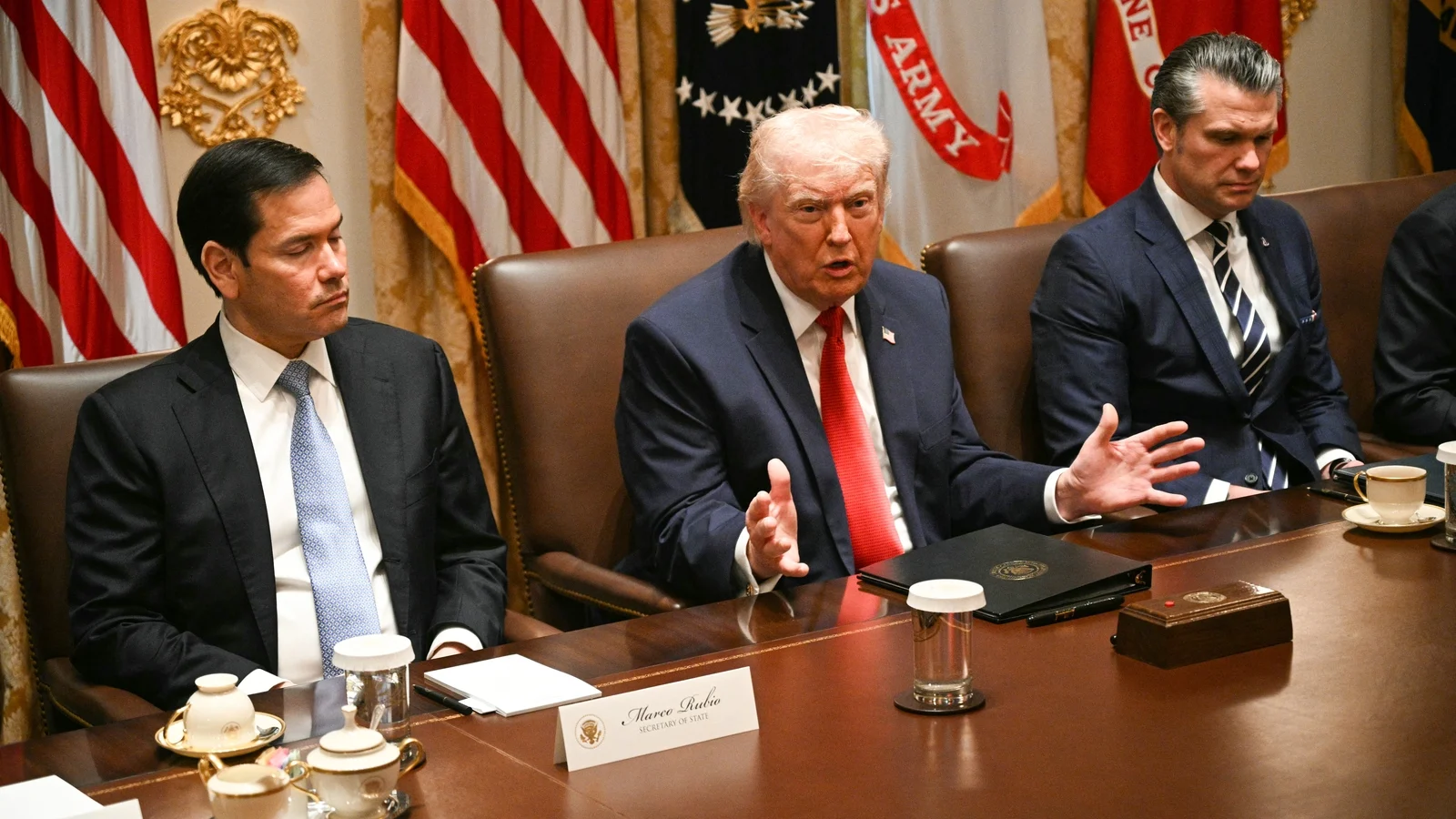
Mr. Trump’s announcement — posted on Truth Social after a cabinet meeting and later discussed on Fox News — extended an earlier five‑day halt to strikes. He claimed the Iranians requested a shorter pause and hinted that America’s patience is not infinite, warning that the United States could become “Iran’s worst nightmare” if Tehran refuses to comply. He even floated the option of taking control of Iranian oil, though he gave no operational details.
Tehran, meanwhile, has been publicly scornful of some diplomatic overtures. Iranian officials told mediators that a 15‑point US proposal, delivered via Pakistan, served chiefly US and Israeli interests and was unacceptable. Tehran wants guarantees against future attacks, compensation for losses, and a say in the security of the Strait of Hormuz — demands that diplomats say complicate any swift settlement.
Strait of Hormuz: A Choke Point with Global Ripples
Two lanes of steel and salt separate regional ambition from global markets. In peacetime roughly 20% of the world’s crude oil and liquefied natural gas flows through the Strait of Hormuz. When war flares, that artery spasms. Shipping lanes have been disrupted, crude prices have climbed roughly 40% since the outbreak of hostilities, and benchmark Brent crude has traded north of $105 a barrel as traders price in risk.
“A plugging of Hormuz is not a local matter,” said Javier Ortega, an energy economist in Madrid. “It translates into higher fuel costs, higher fertilizer prices, and — for vulnerable populations — higher food insecurity. The multiplier effects of an energy shock are immediate and global.”
Markets, Food, and the Invisible Costs
Financial markets have responded with a mixture of fear and adjustment. The Nasdaq recently slipped more than 2%, officially marking a correction for technology stocks. Fertilizer prices, particularly nitrogen‑based products critical to global food production, have surged by approximately 50% in recent weeks, pushing up costs for growers and, eventually, grocery shelves.
Liquefied natural gas prices have also spiked, straining energy budgets in Europe and Asia. Economists warn that inflationary pressure from energy and food could roll through economies large and small, hitting the poorest hardest. “This war is not only about territory or pride,” said Dr. Khalil. “It is about access to water, heat, and the ability to feed a family.”
diplomacy under strain: who’s at the table?
Officially, the United States says it is talking indirectly with Tehran through intermediaries. Pakistan’s foreign minister confirmed “indirect talks” routed through Islamabad; Turkey, Egypt and other regional players are said to be mediating. Iran, however, has denied direct negotiations with the US and described the 15‑point proposal as skewed toward American and Israeli aims.
Reports — including by the Wall Street Journal — suggest the Pentagon is weighing a potential deployment of up to 10,000 additional ground troops to the region, a move that would mark a significant escalation if it proceeds. The Pentagon has also acknowledged deploying uncrewed drone speedboats for patrolling duties, a first in active combat operations.
What mediators say
“Nobody wants an open ended ground war,” a senior European diplomat told me on condition of anonymity. “But people also want certainty: guarantees that their seaports will open, that power plants be spared, that civilians are protected. Those are not small asks.”
Scenarios and Stakes: Why This Matters to You
Ask yourself: how would a sustained disruption to oil and gas exports change your household budget? How resilient are supply chains that feed your city? The conflict’s reverberations map onto global themes — the fragility of supply networks, the geopolitics of energy, and the human costs of modern warfare. It also raises questions about the rules‑based order: can indirect diplomacy and multilateral pressure outwork kinetic force?
- Immediate humanitarian toll: thousands killed and many more displaced across multiple countries.
- Economic shock: crude up ~40%, fertilizer prices up ~50%, Brent above $105/barrel.
- Strategic risk: ~20% of global oil and LNG passes through Hormuz in peacetime.
Where Do We Go from Here?
The ten‑day pause is both a fragile truce and a test. It will reveal whether mediators can craft a deal that addresses Iran’s security concerns and the coalition’s demands — and whether local actors, from militias to merchant captains, will observe the lull. It will also show whether the international community can translate economic leverage and diplomatic channels into sustainable de‑escalation.
“This is a moment for cooler heads,” said an aid worker in Beirut. “Not because we want to invite impunity, but because every day of bombing makes rebuilding much harder.”
In the coming days, watch where tankers steer, listen to statements from Tehran and Washington, and watch markets calibrate risk. But also look for the quieter signs: hospital generators humming, bakeries reopening at dawn, children returning to school — the small measures of whether a city, and a region, can still stitch itself back together.
What would you do if your water or power were cut for a week? For a month? This conflict forces that question on millions of people, and on all of us indirectly, through prices at the pump and food at the table. In the end, the true cost of this war may be measured less in geopolitics than in daily things: a bottle of milk, a warm home, a child’s education.