When a Waterway Stops, the World Sways: Voices from the Strait of Hormuz and the Halls of Power
The sea off southern Iran has always felt like a throat the world leans on—narrow, strategic, and full of passage. These days that throat feels clogged. Tankers idle like patient beasts; freighters slalom around empty lanes; the radios of cargo ships crackle with a nervous hush. Along the quays, men who have spent their lives reading the sky and the tide watch headlines on small televisions and shake their heads.
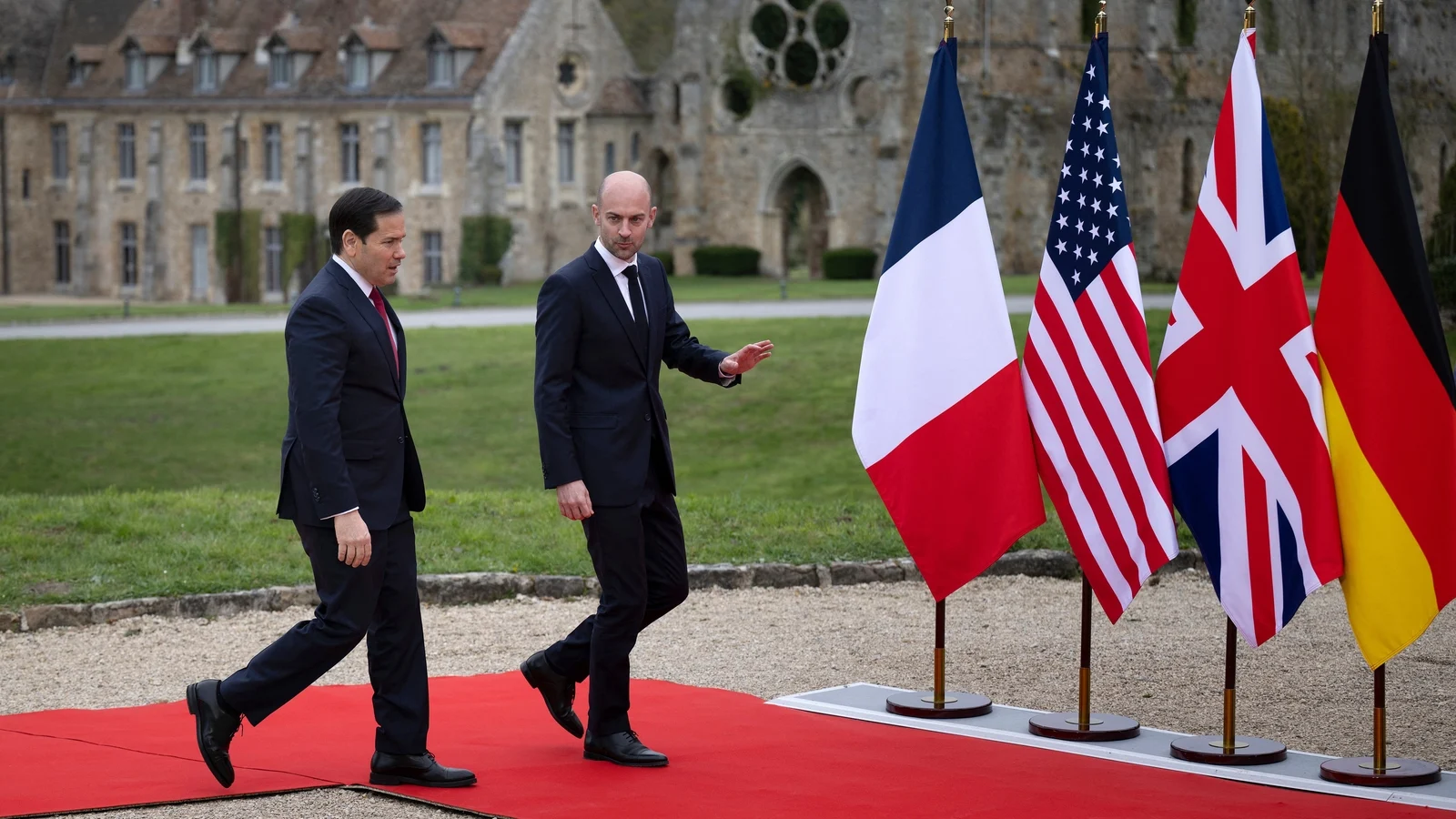
It was against that backdrop that G7 foreign ministers gathered near Paris, and Washington’s Senator Marco Rubio boarded a flight to France. His message was simple and blunt: reopening the Strait of Hormuz is in everyone’s interest. “It’s in their interest to help,” he told reporters shortly before the talks. For Rubio—traveling abroad for the first time since airstrikes were launched on Iran on February 28—the stakes were both personal and geopolitical.
From Portside Murmurs to Global Markets
Walk a few yards from the water in Bandar Abbas or along the narrow lanes of Hormuz Island and you find a different currency of concern: the texture of daily life. Fishmongers complain of missed catches because shipping traffic has shifted; small cargo operators face delayed payments; the smell of diesel is sharper as tugboats circle waiting for clearance. A composite of conversations with port workers, fishermen and small export traders paints a picture of anxiety rather than panic.
“We are used to a busy harbor,” a longtime dockworker explained in a tone that mixed pride with worry. “When the ships sit, everyone feels it—food vendors, mechanics, even the children who used to wave at the crew.”
The wider market feels it, too. The Strait of Hormuz is more than a local thoroughfare; in peacetime roughly a fifth of the world’s crude oil and liquefied natural gas passes through its waters. That translates—very roughly—into around 20 million barrels of oil equivalent per day coursing past those narrow shipping lanes in calmer times, a figure that helps explain why the international reaction has been so urgent. Disruption here ripples into energy prices, supply chains and political calculations from Tokyo to Rome, from New York to New Delhi.
Diplomatic Tightropes and Intermediaries
In Paris, the G7 ministers did not reach for sabers; they reached for diplomacy. Britain, Canada, France, Germany, Italy and Japan signaled a preference for a negotiated de-escalation even as military posturing intensified in other quarters. Sanders of foreign ministers expressed hope that diplomatic channels—formal and informal—could reopen the waterway without further violence.
Rubio, while refraining from promising an imminent resolution, said progress had been made through intermediaries. “There are intermediary countries that are passing messages, and progress has been made,” he said, calling it an “ongoing process.” The idea of third-party mediators—states or back-channel envoys able to carry messages between Tehran and Western capitals—recurs in crises like this, and often they are the quiet engines of de-escalation.
“Diplomacy doesn’t always look like a press conference,” noted an independent analyst who studies maritime chokepoints. “It looks like couriers and coded messages, and sometimes very small concessions that never make headlines.”
Pressure, Pride, and Power Plays
At home in the United States, President Donald Trump framed the situation in terms of leverage and resolve. He told a cabinet meeting that Tehran might be more anxious to strike a deal than Washington was, and that military operations had been proceeding ahead of schedule. His comments underscored two realities: military actions alter the bargaining environment quickly, and political leaders will often translate that tactical leverage into strategic rhetoric.
Rubio also suggested that allies should recognize the wider impact of the U.S.-led actions. “The president is not just doing a favour to the United States and to our people. This is for the world,” he said, presenting the offensive as a global public good rather than a narrow national initiative.
But rhetoric and reality are not the same. Beyond the statements of ministers and senators, there’s a practical question on the water: how to secure a chokepoint that sits between Iran and Oman, a narrow corridor where the distance between the two shores can be measured in minutes. The complexity is logistical and legal as much as it is political. Who escorts the ships? Under whose flag do they transit? How are commercial insurers and banks going to price risk?
Local Lives, Global Consequences
Back on the shore, the people who live closest to the Strait measure the crisis in livelihoods. The owner of a small shipping agency described the domino effect: delayed cargoes mean late payments for suppliers, which cascades into layoffs. A local grocer in a port town noted a rise in prices as transport costs climb—nothing dramatic yet, but enough to erode margins for families already living modestly.
“None of us want war,” a teacher in Qeshm said. “We want food in the market and children to go to school.” That sentiment—simple, human—reminds us that international flashpoints are not abstract chessboards but places where ordinary people carry the consequences.
What Comes Next?
France, which holds the rotating G7 presidency, has framed its stewardship as both urgent and cautious. The challenge for the international community is to turn the partial progress Rubio described into a durable reopening of the Strait without fueling a broader conflict. That requires not just pressure but incentives: security guarantees for commercial shipping, clear rules of engagement, and a diplomatic architecture that gives all parties a face-saving way out.
Is the world ready for that kind of patient, multilateral work? Or will short-term tactical gains—real or perceived—lead to long-term instability? As much as leaders on the global stage posture and plan, the ultimate test will be whether measures on the ground allow the pulley of global trade to spin freely again.
These are the questions that ripple from a narrow channel of water into homes, markets and capitals across the planet. For the sailors waiting for clearance, for the dockworker watching a ship’s flag, for the minister in Paris, and for the ordinary citizen paying slightly higher prices at the pump, the answer matters deeply.
So I ask you: when a single stretch of water can tilt the balance of economies and lives, what are we as a global community willing to do to protect the arteries of peace and commerce? The Strait of Hormuz may be a sliver on the map, but the decisions made today will be felt around the world tomorrow.