The Quiet Exit: How One Cabinet Resignation Revealed a Bigger Strain on Power, Trust and Workplaces in Washington
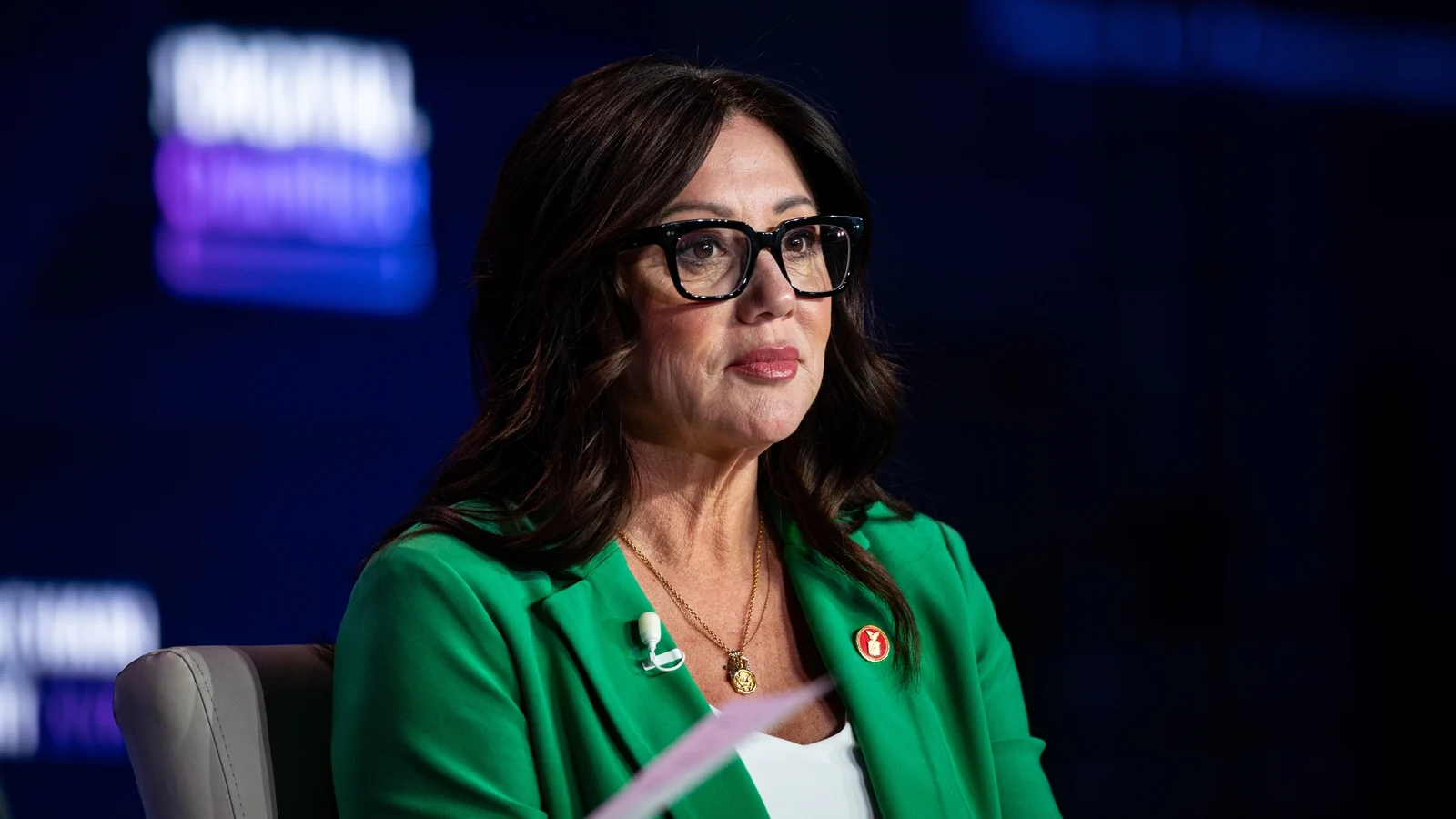
On a gray morning in Washington, a corridor that usually thrums with the small dramas of policy—late meetings, hurried aides, the hiss of the copier—felt strangely still. The Department of Labor’s flagship building, its stone facade weathered by decades of politics and policy, kept its secrets. But by midday the whisper had a name: Lori Chavez-DeRemer, the U.S. Secretary of Labor, was stepping away from her post to take a private‑sector job, the White House announced in terse, official language.
“Labor Secretary Lori Chavez-DeRemer will be leaving the Administration to take a position in the private sector,” communications director Steven Cheung wrote on X, praising her “phenomenal job” in the role. The statement was polished, short, and left more questions than answers—exactly the way modern political exits often arrive.
From Bipartisan Surprise to Tumult
Chavez-DeRemer’s rise carried the kind of unexpected turns that Washington likes to romanticize. A one‑term congresswoman from Oregon, she won confirmation to lead the Labor Department with support that reached beyond party lines—dozens of Democrats joined Republicans in the vote. For many, she represented a pragmatic conservative voice at a moment when bipartisanship was hard to come by.
But the last months of her tenure were anything but steady. Media reports, internal complaints and a probe into the department’s leadership painted a picture of a workplace strained by allegations of inappropriate behavior, messy communications, and fractured trust. The New York Times reported exchanges of text messages that raised alarms among staff. The inquiry, launched after a complaint of widespread misconduct, found a pattern of incidents that some employees described as contributing to a hostile work environment.
What the Reports Say
According to published reporting, the probe reviewed messages in which Chavez-DeRemer and close aides asked employees to run personal errands during official travel—bringing wine for senior figures, for example. The Times also reported that family members, including the secretary’s husband and father, exchanged messages with young female staffers. One exchange from April 2025 quoted in reporting had her father telling a staffer: “Hearing u/r in town. Wishing you would let me know. I could have made some excuses to get out and show u around. Please keep this private.”
People close to the investigation say the findings prompted several personnel moves. Reported consequences included the departures of four members of Chavez-DeRemer’s team: her former chief of staff, deputy chief of staff, director of advance, and a member of her security detail. Civil rights complaints were also filed by three employees alleging hostile work conditions, and separate complaints surfaced alleging inappropriate touching by a family member in department offices—allegations that, if true, would compound the sense of alarm.
Voices in the Halls
“We are public servants. We come to work to make people’s lives better,” said a senior Labor Department aide who asked not to be named. “When the things swirling around leadership start to feel personal and intrusive, it corrodes morale. People stop trusting the mission.”
Outside the department, reaction ran the gamut. “This is not just about one person,” said Ana Rivera, president of a national labor union. “It’s about power, access, and the culture that allows boundaries to be blurred. Workers deserve a department that protects them—not one that becomes the source of complaints.”
A local barista across from the department, used to seeing government staffers grab morning coffee, shrugged: “They come in every day like anyone else. But when what happens behind those stone walls becomes front‑page news, it reminds you how much at stake these jobs are. These are places where policy is made that affects all of us.”
What Chavez-DeRemer and the Administration Say
The White House framed the departure as a voluntary move to the private sector. Chavez-DeRemer has not been accused personally of criminal wrongdoing in connection with the messages reviewed; nonetheless, the swirl of reporting and internal fallout created a political reality that made continued leadership challenging. The administration named Keith Sonderling, her deputy, as acting labor secretary while speculation mounts about a permanent successor.
In volatile administrations, cabinet posts can turn into revolving doors. In recent weeks, the departures of other high‑profile women in the cabinet have amplified questions about the stability of senior roles and the costs of political churn—particularly for women, who are frequently scrutinized in ways their male counterparts are not.
Beyond One Office: Power, Gender and Public Trust
This story is not only a personnel change; it exists at the intersection of larger forces. How do institutions respond when the private lives of leaders spill into professional spaces? What protections are in place for young staffers who might feel pressured to comply with requests from those in power? And what does it say when appointments that once drew bipartisan praise end under a cloud?
Workplace experts say these aren’t isolated issues. “Government workplaces are not immune to the same dynamics you find in corporations,” said an employment law scholar at a Washington university. “Hierarchies, blurred boundaries, and the sometimes-ambiguous distinction between personal and official travel create vulnerabilities. Complaints and investigations are how systems surface, but they’re also a sign that preventative cultures weren’t fully in place.”
For many observers, the story also stirs familiar anxieties about accountability. When staffers allege hostile conditions, they are often up against opaque processes and political calculations. For young women, the calculus can be even harder: the fear of career fallout, reputational harm, or being ignored altogether.
What Comes Next?
There’s an arc of accountability at work here: a complaint triggers an investigation; the findings produce personnel changes; and political leaders respond with public statements and new appointments. But what the arc often leaves unresolved is healing—within agencies, among staff, and in public confidence.
Is there a way to rebuild trust while keeping the department focused on wages, workplace safety, unemployment benefits and the array of tasks that affect millions of Americans every day? Some pragmatists argue that solid interim leadership, transparent reviews, and better employee protections can steady the ship. Others insist that cultural change requires more than new memos—it requires listening, structural reforms, and a willingness to confront uncomfortable truths.
As Washington turns another page, the people who work in those limestone corridors will keep showing up to the work of governing. The questions raised by this exit—about power, about the safety of young staffers, about how political leaders are held to account—are not just Washington’s to sort out. They are, quietly and insistently, everyone’s business.
So what do you think? When leaders fall short of standards we expect, how should institutions rebuild—through personnel changes, policy reforms, or deeper cultural shifts? The answers will shape not just this department, but how we imagine public service itself.