Diplomacy on a Treadmill: Why a Breakthrough in the Iran-US Talks Slid Off the Table
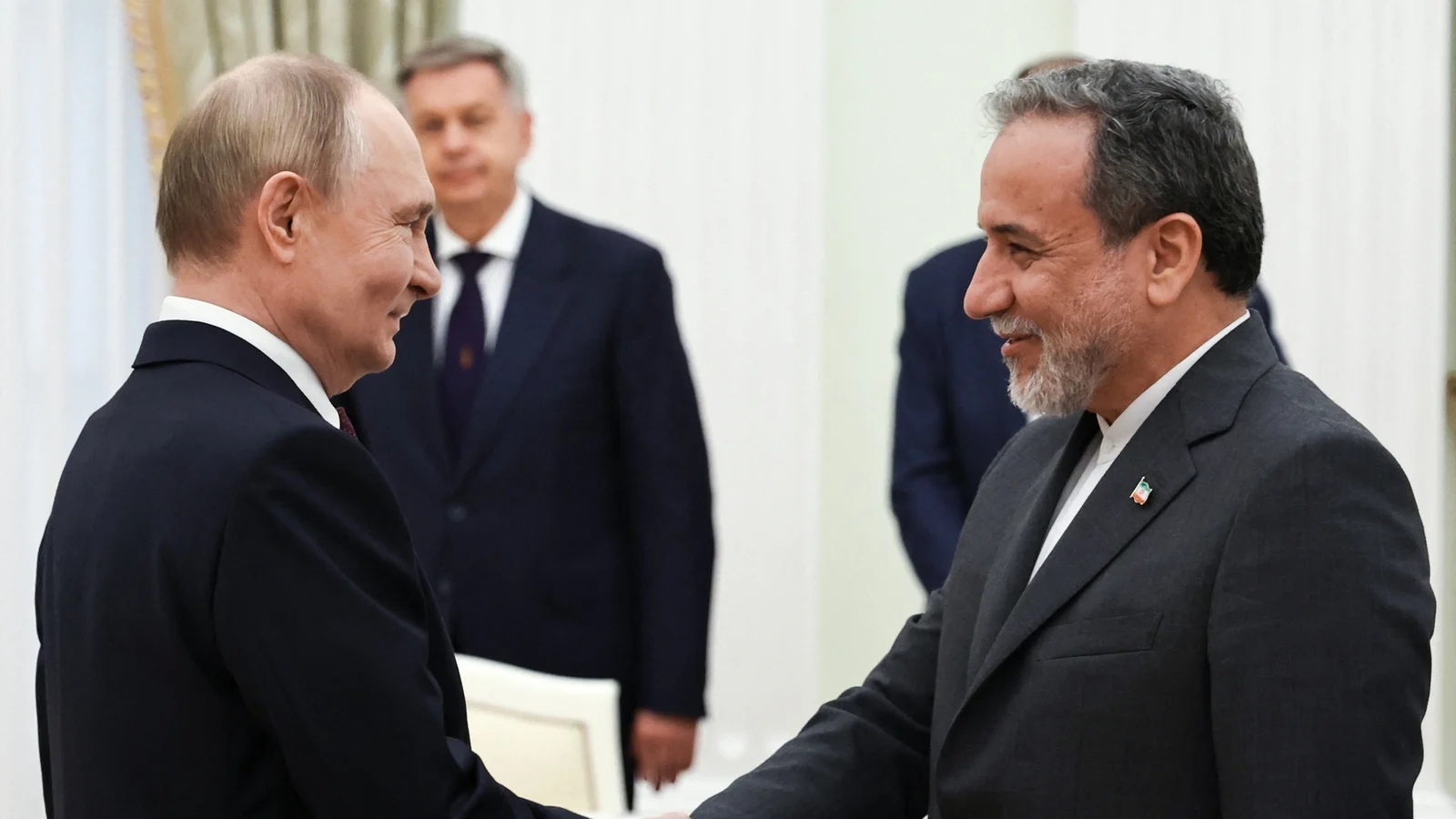
When the Iranian foreign minister stepped off a plane into a grey Moscow morning, he carried more than just a delegation and a briefcase. He carried the bruised optimism of a round of talks that many said had, against the odds, been making progress — until it didn’t.
“We had movement, then someone raised the bar,” a senior Iranian official told me in a phone interview, speaking on condition of anonymity. “Not every push forward is sincere; sometimes it is designed to stall.” The official’s meaning was plain: Tehran believes Washington’s demands were so steep that they actively undermined the fragile momentum in talks mediated by Pakistan and Oman.
To anyone watching from afar, the diplomatic choreography looked familiar — emissaries shuttling between capitals, a flurry of statements, then silence. To those on the ground, it felt like a story being rewritten without consent.
The Moscow Stop: A Political Postcard
In the heart of the Kremlin, foreign ministers and ambassadors trade histories as much as they trade demands. Iran’s arrival in Moscow this week was framed not as a last bid at glory, but as a reset: a chance to recalibrate alliances while the diplomatic center of gravity shifts. Iran’s envoy in Moscow posted a message framing the visit as part of a “diplomatic campaign” to protect national interests — language that underlines how much of this is performance as well as policy.
But Moscow is more than a friendly backdrop. It is a strategic partner that both Tehran and Washington watch closely. Russia’s posture — rhetorically advocating for a world free of unilateralism — feeds neatly into Tehran’s narrative that the West’s conditions are not simply tough, they are hegemonic. Such frames matter in capitals and bazaars alike.
A Straits Story: Why the Hormuz Matters to Everyone
Beyond the marble halls and television cameras, there is a narrow ribbon of sea that keeps the global economy awake at night: the Strait of Hormuz. This corridor, at its narrowest just 33 kilometres wide, carries roughly one-fifth of the world’s seaborne oil. When it sneezes, markets catch a fever.
Iranian officials have repeatedly highlighted “safe passage” through the strait as non-negotiable — not only for regional trade but for the stability of a global energy market that millions depend on. Local fishermen in the port city of Bandar Abbas describe patrol vessels cutting through the dawn mist; a captain I spoke with said, “We all feel the tension. The sea remembers fights.”
For merchants shipping goods from East Asia to Europe, the strait is a thin throat. Blockades, real or threatened, ripple through supply chains, add freight costs, and squeeze inflation down the line. Oil traders, who live and breathe probabilities, responded to the latest diplomatic stall with immediate nervousness — crude prices nudged upward and futures wobbled amid the uncertainty.
Words, Phones and the Limits of Contact
On the other side of the Atlantic, a blunt phone call was offered as a solution. “They can call us,” said a senior U.S. figure in a public statement that was at once an invitation and a reminder of power: the idea that negotiations can be as casual as dialing a number, while also being guarded by strict red lines.
These red lines are real. Washington insists that any agreement must prevent Iran from obtaining a nuclear weapon. Tehran insists it has no intention of weaponizing nuclear technology and demands recognition of its right to peaceful enrichment. Both positions are non-negotiable in their respective domestic politics. The result is a narrow corridor where concessions are politically perilous.
People in the Middle: Voices of the Region
A shopkeeper in Islamabad told me she feels the strain of geopolitics in her stalls. “We are not the actors, but we are actors’ audience,” she said, arranging a display of embroidered shawls. “When talks fail, prices climb and customers are careful.”
In Muscat, an Omani diplomat who had been quietly facilitating shuttles between Tehran and Washington admitted the work is “soul-draining but essential.” “You keep trying to pull two stubborn neighbors to the same table,” she said, “and you find that sometimes you are the table.”
Energy analysts warn of a small but consequential truth: markets can absorb short shocks, but sustained disruptions — even the threat of them — change investment decisions. “Shipping routes may be rerouted, insurance premiums rise, and companies delay projects,” said Dr. Aisha Rahman, an energy economist. “Those effects compound over months, not days.”
Markets, Mortality and the Human Cost
There is a chillier ledger behind the headlines: the tally of death and displacement. While a ceasefire halted full-scale assaults, it didn’t erase the casualties. Thousands have been killed in the fighting, families remain fractured, and the economic fallout is felt from Tehran to Gulf ports to markets in South Asia.
These human costs bleed into larger global anxieties — from rising inflation in fragile economies to the reshaping of alliances. The world is watching how a regional conflict spills into shipping lanes and investors’ algorithms, and how quickly local violence can become a global price shock.
So What Happens Next?
Diplomacy often moves in fits and starts. A canceled visit by high-level envoys, the sudden withdrawal of a delegation — these are not just calendar changes; they are signals. For now, the immediate hopes of a negotiated end have been dimmed. But the pursuit has not vanished.
What would a realistic path forward look like? In the near term, expect more indirect channels: mediators in neutral capitals prodding for face-saving language, technical talks focused on verification, and a parade of televised statements meant to satisfy domestic audiences. Over the longer haul, resolving the standoff will require bridging two stubborn truths: security fears in Israel and the United States, and sovereignty concerns in Tehran.
Questions to Sit With
- Can states with diametrically opposed narratives find a script both can read from without losing face?
- How long can global markets tolerate uncertainty before businesses reconfigure supply chains permanently?
- And perhaps most importantly, what is the moral calculus of waiting — how many more lives should be risked on the altar of diplomatic posturing?
Closing: A Region and a World on Edge
There is something almost quotidian in the spectacle: ministers arriving in big cities, press releases, stern warnings, and the ever-present imagery of patrol boats in the fog. Yet beneath the ritual lies a fragile mosaic of human lives, economic dependencies, and political narratives that refuse to be simplified.
As the diplomats disperse to their capitals and the camera crews pack their lights, the sea keeps its own counsel. For merchants, fishermen, and families in the littoral towns, the question is practical and urgent: will the next passage through Hormuz be routine, or will the next turn in negotiations make it perilous?
We follow the answers not as spectators to a game but as participants in a system where peace — and the cost of its absence — touches everyone. Will a phone call be enough? History suggests no single act will do it. Real resolution requires reshaping incentives, acknowledging grievances, and, most painfully, accepting compromises that neither side will ever like very much. That is the human work of diplomacy — slow, imperfect, and profoundly necessary.