When Barrels and Bonnets Meet: How a Royal Visit Toasted Scotch Scotchmakers
Some mornings in Speyside begin with the same little miracle — sunlight slanting across peat-dusted rooftops, the soft clink of glass as new spirit is siphoned into old American oak, and the whisper of casks that have lived two lives: first cradling bourbon in Kentucky, then maturing Scotch on a Scottish hillside.
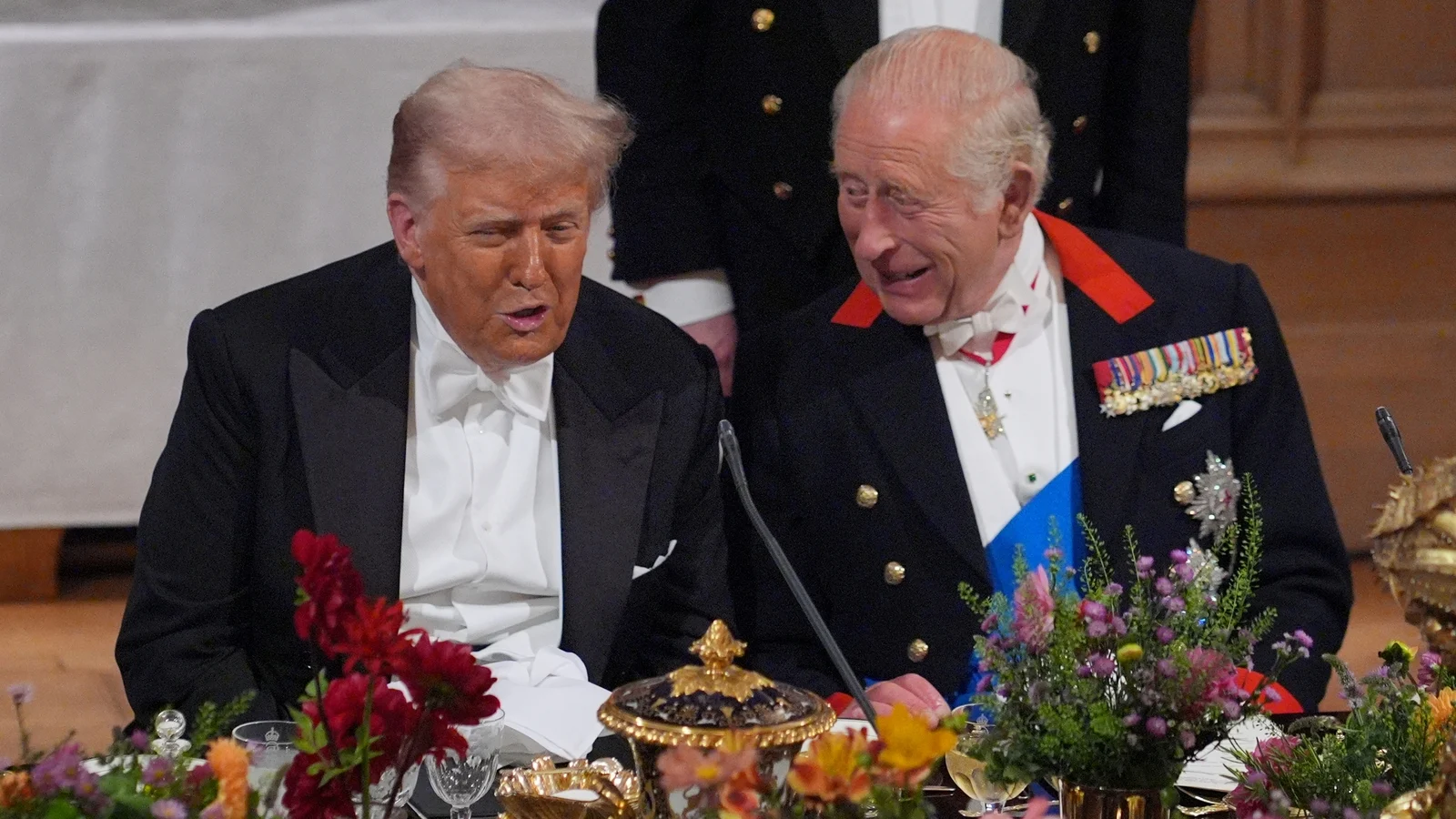
This week, one of those casks — and the centuries-old story it carries — found itself at the center of an unlikely diplomatic dram. After a White House visit by King Charles and Queen Camilla, the U.S. announced it would lift tariffs on Scotch whisky. The move has sent ripples through distilleries, pubs, government offices and political chatrooms on both sides of the Atlantic.
The Politics in a Glass
The headlines were brisk and theatrical. In a brief post, the U.S. president hailed the royals’ presence at the White House as the nudge that prompted the decision: “In honor of the King and Queen… I will be removing the Tariffs and Restrictions on Whiskey having to do with Scotland’s ability to work with the Commonwealth of Kentucky.” It was a tweet-sized moment that felt, to many, as much about ceremony as commerce.
For people who actually make whisky, though, the news landed with a more practical thud. Scotch has long been threaded into a transatlantic supply chain: American distillers supply the charred, seasoned casks; Scottish distillers fill them with new make spirit; then, after three, five, ten or more years, that liquid — matured, shrunk and transformed — heads back overseas as Scotch.
“Those barrels aren’t just wood,” said Aileen MacRae, a fourth-generation cooper at a family yard near Elgin. “They’re contracts in oak. If tariffs bite, it’s the miller, the cooper, the trucker and the young lad making the case who all feel it. You hear it in the empty benches at the bottling line.”
Money on the Counter
The practical numbers matter. Scotch whisky exports to the U.S. have been worth almost £1 billion a year in recent times — a lifeline for regional economies in Scotland and supply partners in the U.S. At a macro level, whisky is part of a global luxury market that carries culture, tourism and jobs. When trade barriers rise, the losses are felt in distilleries, pubs and the towns that host them.
Scotland’s devolved government and industry bodies had been lobbying Washington for months, warning that tariffs levied during broader trade disputes were draining jobs and revenue from communities that depend on whisky tourism and exports. “People’s jobs were at stake,” Scotland’s First Minister remarked after the announcement, calling the reversal “tremendous news.”
Trade Secretary Peter Kyle was brisk in his own praise: “This is great news for our Scotch whisky industry, which supports thousands of jobs across the UK.” His words echoed a larger point: these are not luxury items isolated from everyday life; they are an economic ecosystem.
What the Change Means — and Doesn’t
Before we cheer the end of tariffs, a note of complexity: the details matter. Industry insiders are still waiting for the formal executive order and the legal scaffolding that will spell out which products and territories are covered. Irish whiskey — a separate but intimately connected industry — faces its own questions. The U.S. had applied a 10% tariff on many EU-origin spirits, including Irish whiskey, and producers on both sides of the Irish border worry about how any change will apply to Northern Ireland versus the Republic.
“If it’s a blanket removal, that’s excellent,” said Sean O’Donnell, a cidermaker-turned-whiskey-bottler in County Cork. “If it’s selective, it could create odd distortions — goods moving one way across a border not another.”
Scenes from Home: Local Voices
In a low-ceilinged pub off the Royal Mile in Edinburgh, landlord Morag Sinclair watched the live feeds with the pragmatic optimism of someone who sees tourists return each summer and buys her whisky by the cask. “We sell stories as much as bottles,” she said. “People come for clan histories, for anniversaries, and they leave with a bottle. Tariffs make those bottles heavier at the till. This could lighten things up.”
Across the ocean, in a white-painted distillery in Bardstown, Kentucky, bourbon maker Luke Harmon raised an eyebrow when asked about the announcement. “We love Scotland,” he said. “Many of our barrels go on to house Scotch. When their business thrives, our cooperages thrive. It’s not zero-sum.”
Trade analyst Dr. Aisha Rahman offered a sobering frame: “What we’re seeing isn’t just a tariff decision — it’s diplomacy by dram. Cultural diplomacy, symbolic gestures and economic interest can align. But this moment also exposes fragilities in global supply chains that we should address more structurally.”
More Than a Bottle — The Story of Soft Power
This episode illuminates an age-old truth: trade is never only transactional. Soft power — state visits, banquets, a monarch’s handshake — often lubricates the deal. The King and Queen’s visit became a theatrical lever, allowing officials to package a policy change as a nod to shared history and cross-Atlantic friendship.
Ask yourself: how often do nations use culture to smooth commerce? The cases of Scotch and bourbon show it in oak-stained relief. Beyond barrels, think of the exporters whose livelihoods tie into these flows: tour operators offering distillery tours, local artisans selling tasting glasses, cafés promoting whisky-paired desserts. Removing a tariff can ripple through entire communities.
Broader Lessons for Global Trade
There is also a global lesson. Tariffs that begin as political bargaining chips can harden into economic pain. Yet, when leaders choose to remove them, the impact is quick and palpable. The Scotch story suggests a path: targeted dialogue, industry-government coordination and, crucially, public faces at the table.
“It shows diplomacy still matters,” Dr. Rahman said. “Not just at the level of treaty texts, but in gestures that open doors.”
What Comes Next?
Practically, distillers will watch carefully for the official paperwork that clarifies which whiskies are included and how Northern Ireland figures into the equation. Irish producers, in particular, are uneasy until the legal text lands.
For the wider public, the episode invites a more reflective question: what do we want trade to be? A dry ledger of tariffs and quotas — or a set of relationships that respects culture, jobs and shared histories?
On a late afternoon in Speyside, Aileen polished a cooper’s chisel and looked out at stacked casks that smelled of caramel and smoke. “We make whisky for people to share,” she said. “If governments can do a bit of sharing back, then maybe that’s a good thing.”
Raise Your Glass
So, will removing the tariffs be the golden solution to every problem in the distillery towns of Scotland, Ireland and beyond? No. But it is a start — and a reminder that sometimes, diplomacy comes not in speeches but in the simple international exchange of oak, spirit and goodwill.
Will the change deliver a new tide of exports and revive every shuttered shop? Time will tell. For now, raise your glass to the idea that a royal visit, an Oval Office meeting and a cooper’s craft can converge — and that what happens to a barrel in Scotland can matter to a farmer in Kentucky, a bartender in Dublin, and a tourist in Edinburgh alike.