When a Jar of Baby Food Becomes a Wake-Up Call
It was a weekday morning in a small Burgenland village, the kind of morning where steam rises from coffee cups and the bakery’s scent brushes the street. Anna, a mother of two, reached for a jar of baby food from the cupboard and felt the same quiet confidence millions of parents carry when they choose a trusted brand. “I always thought of those jars like a tiny promise,” she told me, voice low with the kind of anger that can turn into activism. “Safe. Honest. Ordinary.”
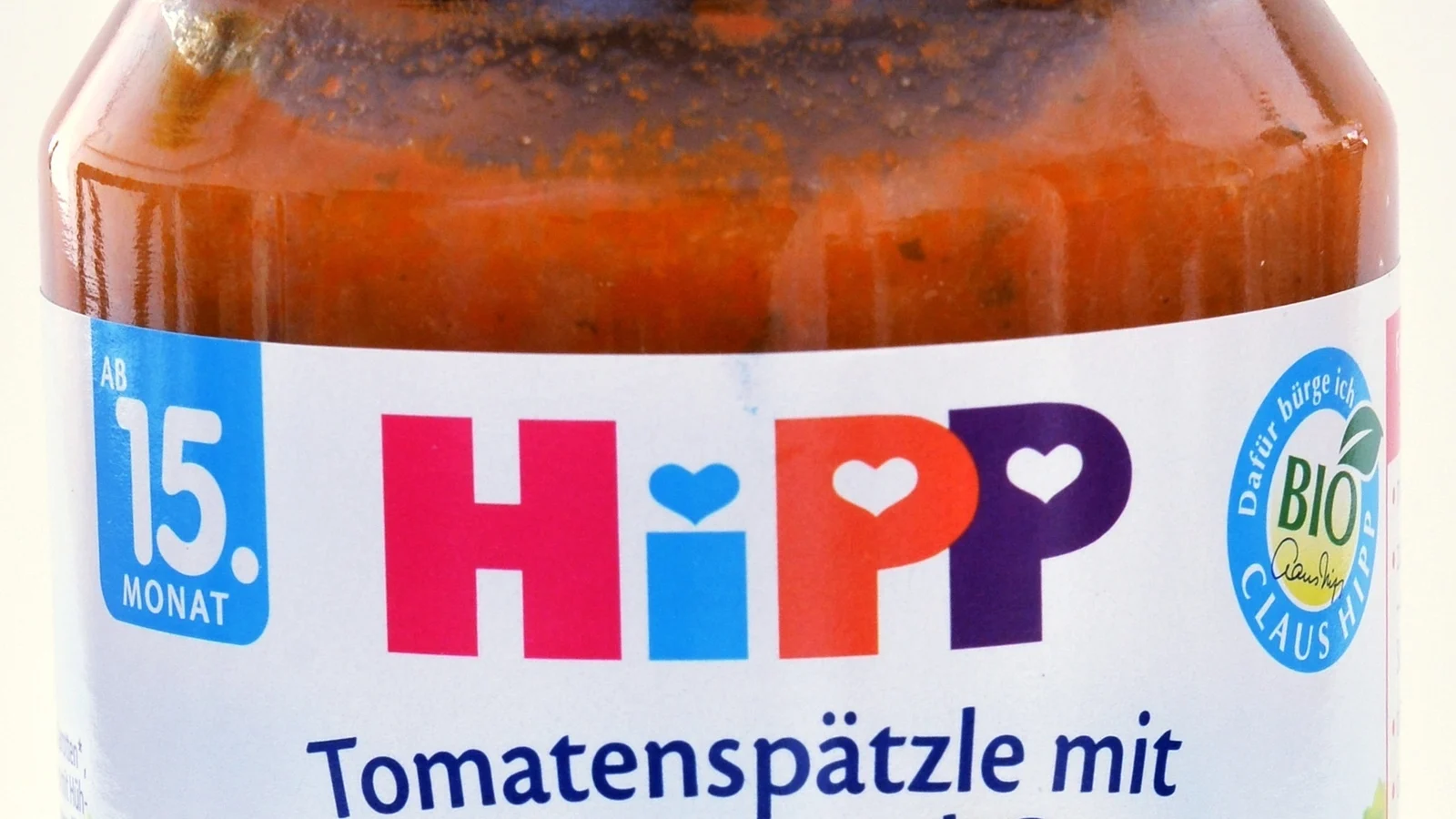
That ordinary promise was cracked open last month when authorities in Austria announced they had arrested a 39-year-old suspect in a chilling case: rat poison had been inserted into jars of baby food made by German organic brand HiPP. Five tampered jars — recovered across Austria, the Czech Republic and Slovakia — were intercepted before they could be fed to children. A sixth jar remains missing.
The Arrest and the Threads of an Investigation
“Today we succeeded in arresting a suspect, a 39-year-old man,” a Burgenland police spokesperson said, careful to add that details were being withheld to avoid jeopardizing the investigation. Local media later reported the man was detained in Salzburg province, just a stone’s throw from the German border.
The arrest is a crucial development, but it is only one knot in a broader web: German police had previously said five “manipulated” jars had been safely recovered across three countries. That cross-border pattern made clear this was not a local prank but a deliberate attempt to place hazardous material into the supply chain of a product aimed at society’s most vulnerable consumers — infants.
Extortion or Something Deeper?
HiPP’s manufacturer described the incident as an attempt to extort the company. Austrian reporting suggests an email demanding €2 million had been sent to HiPP in March with a six-day deadline — a message the company did not notice until two weeks after the deadline had passed, because it was sent to a group address that “is not checked often,” HiPP said.
Whether this was a ransom plot gone awry, a calculated attack on brand trust, or a more troubled individual acting alone, the effect rippled far beyond one company’s inbox. “Any threat to the food chain amplifies fear because food is intimate,” said Dr. Lena Kovac, a food safety sociologist. “This is not just an attack on a brand. It is an attack on the quiet assumptions we make every day as parents, caregivers, and consumers.”
From Family Tables to Police Briefings: The Human Cost
Across town, families swapped messages in group chats, screenshots of police bulletins and German recall notices appearing like a grim new currency. “My sister called me crying,” said Marco, a father in Bratislava. “She said she’d fed our baby from the same batch last week. We were lucky. It could have been different.”
The stakes here are visceral. The World Health Organization estimates that unsafe food causes around 600 million illnesses and 420,000 deaths each year worldwide — numbers that remind us how fragile the chain is between production and the plate. When contaminants are deliberately introduced, the calculus shifts from random negligence to targeted harm, and that is harder to accept and harder to police.
How Did the Tampering Go Undetected?
Manufacturers often rely on sealed packaging, batch controls, and monitoring to guard against contamination. Yet modern supply chains are long and porous: raw ingredients move across borders, packaging lines run at speed, and goods are distributed through a complex lattice of wholesalers and retailers. In this case, investigators say jars were found in Austria, the Czech Republic, and Slovakia — a pattern that required international collaboration to trace.
“We’re seeing the limits of a reactive system,” said Stefan Meier, a former inspector for the EU food alert system. “When someone intentionally tampers with product post-manufacture, it bypasses the safeguards built for accidental contamination. That’s why coordination across borders and rapid communication to consumers are vital.”
Local Color: Markets, Mothers, and Mistrust
In the markets of Pfarrkirchen and in the town squares near HiPP’s Bavarian home in Pfaffenhofen, people spoke about trust like it was both a civic good and a domestic one. “We buy local because we know who is making it,” said an elderly vendor who sells jars of homemade sauerkraut. “But even in the shop, you must be careful.”
Parents, in particular, described a new kind of vigilance. “I check every seal now,” said Sara, a mother in Vienna who used to buy the brand for her toddler. “I used to trust the label almost spiritually. Now I run my thumb over the lid like I’m searching for a seam.” The emotional labor of parenting takes on an extra weight when threats feel invisible and intimate.
Bigger Picture: Food Safety, Extortion, and Digital Blind Spots
The HiPP case also highlights vulnerabilities beyond the processing line. If, as reported, an extortion email was missed because it landed in a seldom-checked group inbox, it exposes how communication lapses can have real-world safety consequences. Corporate email hygiene, customer communication channels, and crisis protocols suddenly matter as much as production standards.
Cyber and physical security are converging. Increasingly, companies that produce essential consumer goods must think like hospitals or utilities — because they are, for many families. The European Union’s Rapid Alert System for Food and Feed (RASFF) exists precisely because food scares know no borders. Swift, transparent alerts can prevent tragedy and restore trust.
What Experts Recommend
- Faster, mandatory reporting of any suspected tampering to national food alert systems.
- Stronger tamper-evident packaging and randomized post-distribution sample testing.
- Regular audit of corporate communications channels and crisis-response drills.
- Greater public education about recognizing tamper signs and safe disposal of suspicious products.
Questions for Our Time
What do we expect from those who make the food we feed our children? Is it reasonable to believe in absolute safety when a product passes through so many hands? And how much responsibility should corporations bear — not only for making safe products but for guarding against threats once their goods leave the factory?
These are not rhetorical niceties. They are the contours of a debate about trust, capitalism, and public safety in an uneasy age. When an email goes unread and a jar of food is weaponized, it reveals more than a criminal act; it reveals fissures in systems we rely on.
Practical Takeaways for Parents and Caregivers
Until the dust settles and the investigation concludes, here are tangible steps families can take to reduce risk and reclaim some calm:
- Inspect packaging for broken seals or unusual residue before serving.
- Register products with manufacturers when possible so you receive direct alerts.
- Keep a small emergency kit — contact numbers for poison control and pediatricians — in the kitchen.
- Buy from trusted sources and consider diversifying suppliers to avoid single points of failure.
Closing: Trust Rebuilt, Slowly
As investigators piece together motive and method, parents in towns from Vienna to Bratislava are doing what people always do after a shock: adapting. Some will return to the brand; others will never again treat a packaged jar as a quiet promise.
“We can’t live in a bubble,” Anna said, stirring her child’s porridge and looking at me as if expecting an answer. “But we can demand systems that protect us and be relentless about accountability.”
Her words are small and fierce — a reminder that food safety is more than regulation and inspection; it is the pulse of daily life. The HiPP case will become another dossier in a growing file on how to protect the things we feed to our children. The test, now, is whether institutions, companies, and communities learn quickly enough for that pulse to steady.