The tanker that vanished into the blue: a modern hijacking and an old fear
It was not a headline in the way wars or earthquakes are: no satellite footage, no banners across the front page. Instead, a single vessel slipped from one jurisdiction into another, its crew suddenly untethered from the world’s watchful eyes. The oil products tanker EUREKA — registered under the flag of Togo and last logged in Fujairah at the end of March — was boarded off Yemen’s Shabwa coast and steered toward Somalia, the Yemeni coast guard said. For a few hours it looked as if the sea had swallowed not just steel and fuel, but also the fragile sense of safety that commercial sailors depend on.
“They boarded, took control, and turned her toward Somali waters,” a coast guard official told me over the phone, speaking on condition of anonymity. “We have located the vessel and are monitoring. The priority is the crew’s safety and recovery of the ship.” The official declined to give the crew’s nationality or numbers — a silence that, in maritime crises, speaks louder than any update.
Echoes of an old menace
To anyone who lived through the piracy boom of the late 2000s, this will sound eerily familiar. The Gulf of Aden — the short, strategic stretch of water connecting the Red Sea to the Indian Ocean — was the stage for hundreds of attacks a decade and a half ago. Pirates from Somalia made global headlines in 2011, when hundreds of vessels were targeted and stories of hostage-ransoms and military rescues filled evening broadcasts.
That era subsided after international naval patrols, better armed and escorted commercial shipping, and stricter onboard security protocols. But the lull was not permanent. The European Union’s Operation Atalanta, the long-running naval mission off Somalia established in 2008, has reported a rise in incidents in recent weeks. The operation’s Maritime Security Centre – Horn of Africa (MSC-HOA) logged three attacks in late April alone.
“We were hopeful the piracy problem had been contained for good,” said Dr. Lina Reda, a maritime security analyst based in Dubai. “But these latest episodes show the conditions that fuel piracy — political collapse ashore, lucrative shipping lanes offshore, and opportunistic criminal networks — are still in place. The sea often reflects the land.”
Where this ship fits in
MarineTraffic, the open-source ship tracking service, lists the EUREKA as a Togolese-flagged oil products tanker with a recent call at Fujairah port in the United Arab Emirates. The records give us a breadcrumb trail: built and flagged in one place, loaded in another, and now adrift in waters where law is, in moments like this, negotiable.
That blend of opacity and interconnectedness is a feature of modern shipping. Flags of convenience, global crewing, and long supply chains mean a single hijacking can ripple quickly — affecting insurance premiums, fuel markets, and the livelihoods of dockworkers half a world away.
On the water and on the shore: voices from the Gulf of Aden
In a shabby coffee shop in a coastal village in Shabwa, a fisherman named Hassan sat with his tea and watched the horizon. “We see strange fast boats at night,” he said, tapping the ash of a cigarette into a chipped saucer. “Sometimes they move like they are hunting. Sometimes they just pass. The sea has changed.”
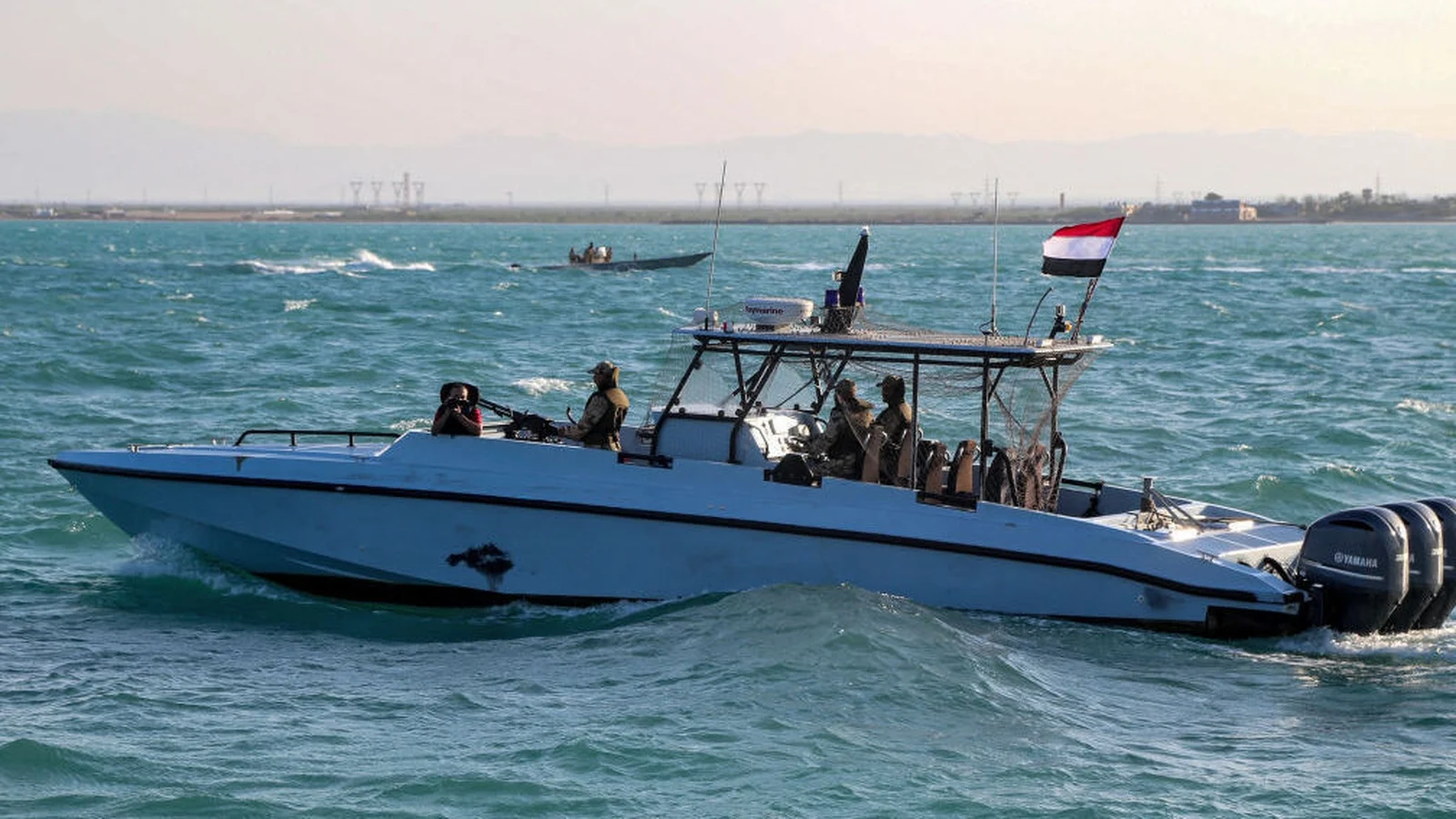
On the other side of the corridor, in Garacad — a port town in Puntland, northeastern Somalia — local sources have been raising alarms. Last month, a tanker was reportedly taken in the Gulf of Aden by a new group of pirates operating from Garacad, according to a regional security official. “These groups are more mobile, better equipped,” the official told an international reporter. “They’re not the clumsy men with ladder and rope from ten years ago.”
Back in Yemen, a coast guard statement was formal but concerned: “Work is under way to monitor [the tanker] and take the necessary measures to recover it and ensure the safety of its crew.” No timeline was offered. No guarantees either. In the absence of certainty, the human cost rises.
Why a single tanker matters to a world of strangers
It is tempting to regard maritime hijackings as remote dramas affecting only seafarers and shipping companies. The truth is more inconvenient: the Gulf of Aden is a chokepoint through which significant volumes of global trade — including crude oil and refined products — pass every day. Disruptions force rerouting, lengthen voyages, and nudify the complex economics of shipping insurance. Lloyd’s market and energy traders watch such incidents closely; even a small uptick in successful hijackings can push transit costs upward.
“When vessels feel at risk, the first reaction is higher premiums and armed security,” said Captain Jonathan Meyer, a retired merchant mariner who now consults on vessel security. “Some owners divert around the Cape of Good Hope to avoid the Bab el-Mandeb and Gulf of Aden. That’s an extra week at sea. That’s diesel, crew pay, and schedules thrown into disarray.”
And there are geopolitical currents, too. The Red Sea and Gulf of Aden have become more volatile in recent years — a mosaic of Houthi rebel strikes, state-to-state tensions, and proxy contests. Those pressures do not cause piracy by themselves, but they create a fog in which criminals can work more freely. The international naval presence that helped suppress piracy requires constant funding and political will; when priorities shift, gaps appear.
The human ledger
Dozens, sometimes hundreds, of lives are at risk in any hijacking. Crew members are ordinary people: engineers from the Philippines, deckhands from India, officers from Ukraine or Russia, cooks from Ghana — families waiting for calls that might never come. “We have to remember there are names and stories behind these vessels,” Dr. Reda reminded me. “Policy speaks in statistics, but the sea is full of individual tragedies.”
What might come next?
There are immediate answers — a coordinated naval response, diplomatic pressure on Somaliland and Puntland authorities to clamp down on coastal bases, and international law enforcement to target the ransom networks that profit from captives and cargo. There are slower answers too: better governance in Somalia, sustainable livelihoods for coastal communities, and economic alternatives that make piracy less attractive.
“A gunboat can stop a boat,” Captain Meyer said. “It cannot rebuild a broken economy. You need both security and development.”
So what do we want as global citizens? Simply to keep the arteries of trade open for the goods and fuel that societies depend on — but also to care enough to address the root causes of violence. Will the EUREKA be recovered? Will its crew be safe? These are not rhetorical questions. They are urgent, human, and unresolved.
As you read this, imagine the creak of a ship’s hull at sea, the insomnia of a seafarer keeping watch, the slow churn of a distant navy vessel on the radar. Picture the tiny coastal towns where men whisper about fast boats and changing tides. How should the world respond to ensure that shipping lanes remain lifelines, not lawless frontiers? The answer matters beyond headlines — it touches economics, security, and the dignity of the people who spend months away from their families to keep commerce moving.