A Celebration That Became a Line in the Sand
It was meant to be a simple, joyful scene: families, menorahs, the casual chatter of strangers warmed by a December sun and the salt-slick air of Bondi Beach. Children chased waves. Someone hammered latkes into the smell of takeout coffee. Hanukkah lights glittered against a horizon the color of blue glass.
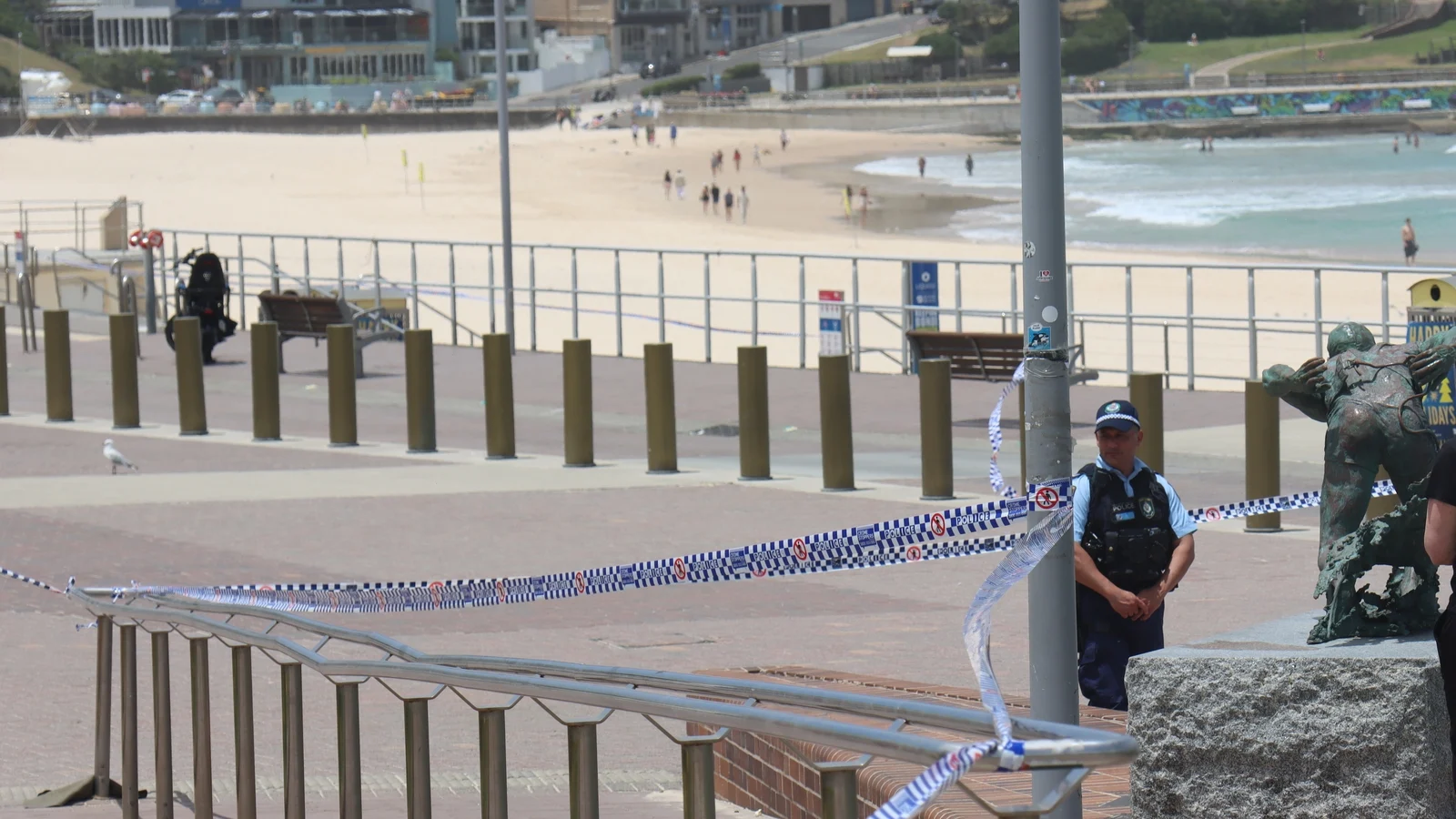
Then the day cracked open. Gunshots — sudden, metallic, impossible — turned the laughter into chaos. Fifteen people lost their lives. Scores were wounded. The coastline, that famously open and easy place, felt suddenly small, trashed with grief and disbelief.
For a country that remembers Port Arthur and the sweeping reforms that followed, this felt like a rupture all over again: Australia’s deadliest mass shooting in three decades, and an act that has set off a national debate about antisemitism, security and how people can be radicalized in plain sight.
The Man Accused and the New Wave of Charges
Authorities say the alleged gunman, 24-year-old Naveed Akram, opened fire during the Hanukkah gathering. He has already been charged with dozens of counts — including 15 murders and terrorism — and court records now show a fresh raft of allegations: 19 additional charges ranging from multiple counts of shooting with intent to murder, to wounding with intent, and discharging a firearm to resist arrest.
Akram remains in a high-security prison and has not yet entered a plea. His father, Sajid Akram, 50, who is accused of being a co-conspirator, was shot dead by police during the attack. Police say the two had prepared carefully: firearms training in a rural part of New South Wales, videos posted months earlier showing them firing shotguns and moving in “tactical” ways, and an October recording denouncing “Zionists” in front of a flag linked to the so-called Islamic State.
“This was not the act of a moment,” said the inquiry’s chair in public hearings, Justice Virginia Bell. “It was planned. And it exposes a frightening currency of hatred that can be converted into violence in a very short space of time.”
A Community Asking How and Why
At the synagogue halls and beachside cafes of Sydney, people are scraping together explanations and consolation. A community volunteer who helped on the first night described her fury the way people do after a storm: “We try to make sense with light. That night they came for our light.”
A local lifeguard who watched the emergency crews arrive said, “Bondi is used to urgent moments — rescues, rip currents. But this felt different. There was a cruelty to it. Families, babies, old people… people who were simply living a quiet life.”
Officials have tried to answer procedural questions. Australia’s domestic intelligence agency had flagged Akram in 2019 but later assessed that he did not pose an imminent threat. The file now prompts an urgent, uncomfortable inquiry into how early warning systems are calibrated and why some flagged individuals slip off the radar.
What the Inquiry Has Shown So Far
- Authorities allege months of planning, including weapons training and online radical statements.
- Police released images suggesting tactical rehearsal with shotguns in regional areas.
- Public hearings have been convened to examine both the immediate law-enforcement response and broader social factors.
Antisemitism in an International Mirror
What happened at Bondi did not feel isolated. In the months and years around this tragedy, community leaders and researchers had been warning of a spike in antisemitic incidents across many Western countries. Events in the Middle East — and the furious, often dehumanizing discussions that follow — have a way of translating into targeted hostility at home.
“We’re living through a contagion of hate,” said a sociologist who studies radicalization. “Conflict abroad can be a spark; online ecosystems are the accelerant. People who harbour animus find each other, amplify one another, and sometimes learn how to turn words into weaponry.”
For Jewish Australians, many of whom have deep roots in the nation’s multicultural fabric, the attack was a blow to a sense of belonging. “We’ve always considered Australia safe,” one elderly congregant said through tears. “Now our kids ask if they can still light candles at school.”
Policy Ripples: Guns, Buybacks, and Broken Consensus
In the immediate aftermath, Canberra vowed to act. New gun-control measures were announced, including a proposed nationwide buyback scheme meant to remove dangerous weapons from circulation. Yet moving from pledge to practice has proved difficult: the buyback has stalled as federal and state governments negotiate the details and politics of compliance.
Australia’s memory of Port Arthur helped create one of the world’s most effective post-shooting reforms. But this new moment highlights how policy, politics and federalism can slow even urgent change. “We can legislate,” remarked a public-safety expert, “but we also need the trust of local governments and communities to make it work.”
Questions for a Nation
There are thorny, unavoidable questions now: How do we detect and prevent radicalization without casting a net so wide it ensnares ordinary lives? How do we balance civil liberties with the need for surveillance that actually protects people? And how do societies heal when a targeted act of violence shatters everyday spaces where people gather to celebrate faith and family?
“This has to be a moment of reflection, not just reaction,” said a community organizer. “We need better social supports, better online moderation, and a national conversation about belonging.”
Small Acts, Big Meaning
At a candlelit vigil a week after the shooting, a young volunteer handed out paper stars with names of the victims. People stood barefoot on the sand, the surf whispering like a parent’s hush as strangers comforted strangers.
“When hate tries to make us small, we have to keep making light,” whispered an elderly woman, as the menorahs shimmered in the wind. Her words felt like a command and a prayer.
As the inquiry continues and court proceedings unfold, Australia — and the global community watching — will be forced to confront the harder truths that violence exposes: about identity, isolation, and the fragile architecture of safety. Will policy catch up? Will communities learn to notice and intervene earlier? Will we find ways to keep places like Bondi open and warm, without turning them into fortified zones?
These are not just Australian questions. They touch every society wrestling with the same shadows: polarized politics, online radicalization, and the ease with which anger becomes action. How will we answer them, together?