Smoke, Ash and the Silence That Follows: Mount Dukono’s Sudden Fury
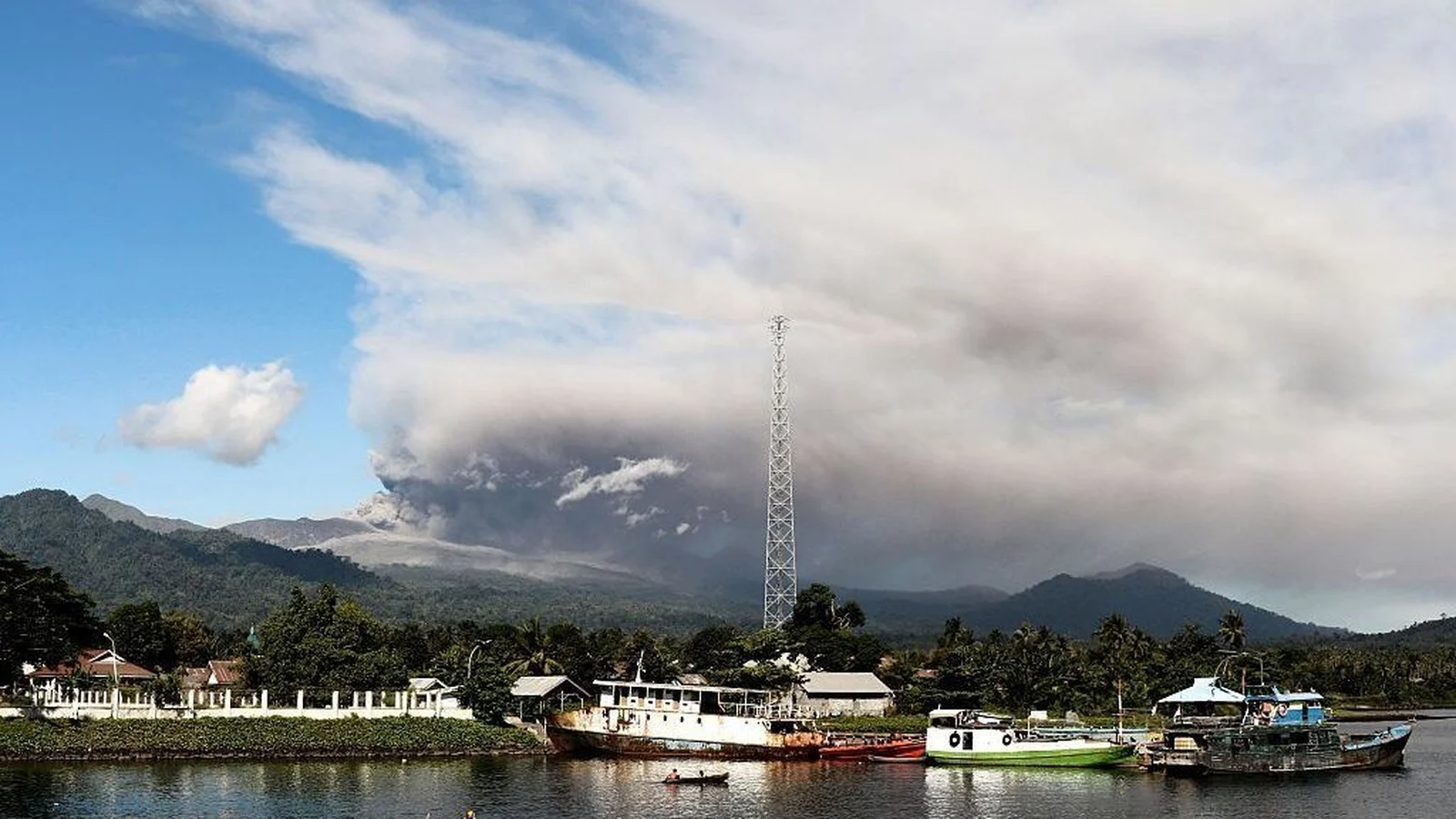
At dawn on a humid Monday, the sky above Halmahera tore open in a way residents said they had never seen before. A column of ash and fire-laced smoke shot upward, a dark feather that mushroomed and stretched until, from the sea to the jungle, people felt the island exhale. Mount Dukono, one of Indonesia’s most persistent volcanoes, hurled ash as high as 10 kilometers into the atmosphere at 07:41 local time, sending hiking groups, fishing boats and village communities scrambling for shelter.
The morning’s violence left an immediate human story: 20 climbers trapped by the eruption; rescues that freed 17 people; and three hikers—still missing, still unaccounted for as the island’s rescue teams scour the slopes and the crater rim. The quick-moving column of hot ash, captured in grainy agency footage, raced down the mountain, blanketing the crater’s shoulders and cloaking trails that were only weeks ago lush with ferns and bird calls.
On the Ground: Faces and Voices
“We smelled sulfur, then the ground started to tremble,” said a rescue team coordinator who was organizing search parties from a packed command post on the coast. “There were hikers coming down coughing, some without shoes. It was chaos—people had ash in their hair, in their lungs.”
A villager near the eruption zone, an older woman who wakes to the sound of the sea and tends a small plot of sago and chili plants, described waking to a daylight that had gone brown. “At first I thought it was smoke from the faraway boat fires,” she told me, hands folded around a steaming cup of coffee. “Then it fell—like gray rain on the roofs, on the banana leaves. The chickens stopped.”
Survivors and local police have told reporters that three people—two of them from Singapore—may have died in the eruption. The local rescue agency has not yet confirmed those deaths. For families waiting on phone calls, every hour without official word lengthens the dread.
Why Hikers Were There Despite Warnings
Climbing Dukono was officially banned after an earlier eruption in 2024, but the mountain’s popularity with adventurous trekkers and the lure of its remote trails persists. Some say enforcement is lax; others point to a broader tourism rebound across Southeast Asia in the wake of pandemic restrictions.
“People come for the rawness,” explained a guide who often ferries small groups to Halmahera’s lesser-known ridgelines. “They want the emptiness, the feeling that you are the first to step here. You tell them, ‘It’s risky,’ and they say, ‘Even more reason.’ That’s the trouble.”
Numbers That Matter
Here are the facts we know so far, verified by Indonesian volcanology and rescue authorities:
- Ash column height: approximately 10 kilometers (reported by the volcanology agency).
- Alert status: kept at the third-highest level, signaling significant ongoing activity.
- Hikers affected: 20 trapped initially; 17 evacuated; 3 missing.
- Exclusion zone: authorities have warned locals and visitors to stay at least 4 kilometers from the crater.
- Recent activity: nearly 200 small eruptions recorded at the end of March as activity picked up again after a quieter 2023.
Indonesia, it’s worth remembering, is a country shaped by fire. The archipelago sits along the Pacific “Ring of Fire,” a belt of tectonic restlessness that accounts for roughly 75% of the world’s active volcanoes and about 90% of its earthquakes. The nation itself monitors more than a hundred active volcanoes, a Sisyphean task for volcanologists who track tremors, gas emissions and shifting slopes with a combination of instruments and human observation.
Risks Beyond the Plume
It’s not just the ash cloud that brings danger. Indonesian volcanology authorities warned of volcanic mudflows—the swollen, fast-moving rivers of debris and ash known as lahars—when the skies open up. Rain in a volcanic landscape becomes a mix of weather and lethal geology; ash-laden water turns into cement that buries roads, culverts and homes.
“After an eruption like this, every downpour is a threat,” said a hydrology expert with the regional disaster agency. “We map likely lahar channels and tell residents to move. But when people have lived in those valleys for generations, it’s hard to uproot them.”
Air Travel and the Wider Impact
As of now, there are no confirmed flight disruptions attributed to Dukono’s ash, but aviation authorities monitor ash plumes closely. Volcanic ash can strand aircraft, clog engines and grind visibility to nil. Remember the global chaos after the 2010 Eyjafjallajökull eruption in Iceland: tens of thousands of flights canceled and economies dented by a single, stubborn plume. With ash reaching the stratosphere at 10 kilometers, airlines and meteorologists will be watching the winds and the plume’s drift pattern for any changes that could affect regional air corridors.
Local Color: Life on Halmahera
Halmahera is not just a backdrop for volcanic drama—it’s an island of fishermen hauling in bright tuna, of women selling clove-scented snacks, of markets that open at dawn where fish are laid out on banana leaves and teas are taken with condensed milk. The island’s culture bears traces of centuries of spice trade and colonial touchpoints, but daily life there is ruled by tides and seasons, by the rhythm of palms and ocean.
“We know the mountain,” said an old fisherman who spends afternoons mending nets on a weathered jetty. “It is alive. Our grandfathers told us stories of it. But still, when it moves like that…you feel small.”
What This Means for the Future
Natural disasters are never just moments in time; they are tests of governance, community resilience and global solidarity. How do authorities balance the allure of adventure tourism against the duty to protect visitors and locals alike? How do emergency services maintain readiness across thousands of islands, with limited resources and endless possibilities for surprise?
There’s also a broader question for all of us: how do we live alongside active geology? From the Indonesian shorelines to the Pacific coasts, communities will continue to make complex decisions about where to farm, where to build and when to move. Technology—better monitoring stations, real-time alerts, drones for post-eruption surveys—helps, but so does local knowledge and the long, patient work of establishing trust between officials and communities.
How You Can Help
- Stay informed through reliable agency updates rather than social media rumor.
- If you’re traveling to volcanic regions, heed local advisories and respect exclusion zones.
- Support relief and monitoring organizations that work in Indonesia—both international and local charities.
As the search continues for the three missing hikers and families wait for definitive news, Dukono’s plume acts as a stark reminder: the Earth is alive beneath our feet, and sometimes it makes its presence impossible to ignore. Are we listening closely enough?
In the coming days, the ash will settle into fields and riverbeds, rescue teams will comb the contour lines, and communities will begin the slow work of counting losses and tallying blessings. For now, Halmahera holds its breath—and asks everyone watching from afar to do the same, to give space for grief, for rescue, and for the careful, painstaking work of recovery.