Downing Street at Dawn: A Country Waiting
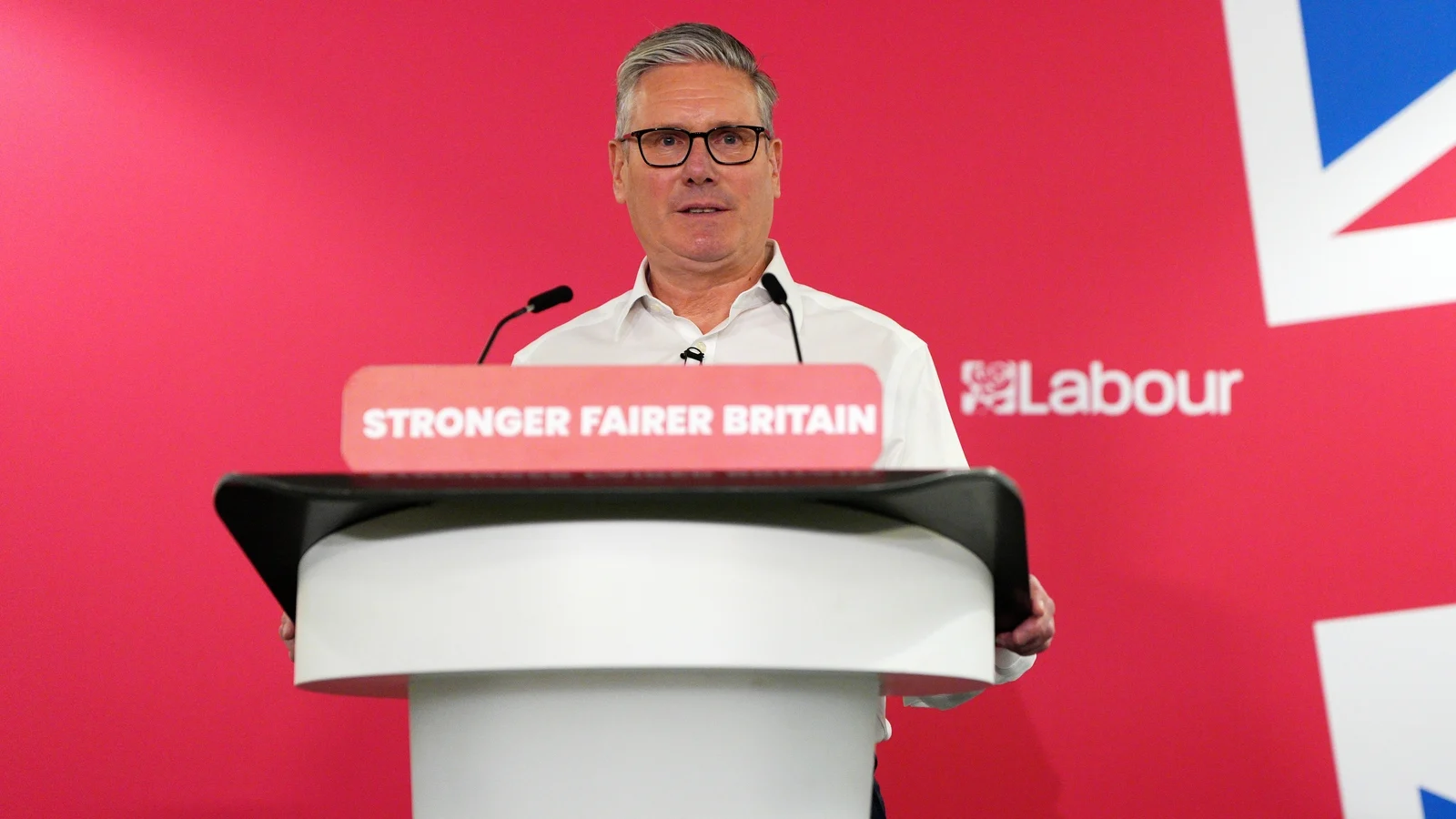
There are moments in politics that feel like held breath — when the familiar rhythms of routines, briefings and party rooms collapse into a single, noisy second. This is one of those moments. Outside No. 10, the black iron railings reflect the grey London sky. Inside, a handful of ministers file into a crisply lit room where, by midday, the prime minister will chair a meeting billed as “urgent” and “decisive.” The word on everyone’s lips is the same: crisis.
What is happening here is not only about one leader. It is a study in how fragile democratic authority becomes when scandal, poor judgement, or plain political fatigue collide with the unrelenting glare of media and social media. It is also, intimately, about people — voters, civil servants, aides, and MPs — who watch the spectacle with a mix of anger, exhaustion and curiosity.
The Crunch Meeting
Cabinet tables are usually islands of careful choreography. Ministers take their places, papers rustle, a civil servant sets a timer. Today the choreography is brittle. The cabinet room has been described by insiders as tense and quiet, with conversations happening in clipped asides rather than the usual banter. A senior government source told me, “There is a calculation happening in every corner: is this a turning point or a stumble we can survive?”
Those calculations are urgent because the political pressure is real and growing. Across the country, MPs and party officials have been fielding emails, calls and texts from constituents telling them the same thing: it’s time to act. In Westminster speaking network, words like “leadership challenge,” “confidence motion,” and “resignation” travel faster than any official statement.
For the prime minister, the meeting is narrow in purpose and wide in consequence: steady the ship, restore trust, and fend off calls to quit. The outcome will shape the government’s agenda for months — possibly years — to come.
Behind Closed Doors
Inside No. 10, aides move like people carrying plates in a busy kitchen. Some speak in reassurances — “We can manage the narrative” — while others are more blunt: “If we don’t check the leaks, we lose control.” A Downing Street aide, speaking on condition of anonymity, said, “There are conversations about whether a renewed mandate can be secured. But a mandate isn’t useful if nobody believes it’s honest.”
On the other side of the table, senior ministers weigh their options. Some quietly advocate for a reset: a public apology, a set of clear policy wins, and a show of unity. Others are whispering about a leadership contest, saying that party rules and parliamentary math now make a change more plausible than it would have been months ago.
Voices on the Ground
Walk a mile from the polished pavements of Westminster and you meet a different United Kingdom. In a north London bakery, the owner, who immigrated here as a child, folds his hands over a paper cup of tea and says, “We want accountability. Whoever runs the country must be someone we can trust with our lives and pensions and kids’ schools. Right now, that trust is gone for a lot of people.”
Outside a library in Birmingham, a retired teacher I met on a bench told me, “It’s not just about one mistake. It’s about a pattern. When people in power act like the rules don’t apply to them, it chips away at the social contract.” A young voter in Leeds, clutching a tote bag, offered a different tone: “I feel exhausted by all of it. I want someone who cares about the future — jobs, housing, climate. Is that too much to ask?”
These are not just isolated sentiments. Polling organizations and civic groups report a steady erosion of public trust in institutions over the past decade, a global trend that has particular resonance here. Citizens are looking for competence and integrity; when they perceive either lacking, the political temperature rises quickly.
What Could Happen Next?
There are a few broad scenarios that political strategists are working through. None is inevitable; each depends on shifting alliances and hard-to-predict personal calculations.
- A display of unity: A dramatic public show of support could stabilize the prime minister for a time. This usually requires key figures to sign on publicly and a fast-moving policy push to reclaim the narrative.
- A slow bleed: Ongoing defections, whispered opposition, and a persistent scandal could sap authority and leave the government weakened but intact — struggling to govern effectively.
- A leadership contest: If enough MPs submit formal letters of no confidence within party rules, the stage is set for a leadership challenge and possibly a new prime minister.
- An abrupt resignation: The most dramatic outcome is a sudden resignation, which throws the door open to a rapid scramble for successors and a reshaping of national priorities.
What the Numbers Tell Us
Certain facts ground these possibilities. The UK Parliament has 650 seats; the balance of those seats within the governing party and opposition determines how easily a prime minister can survive internal rebellion or an opposition-led motion. Meanwhile, public opinion matters: when support for a leader drops dramatically in polls, MPs — who depend on voters’ goodwill — quickly feel the heat.
Economic indicators also play a role. Inflation, unemployment and household budgets are the real-world metrics voters feel most urgently. When public confidence in the government’s economic stewardship falls, political survival becomes harder.
Global Reverberations
Why should the world care? Because Britain’s political stability matters beyond its borders. The UK is a major economy, a key diplomatic player in Europe and NATO, and a partner in global financial markets. A leadership change can ripple through markets, influence diplomatic negotiations, and alter approaches to shared challenges like climate change, migration, and security.
More broadly, this episode is part of a global conversation about democratic resilience. How do modern democracies handle the failings of leaders? How do parties balance loyalty with accountability? And how does social media — with its electrifying speed — change the calculus of political survival?
Looking Ahead: A Moment of Reckoning
As the cabinet meeting concludes and ministers disperse back into their constituencies, one thing is clear: the country is watching. The outcome will not just be measured by whether the prime minister stays or goes, but by what follows — reforms, apologies, or new leadership that addresses the deeper issues voters have raised.
Ask yourself: what do you expect from political leadership in times like these? Is it contrition, competence, or both? And when leaders fail, where should accountability come from — the ballot box, the parliamentary system, or the court of public opinion?
For now, Downing Street braces for the next chapter. The conversations that begin in that room today will ripple through living rooms, workplaces and newsfeeds across the country. They will shape not only the fate of one leader, but how a nation defines the trust it grants to those who govern it.