At Sea, Between Fear and Protocol: The MV Hondius and the Quiet Threat of Hantavirus
The image is cinematic: a sleek expedition ship, the MV Hondius, anchored off the sun-drenched coast of Tenerife as health workers in masks and gowns move like careful choreographers along gangways. But this is not a movie set. It is the awkward, urgent choreography of public health in real time — a reminder that the natural world still surprises us, and that global travel can turn an isolated spillover into a diplomatic puzzle.
Three passengers have died after an outbreak of hantavirus aboard the Hondius, and at least seven more people have confirmed infections with an eighth listed as probable. A French woman over 65, with pre-existing medical conditions, remains in intensive care on a ventilator. These numbers have set off alarms and questions, but also a chorus of reassurances from the World Health Organization and national governments: the global risk is low, they say, and there is no sign this is the beginning of a larger pandemic.
“Our work is not over” — a cautious chorus
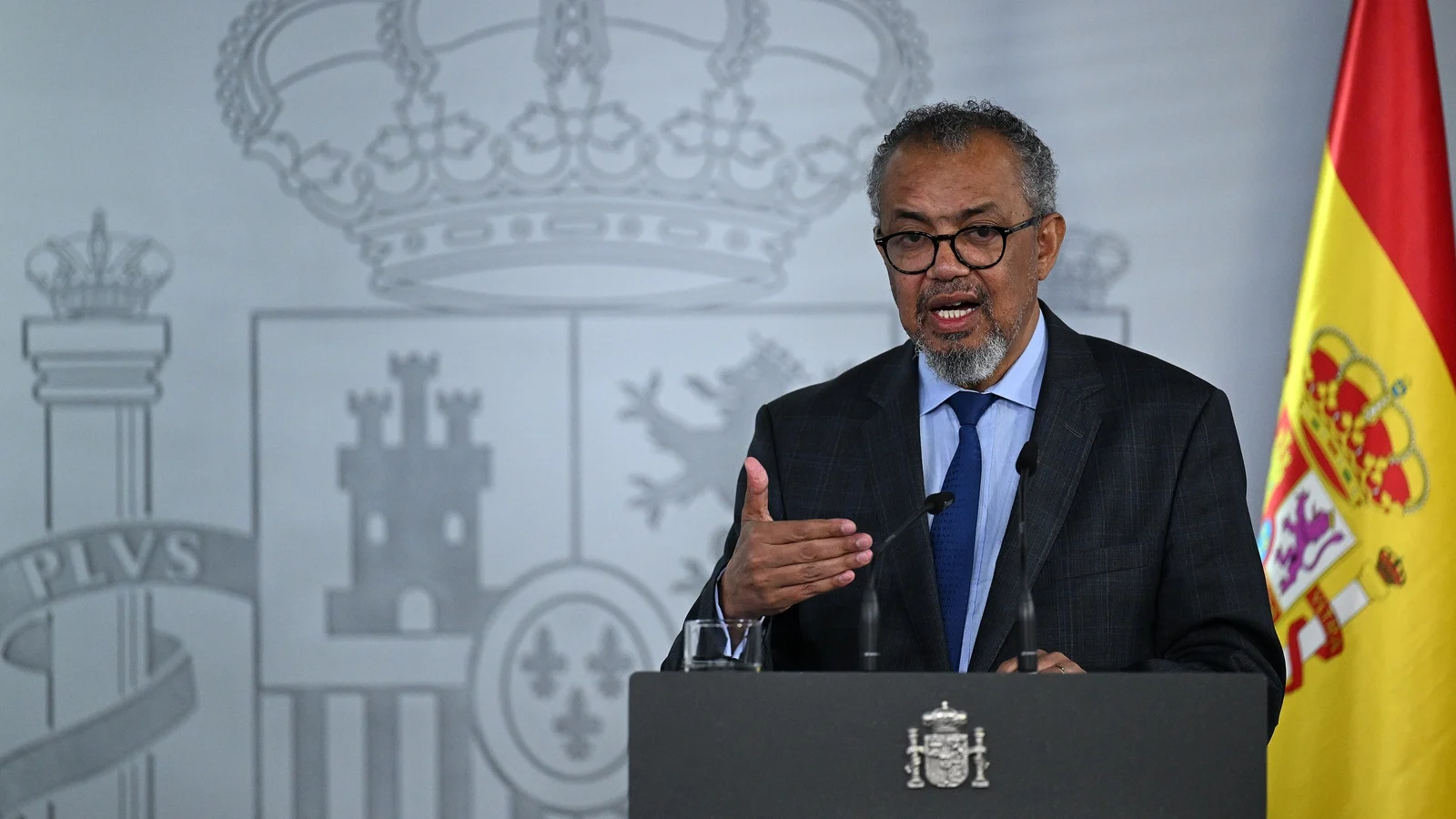
“Our work is not over,” WHO chief Tedros Adhanom Ghebreyesus told reporters in Madrid, a phrase that felt less like a warning and more like a pledge. “There is no sign that we are seeing the start of a larger outbreak,” he added, but he also reminded listeners that the Andes strain — the variant implicated in these cases and one of the few hantaviruses known to spread between people — can incubate for up to six weeks. That long tail means we might hear of more cases in the weeks ahead.
“We must not dismiss the possibility of spread simply because we want to avoid panic,” a senior WHO epidemiologist said off the record. “Prudence now saves panic later.”
What we know about hantavirus — and what we don’t
Hantaviruses are not new. They are a family of viruses carried by rodents, transmitted to humans through contact with urine, faeces or saliva — usually when contaminated dust is stirred up. The Andes virus, indigenous to parts of Argentina and Chile, is notable for its ability to transmit from person to person, albeit inefficiently compared with respiratory viruses like influenza or SARS-CoV-2.
There is no vaccine and no specific antiviral approved for hantavirus infections. Treatment is supportive: careful intensive care, oxygen, sometimes extracorporeal membrane oxygenation for the most severe pulmonary cases. Historically, hantavirus pulmonary syndrome has carried a high case-fatality rate — often cited in the range of 30–40% — though outcomes can vary widely depending on speed of medical care and the patient’s underlying health.
Numbers and measures
More than 120 passengers and crew were evacuated from the Hondius to the Canary Islands and flown home to a handful of countries. Among the affected nationalities are the United States, the United Kingdom, France, Spain, Switzerland and the Netherlands. Dutch authorities reported that the first flight of 26 evacuees tested negative on arrival in the Netherlands but are still subject to strict quarantine and monitoring.
WHO guidance for contacts of potential hantavirus cases is sober and stringent. The recommended quarantine period is 42 days — six full weeks — reflecting the long incubation window. During that time, high-risk contacts are to be monitored daily for fever and respiratory symptoms. Countries are applying these rules in different ways: some impose mandatory isolation, others recommend home quarantine and active follow-up by public health teams.
- Incubation period: up to 42 days
- Confirmed cases from the ship: 7
- Probable case: 1
- Deaths: 3
Across borders and political lines
The Hondius voyage began in Argentina on April 1, intended as a leisurely crossing to Cape Verde. Instead, it became a test of international cooperation. Cape Verde refused to accept the ship; Spain allowed it to anchor off the Canary Islands for evacuation, a decision that drew fierce local opposition in the archipelago. Spanish Prime Minister Pedro Sánchez framed the choice as moral: “The world does not need more selfishness or more fear. What it needs are countries that show solidarity and want to step forward,” he said. His words landed like a gauntlet.
“We were nervous,” said Lucía Martín, a nurse in Santa Cruz de Tenerife who volunteered to help screen evacuees. “People here remember the pandemic — we remember the hospitals filling up. But we also remember how neighbours showed up for each other. That’s why we helped.”
Navigating where to take the ship and how to repatriate passengers became a diplomatic puzzle, played out alongside medical triage. Nations weighed public fear against humanitarian responsibility. In the end, coordinated airlifts and quarantine arrangements saw evacuees dispersed to their home countries under a patchwork of protocols.
Onboard voices
For those who were aboard the Hondius, the experience was unnerving and surreal. “One day we were watching dolphins, the next day everything changed,” said a British passenger, who asked not to be named. “You realise how small the world actually is — and how quickly things can pivot.”
Another passenger, a retired teacher from the Netherlands, described the ordeal as a lesson in patience. “You can’t rush biology,” she said with a half-smile. “You can only watch, wait, and trust the people who know more than you.”
Why this matters beyond one ship
There is a tendency, post-Covid, to either over-amplify or shrug off new disease alerts. Both reactions are dangerous. The Hondius incident is a microcosm of broader issues: zoonotic spillovers are likely to become more frequent as human activity encroaches on animal habitats; global travel can accelerate spread; and the patchwork of national policies can complicate coordinated responses.
What the event also highlights is the fragile balance between public health and human dignity. Quarantine is a blunt instrument. It protects populations, yes — but it also isolates people who are frightened and, in many cases, innocent. How we contain disease matters as much as whether we contain it, because the societal trust that permits public health measures to work is earned, not given.
Questions for the reader
What are we willing to sacrifice in the name of safety? How do we balance the urgency of protecting populations with the rights and well-being of individuals? And how do we keep global systems nimble enough to respond without throwing up the default of closing borders?
These are not rhetorical exercises. They are the policy questions national governments and international bodies will keep circling as they monitor passengers, test contacts, and prepare the Hondius for a scheduled disinfecting in the Netherlands.
Looking forward
For now, the message from Madrid, from WHO briefings and from health ministries is one of cautious calm: diligent contact tracing, adherence to quarantine for up to 42 days, and robust monitoring of anyone who might have been exposed. If that sounds tedious, it is — but it is also the best available path between panic and inaction.
“This episode should remind us of two things,” said an infectious-diseases specialist in Barcelona. “First, nature doesn’t give us time to rehearse. Second, the infrastructure we have built in the last decades — surveillance, labs, international cooperation — still works, imperfectly but effectively. We must use it.”
So we watch the reports, follow the quarantine advice, and wait for the incubation clock to wind down. Along the way, there will be stories of sorrow, of frustration, and maybe of quiet heroism — the nurse who volunteered in Tenerife, the doctor who managed a ventilated patient, the crew that stayed aboard to help. The Hondius has become a moving lesson in how we meet contagion: with science, solidarity, and, above all, patience.