A northern town holds its breath
On a damp morning in Makerfield, where the terraced houses sit shoulder to shoulder and the chip shops open before dawn, the news arrived like a telegram from a different political age: an MP would step aside so a mayor could return to Westminster.
It is the kind of dramatic choreography that fills newspapers and fuels pub debates, and yet the mood on the ground was less theatre, more practical worry. “We’ve had enough of grandstanding,” said Lisa Bramwell, a nurse who lives in a semi near Wigan. “If someone’s coming back to fight for ordinary folks’ bills and bus services, fine. If it’s to stir things up in Westminster—less so.”
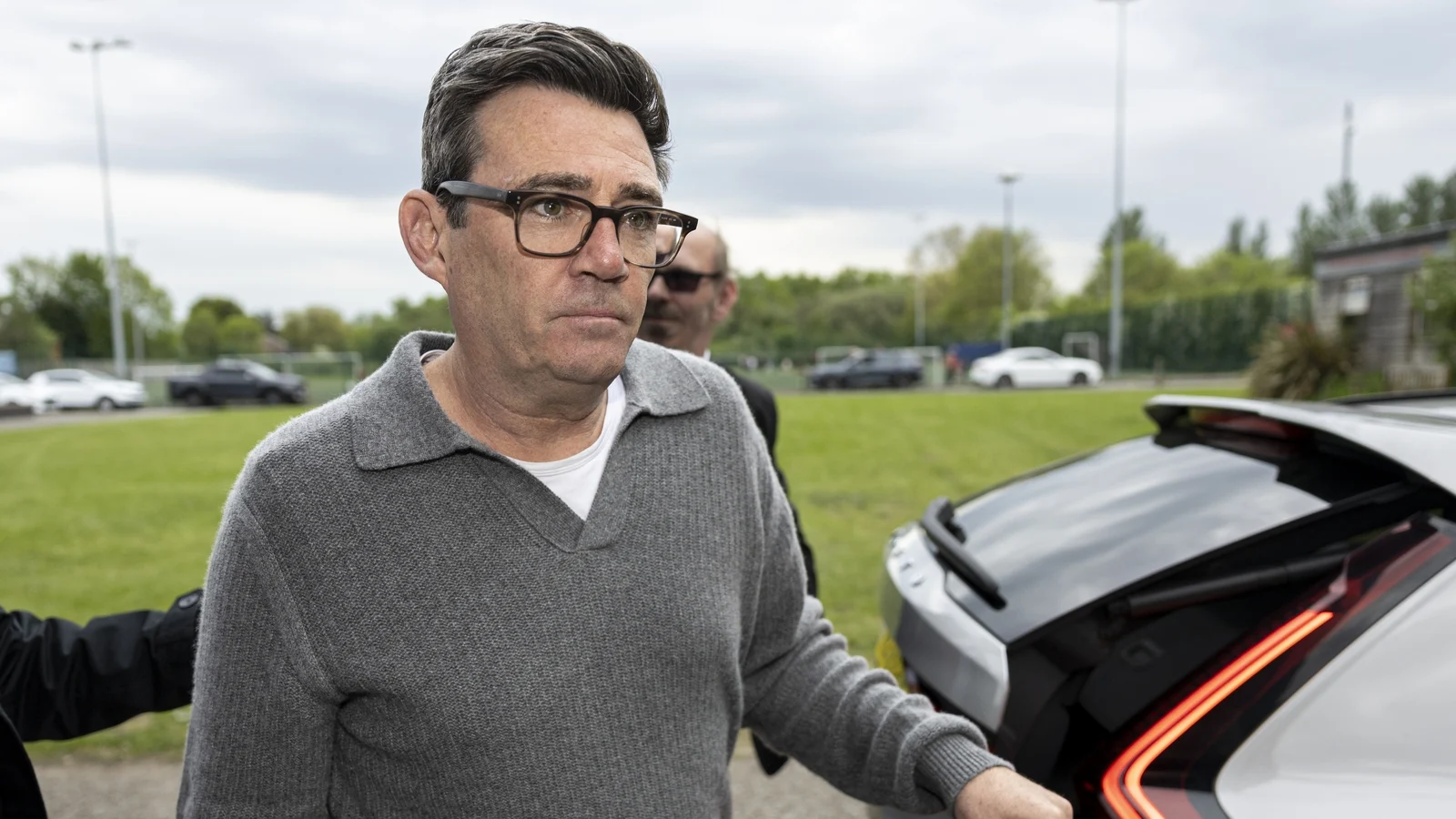
Josh Simons, the Labour MP for Makerfield, announced he would resign his seat to clear a path for Andy Burnham — the charismatic Greater Manchester Mayor whose name has been floated around Labour circles for years as a potential challenger to the party’s national direction. In a terse social media post Simons framed his decision as urgent and moral: the country, he said, “needs radical change and fresh leadership.”
Why one resignation could reshape national politics
On paper, the swap looks simple: a sitting mayor, high-profile and regionally popular, asks permission to stand in a safe Labour seat; a local MP steps down to make it possible. In practice, the move is a crack in a brittle political landscape. Burnham’s stated aim — to “bring the change we have brought to Greater Manchester to the whole of the UK” — is also a direct challenge to the party leadership. If he wins a by-election, he would be back in Parliament at a moment when Labour is, by many measures, unstable.
That instability is not hypothetical. In the wake of a punishing national election result last week, calls have mounted for Prime Minister Keir Starmer to step down. Wes Streeting, until recently Health Secretary, tendered his resignation saying he could not in good conscience remain in a cabinet he no longer trusted. Several junior ministers also quit in quick succession. Some 87 MPs had publicly urged Starmer to quit, according to the count circulating in Westminster — a figure that underlines the depth of dissent but not its cohesion.
“This isn’t about personalities alone,” said Dr Amina Shah, a political sociologist at the University of Manchester. “It’s about a broader identity crisis in the party: what does Labour want to be after successive electoral blows? A return to regional leaders like Burnham is one answer; another is renewal from within Parliament.”
Tension on all sides
Downing Street, while braced for turbulence, has given one signal of restraint: sources indicate Starmer will not attempt to block Burnham from becoming Labour’s candidate in the Makerfield by-election. A close ally of the prime minister put it bluntly: “Keir’s priority now is party unity. He doesn’t want to close doors that might reopen them.”
Yet that handshake of restraint sits alongside warnings. Work and Pensions Secretary Pat McFadden publicly cautioned that any unnecessary by-election carries “political risk.” “Every contest is a test,” he told BBC Radio 4’s PM programme. “We must be mindful of local dynamics and the broader message we send.”
And if Burnham walks back into the Commons, it won’t be into a quiet arena. The party’s internal rules mean the National Executive Committee (NEC) will have the final say on candidate shortlists — and the NEC previously blocked Burnham from running in the Gorton and Denton by-election, where the Greens ultimately picked up the seat.
Makerfield’s local colour and surprising fault lines
Walk Makerfield and you’ll find reminders of continuity and change. Community halls display posters for the Wigan Warriors; Old Labour songs still ride the chorus at a funeral wake. And yet the local elections this May were a warning bell: of the ten wards in Wigan Council that sit within the Makerfield parliamentary boundaries, Reform UK candidates won every single one.
“We didn’t expect them to sweep like that,” admitted Councillor Mark Ellis, who has represented a nearby ward for two decades. “But this constituency shows how sticky national narratives are when they land on people who feel left behind. It’s not just about policy — it’s about trust.”
Nigel Farage, leader of Reform UK, has already signalled a full-blooded contest: “We look forward to the contest and we will throw absolutely everything at it,” he said, lowering the threshold for what might otherwise have been imagined as a walkover for Labour.
Can Burnham win this fight?
Historically, Makerfield has been a Labour fortress. The constituency has returned Labour MPs continuously since it was created in 1983. Josh Simons won in 2024 with a majority of around 5,000; yet that margin may be misleading. Local election patterns suggest an appetite for alternatives — or at least for protest votes that could coalesce under a Reform banner if turnout shifts.
“Majorities are snapshots,” said Sean O’Leary, a veteran campaign strategist. “You don’t win a by-election because you’re famous — you win because you have a campaign infrastructure, volunteers who knock on the doors, and a message that lands on the kitchen table. Burnham has a national profile and he’s popular in Greater Manchester. But so did others who’ve come unstuck when national moods turn.”
Burnham’s tenure as mayor is often held up by supporters as a blueprint: devolution in practice, coordination on transport and health, and a hands-on approach that stitched some local services back together. Opponents note that running a combined authority is different from running a party or a country. His return to Parliament would mark a transition from managerial mayor to national contender — with all the new lights and shadows that entails.
Who else might step forward?
Should a full-blown leadership contest erupt, names being tossed into the ring include former deputy prime minister Angela Rayner — who was recently cleared by HMRC of deliberate wrongdoing over tax affairs — Energy Secretary Ed Miliband, and armed forces minister Al Carns. But as Deputy Prime Minister David Lammy and others have pointed out, the arithmetic of support matters: few appear to have the 81 MPs needed to launch a formal challenge, and even fewer a clear path to majority backing.
“A leadership test is as much about organisation as it is about vision,” observed Dr Shah. “Someone could be the most compelling speaker in the country, but without the machine — and without discipline — it won’t cohere.”
Questions for voters and the wider party
So here’s the question that settles like mist over Makerfield’s streets: what do voters want from Labour now? Do they seek a return to the community-centred governance they saw in Greater Manchester? Or do they want a party reborn from parliamentary ranks, led by the familiar faces in Westminster?
There are no tidy answers. But the stakes are clear: a by-election in a long-standing Labour seat could either consolidate Burnham’s ambitions and offer his supporters a clear narrative of renewal, or it could expose fractures that feed the political opportunism of rivals. Either way, the story unfolding in this corner of Greater Manchester will be watched closely across the UK — and beyond — as a test case of how regional politics can redraw national lines.
Will Makerfield become a stage for rebirth or a mirror showing Labour’s limits? Step inside the conversation — listen to those in the chip shop, the council chamber, and the hospital corridor — and you’ll find pieces of an answer. For now, the town waits, and the party holds its breath.