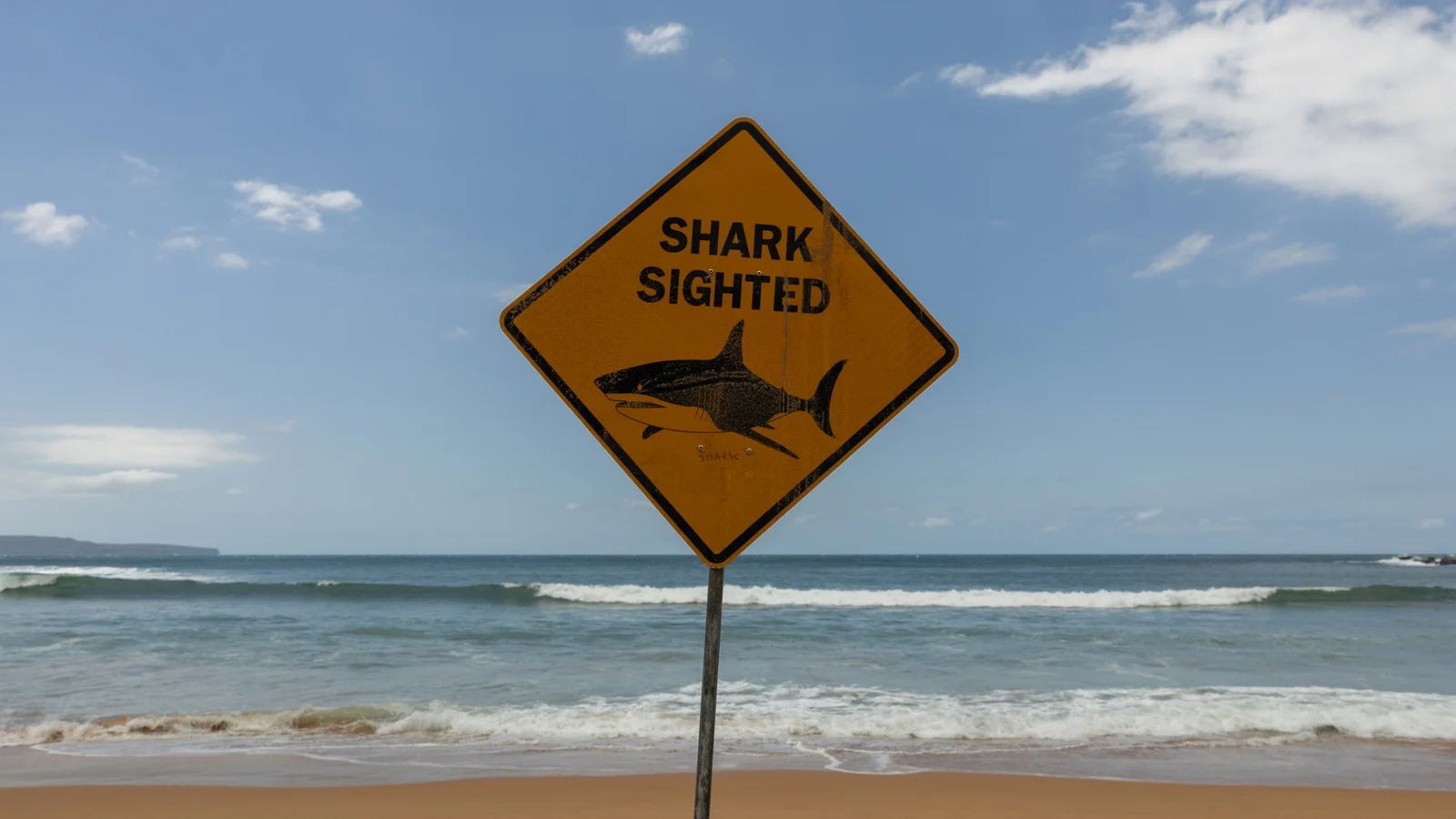
Morning Calm Shattered: A Fatal Shark Attack off Rottnest Island
The turquoise ribbon of ocean that laps Rottnest Island was, until this morning, a postcard scene: bicycles clattering on limestone paths, quokkas peeking from scrub, ferries disgorging sunburnt tourists. By 10am, that ordinary, joyous bustle had a dark, jagged edge.
Police and regional authorities confirmed that a 38-year-old man was fatally bitten by a great white shark just off the island’s shore, near Perth. The attack happened shortly before 10am local time; emergency crews worked urgently but, officials said, “the man was unable to be revived.”
Witnesses, First Responders, and a Community in Shock
“It was awful — you could see people on the ferry looking around like it wasn’t real,” said Sarah Nguyen, who runs a day-tour business on the island. “We tell families to enjoy the water and the wildlife; no one thinks about something like this.” Her voice cracked as she described seeing emergency boats slicing through a sea that had moments before been benign and bright.
A Western Australia Police spokesperson urged caution around the area and confirmed the Department of Primary Industries and Regional Development had identified the animal as a roughly 4-metre great white. “Our thoughts are with the family at this tragic time,” the spokesperson added.
Local fishermen and long-time island residents echoed the grief. “I’ve been here for forty years,” said Tom Riley, a retired skipper. “The ocean changes its mind sometimes. We respect it, but this is heavy.” Residents described a solemn island atmosphere — shops closing early and an unusual quiet falling on a place usually full of laughter.
Numbers, History, and a Growing Conversation
Shark incidents around Australia have long been tracked and debated. According to a historical database of encounters dating back to 1791, nearly 1,300 interactions have been recorded nationwide, with more than 260 resulting in fatalities. These figures remind us that while attacks are rare in comparison to the number of people who enter the water every year, the consequences can be devastating for individuals, families, and communities.
This is Western Australia’s first fatal attack since March of last year, when a surfer was mauled off a remote beach. Earlier this year, the country also mourned a 12-year-old boy killed in Sydney Harbour in January — one of four attacks that unfolded over two days and prompted the closure of dozens of city beaches. Such concentrated spates of incidents have re-energised debates about public safety, animal conservation, and coastal management.
What Scientists Are Watching
“We are seeing shifts in shark behaviour that likely reflect broader environmental changes,” said Dr. Emily Carter, a marine ecologist who studies apex predators off Australia’s south-west coast. “Rising sea temperatures alter where prey species congregate. At the same time, more people are in the water than ever before. It’s a collision of trends.”
Dr. Carter points to decades of warming in the Southern Hemisphere as a potential driver of altered migratory paths. “Sharks follow food. If their prey moves closer to shore or into new regions, so do the predators. We also have increased coastal development, which changes habitats.” She stressed that understanding these patterns requires careful, long-term monitoring rather than fear-driven policy.
Mitigation, Controversy, and Community Responses
In response to attacks, authorities often adopt a mix of measures: temporary beach closures, increased surveillance using drones and helicopters, the deployment of SMART drumlines, and, in some regions, traditional shark nets. Each option carries trade-offs.
- Drone surveillance and aerial patrols can offer early warnings without harming wildlife.
- SMART drumlines aim to capture and relocate sharks, though critics say relocation is stressful and not always effective.
- Shark nets reduce access to open water for all marine life and are controversial among conservationists.
“We need evidence-led strategies,” said Dr. Carter. “Panic policies can end up harming the very ecosystems we rely on. And they rarely eliminate risk entirely.”
Conservation groups stress that great whites and many other shark species are vulnerable or protected in Australian waters, a status born of decades of overfishing. “Sharks play a crucial role in ocean health,” said Maya Singh of the Marine Guardians Collective. “They help keep fish populations balanced. Killing them recklessly doesn’t make beaches safer in the long run.”
On the Ground: Practical, Human Responses
Authorities have urged the public to take “additional caution” in the waters around Rottnest Island. Boat operators rerouted pleasure cruises temporarily, and lifeguards increased their presence at popular beaches. The ferry companies began broadcasting safety messages to passengers.
For friends and family of the victim, details remain raw and intensely personal. “He loved the sea,” a neighbour who asked not to be named told a local paper. “He was the kind of man who would help someone with a broken down dinghy. It’s cruel and sudden.” Community vigils were planned as friends gathered to remember a life that was abruptly cut short.
Beyond the Headline: What Should We Ask Ourselves?
When a headline like this hits, it prompts familiar questions: How do we stay safe? How do we protect marine life? How much risk are we willing to live with in exchange for the freedom of coastal recreation? These are not just technical debates; they are moral and cultural choices.
Who should decide what measures to adopt — scientists, policymakers, local communities? And how can tourism-dependent places like Rottnest strike a balance between welcoming visitors and safeguarding residents?
Looking Ahead
The ocean is a place of immense beauty and real danger. The fatal attack off Rottnest Island is a heartbreaking reminder of that complexity. As mourning gives way to discussions about policy and prevention, the island’s community — like coastal communities across the world — faces hard questions about coexistence with creatures that have lived in these waters far longer than we have.
For now, the advice is simple: respect the warning flags, heed local guidance, and enter the water with eyes open. The sea is generous and indifferent; it rewards humility and punishes hubris. In the days to come, Rottnest will try to find its equilibrium again. How we reshape our relationship with the ocean will determine not only the safety of beachgoers but the health of marine ecosystems for generations to come.