Smoke over the citrus groves: new strikes in southern Lebanon as fragile truce stutters
On a sun-scorched afternoon in southern Lebanon, the ordinary rhythms of village life — children playing in dusty alleys, old men sipping coffee under awnings, women hanging laundry scented with za’atar — were ruptured by a sequence of distant booms. By nightfall, sirens had replaced market chatter. Families loaded cars and trucks with belongings, and a steady stream of people headed north toward the port city of Sidon and the looming skyline of Beirut.
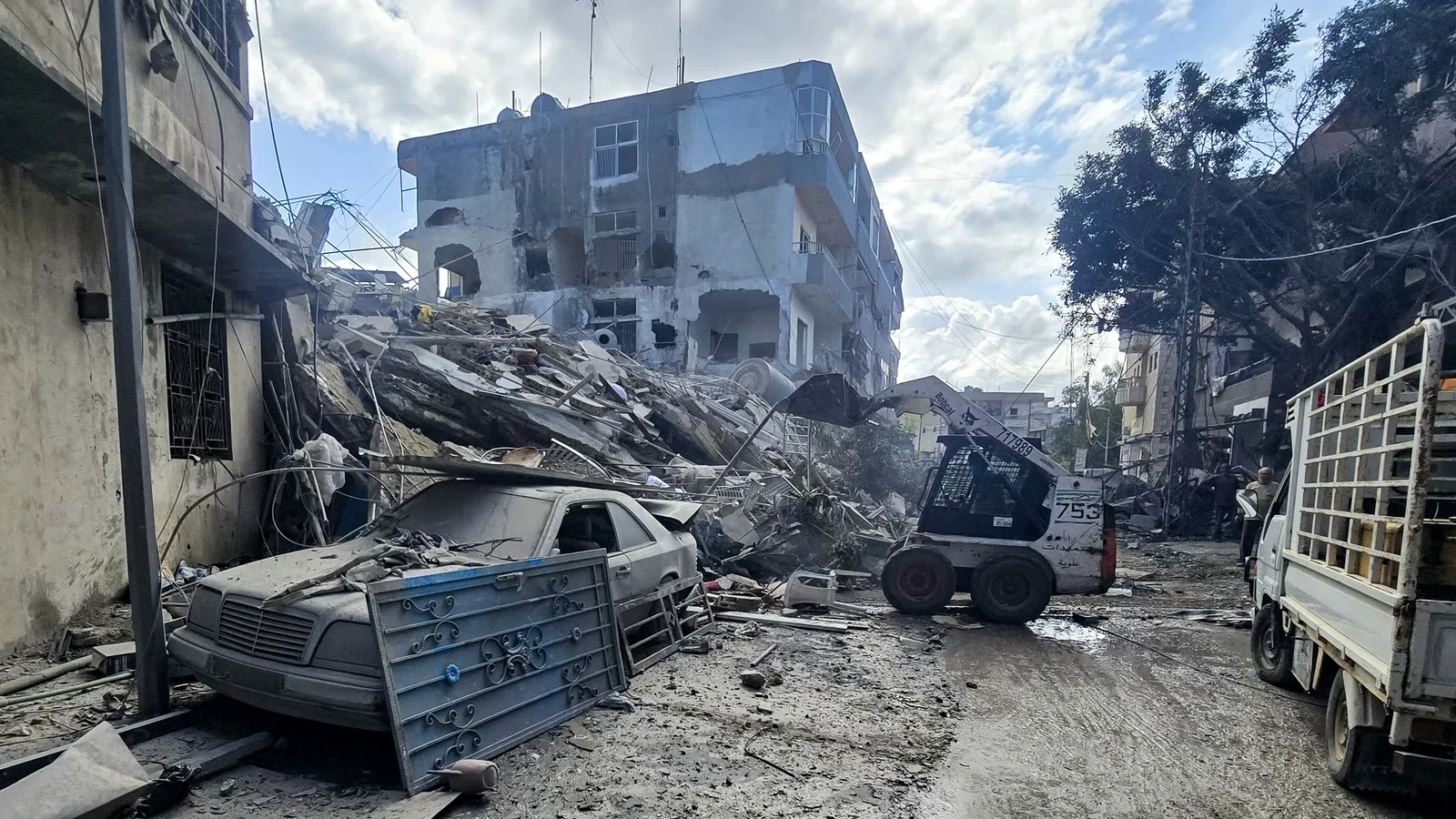
The Israeli military said it had launched fresh strikes against what it described as Hezbollah infrastructure across several zones in the south. Lebanon’s state news agency reported attacks on at least five villages and, with that, another round of displacement—families fleeing farms and homes that have already known too much loss.
What happened — and why it matters
This escalation comes just a day after officials from Israel and Lebanon announced an extension of a truce negotiated in Washington. The ceasefire, which first took effect on 17 April, was extended for another 45 days as diplomats sought to keep an already fragile calm intact. But the strikes underline how rapidly a brittle peace can fray.
“We welcomed the additional days of silence,” said a member of Lebanon’s negotiating delegation in Washington in a statement shared by the presidency. “This breathing space matters for civilians, for institutions, for a political track toward some form of stability.” Yet the breath is shallow. Hezbollah, backed by Iran and deeply embedded in southern Lebanon both politically and militarily, has denounced the talks and continued to claim responsibility for attacks claimed to be in response to Israeli moves.
Across the conflict, Lebanese authorities say more than 2,900 people in Lebanon have been killed since the fighting escalated, including more than 400 since the truce began. The Israeli military also reports losses: at least 19 soldiers have died in southern engagements since the clashes widened this spring.
Voices from the ground
“We left everything—our goats, the garden, even the old radio,” said Amal, a 47-year-old woman from a village near Nabatieh who arrived in Sidon with two children and a plastic satchel of clothes. “You never think it will happen again here. But every time you hear the planes, you remember.” Her hands trembled as she folded a small blanket over a child asleep on her lap.
“The warning came by text and a drone voice telling nine villages to evacuate,” said Jamil, a taxi driver who ferried families toward Sidon. “People moved from the hills like a river of dust. There is fear, yes, but also a strange calm — the kind you feel when you must keep going for the next person.”
An analyst in Beirut, who asked not to be named for safety reasons, framed the strikes as a grim reminder of the limits of diplomacy in a region where statecraft and armed non-state actors coexist uneasily. “Talks can create windows,” they said, “but they can’t close doors that are kept open by local militias, external patrons, and the memory of recent bloodshed.”
Sidon, Nabatieh and the texture of the south
To understand the human geography here, imagine a coastline of olive groves and sea-swept markets, then turn inland to terraces and orchards that feed families for generations. Sidon — Saida in Arabic — is an ancient port city whose glassmakers and soap-makers have for centuries traded with the wider Mediterranean. Nabatieh sits deeper in the hills: a place of small farms, lamb dinners, and a strong local culture where political allegiances can determine everything from who you marry to where you shop.
When military notices are issued — warning residents to evacuate specific villages — they don’t simply ask people to move. They displace livelihoods, school schedules, funerals, prayers. They force choices: stay and risk the next strike, or carry your life down the road and hope for a shelter that can take you in.
Numbers that frame a tragedy
- Ceasefire first took effect: 17 April.
- Truce extension agreed: 45 days (announced after talks in Washington).
- Lebanese death toll from the conflict (reported by Lebanese authorities): more than 2,900, including over 400 since the truce.
- Israeli military losses reported in southern Lebanon: at least 19 soldiers since the latest escalation.
Statistics help map the scale, but they fail to capture the small, visceral details: the neighbor who stayed behind to tend a dog, the herder who worries about olive harvests gone uncollected, the child asking whether home will still be there tomorrow.
Diplomacy under strain
The Washington talks were notable: they marked a rare, direct engagement between Israeli and Lebanese delegations after decades without formal diplomatic ties. For some Lebanese officials, the U.S.-facilitated security track represented a pragmatic attempt to keep bloodshed contained and give civilian authorities a breathing space to rebuild institutions eroded by years of instability.
“This isn’t about love between capitals,” said a diplomat familiar with the discussions. “It’s about avoiding open war that neither side wants and that would devastate a region already teetering.”
But Hezbollah, which holds significant sway in southern Lebanon and is backed politically and materially by Tehran, has publicly resisted the diplomatic track. Its leaders have continued to frame the fight in terms of resistance and deterrence, a rhetoric that resonates with parts of Lebanese society still haunted by past incursions and perceived injustices.
What should readers take away?
In a world where headlines flip by the minute, there is a compelling human truth to remember: peace is not only the absence of missiles; it is the patient, fragile labor of rebuilding trust, protecting civilians, and stitching together futures. When a truce is extended by 45 days, that is not victory. It is an interval — a pause in which choices must be made.
Ask yourself: what kind of pressure would you accept to keep your family safe? How much does the fate of a distant negotiation depend on local shopkeepers and farmers who have already lost too much? These are not abstract questions. They are the questions that shape whether Sidon’s markets return to life, whether Nabatieh’s olive harvests are gathered, whether a child hears only the call to prayer and not the whine of planes.
For now, the highways are lines of hope and fear. For now, diplomats will try to turn hours into weeks, and weeks into months of calm. But the south will keep its own time — measured not in agreements signed in distant conference rooms but in the slow return of everyday rhythms: the hum of the souk, the laughter of children, the smell of coffee at dawn.
What happens next depends as much on those rhythms as on what is written in any communiqué. And in that uncertain space between diplomacy and the next blast, ordinary people continue to live, move, and make choices that will shape the course of this embattled landscape for years to come.