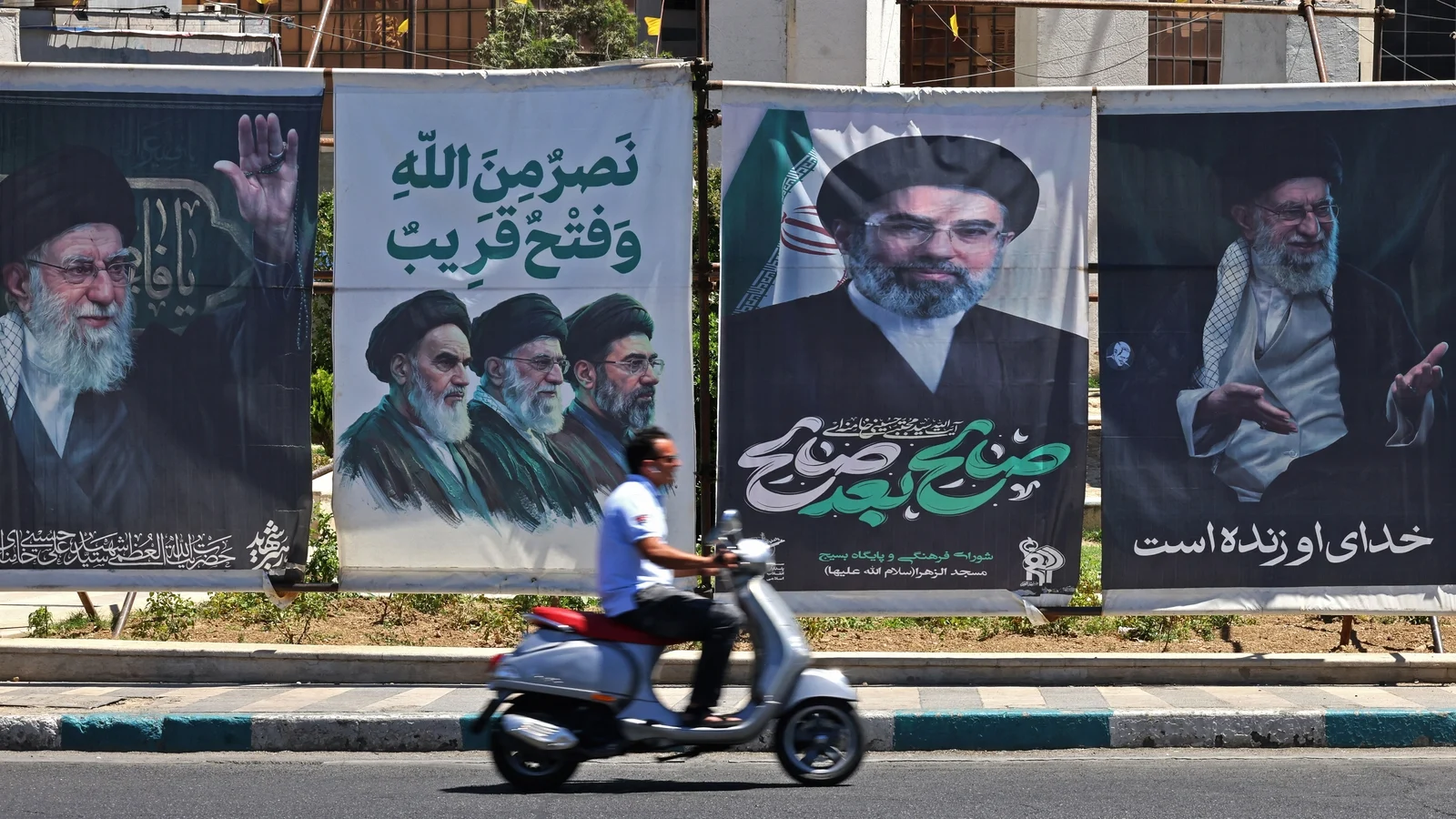
Iran’s top negotiator has delivered a stark message to Washington: Tehran says it will not sign off on any agreement with the United States unless it guarantees what Iran calls the full rights of its people, warning that the US cannot be trusted.
Mohammad Bagher Ghalibaf’s comments surfaced as fresh reports suggested US President Donald Trump had returned a revised, “tougher” peace proposal to Iran, highlighting how much distance remains between the two sides.
Even limited changes to the draft could push back any breakthrough aimed at formally ending the Middle East war and reopening the Strait of Hormuz, which has been closed for weeks amid tense negotiations punctuated by sharp exchanges and occasional violence.
Iran was already in talks with the US over the future of its nuclear programme in February when US and Israeli air and missile strikes killed much of the Islamic republic’s senior leadership.
Tehran continues to maintain its nuclear activities are purely civilian, but the United States and its Western allies believe the programme is intended to give Iran the ability to build a weapon.
The New York Times and Axios reported yesterday that Mr Trump had sent back a new, “tougher” framework for Iran to consider, though the specifics were not clear.
Mohammad Bagher Ghalibaf said no agreement will be approved unless certain rights of Iranians are upheld
Mr Trump has said his main objectives include preventing Iran from developing any nuclear weapon and restoring access to the Hormuz shipping lane, which Iran has blockaded since the conflict erupted.
“The one guarantee that I have to have is that there will be no nuclear weapons. They’ve agreed to that, and it was very interesting,” he told his daughter-in-law Lara Trump during an interview on her Fox News show.
Iran has previously questioned Mr Trump’s claims, and negotiators remain divided on core issues.
“We will not approve any agreement until we are certain that the rights of the Iranian people have been upheld,” Mr Ghalibaf said in a video aired on state television.
Tasnim news agency said negotiations over the wording have not stopped, reporting that exchanges on the text “are ongoing, with both parties regularly proposing amendments”.
“No agreement has yet been finalised, and it is possible that any agreement will be rejected,” it added.
Iran has said it wants $12 billion in frozen assets released before entering substantive talks on its nuclear programme. Iranian media also reported that Tehran dismissed earlier Trump remarks that its enriched uranium stockpile would be destroyed, calling them “baseless”.
Flare-ups
Washington has also cast the war as an effort to dismantle Iran’s ballistic missile programme. In April, General Dan Caine, the top US military officer, said more than 80% of Iran’s missile facilities had been hit.
But CNN reported today that an analysis of satellite imagery found Tehran has since managed to excavate 50 of 69 tunnel entrances struck by US attacks across 18 underground missile sites.
Daily strikes across Iran and the Gulf stopped after Tehran and Washington agreed to a temporary ceasefire in April, yet intermittent attacks have continued.
Iran’s Revolutionary Guards shot down a US military drone “about to enter Iranian territorial waters”, Iran’s state broadcaster IRIB said, although Washington has not confirmed the claim.
Latest stories from the Middle East
Despite the tensions, diplomacy has pressed on, with Mr Trump facing pressure to produce a deal that would end competing US and Iranian blockades around the Strait of Hormuz—an essential corridor for global oil shipments.
After Mr Trump said Iran would impose “no tolls” on vessels crossing the strait under any agreement, Iran’s Fars news agency quoted sources saying “no such clause” was included.
On Saturday, Iran’s ISNA news agency cited lawmaker Alireza Salimi as saying a plan for Iranian “management and sovereignty” over the strait, including “administrative fees”, would soon be presented to parliament.
Iran has also insisted that any peace deal address Lebanon, where heavy fighting continues. Beirut has called for “a swift and real ceasefire” and accused Israel of pursuing a “scorched-earth policy” as it expands operations against Iran-backed Hezbollah.
The UN Security Council will convene an emergency meeting tomorrow on the widening Israeli offensive after the capture of the strategic medieval castle of Beaufort, diplomatic sources told AFP.