A ticking clock over the Gulf: fear, fury and a fragile ceasefire
There is a peculiar hush in the desert city of Al Dhafra at certain hours—an arid stillness punctured by the distant hum of generators, the low patter of workers’ boots and, increasingly, the thin electric anxiety of people watching headlines. On the edge of that landscape sits the Barakah nuclear power plant, an emblem of a country that has tried to turn sand into steady energy. On a recent night, a drone strike set a generator ablaze outside the plant’s inner perimeter and sent a jolt through the Gulf: the conflict many hoped would be contained has found new places to burn.
“We went out because we smelled smoke,” said Fatima al-Mazrouei, a schoolteacher in a nearby town. “My children were terrified. They asked me, ‘Is the world ending?’ How do you answer a child when the maps keep getting redder?”
The incident—officials in Abu Dhabi say two other drones were intercepted—arrives against a backdrop of stalled diplomacy. The war that erupted more than two months ago, following US and Israeli strikes on Iran, has not only scarred landscapes but rerouted economies and lives. There was a fragile ceasefire that began weeks ago, yet the bargaining table remains an expanse of unmet demands and raw expectations.
What happened at Barakah — and why it matters
Abu Dhabi’s media office said the drone struck an electrical generator outside the inner perimeter of the Barakah plant and that radiological safety levels were unaffected. The International Atomic Energy Agency (IAEA) announced that it was tracking developments closely. The UAE defence ministry reported the downing of two other drones, adding that the devices were launched from the “western border,” though officials did not provide further detail.
Barakah is not some remote experiment; it is the UAE’s central bet on nuclear power. Its four APR-1400 reactors symbolize decades of planning to secure domestic electricity and diversify away from hydrocarbons. To see flames at a generator there is to glimpse how the present conflict threatens to reach not just military targets but the vital veins of civilian life.
“Attacking a nuclear facility—even if it was an electrical unit outside the core—is a red line for so many,” said Dr. Leila Hassan, a regional security analyst who has worked with energy firms across the Gulf. “The material risk may be low in this instance, but the psychological and geopolitical fallout is enormous. People start to worry about things you can’t easily measure—supply chains, insurance premiums for shipping, the calculus of allied responses.”
Diplomacy teetering — and a president’s warning
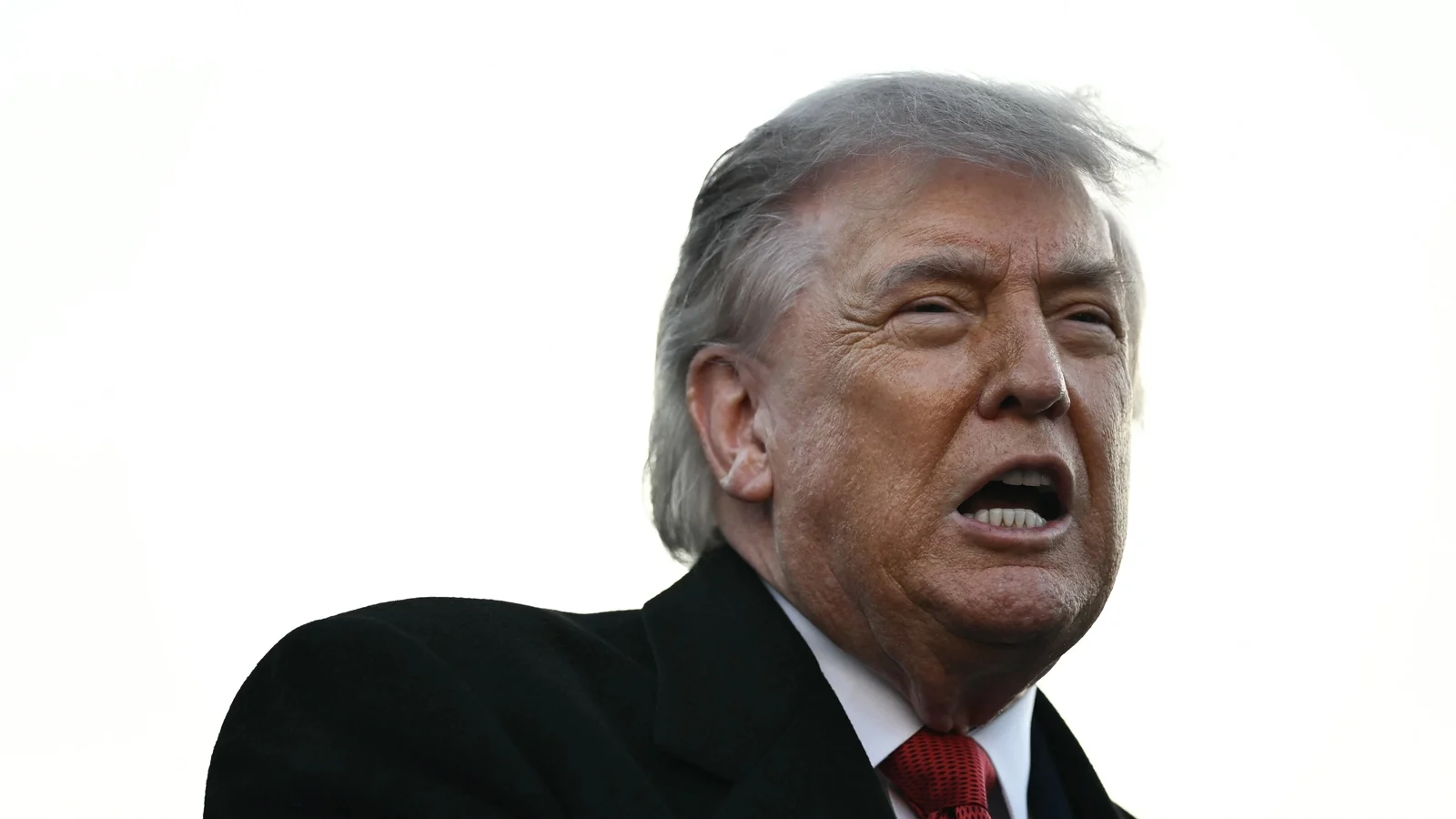
At the same time as the flames at Barakah, statements on social media and phone lines crackled with urgency. The US president warned Iran the “clock is ticking,” threatening consequences if Tehran did not move quickly toward a peace agreement. The White House said the president had spoken with Israeli prime leadership to discuss the situation. Tehran countered, saying that the latest US response to its proposed agenda for talks contained no meaningful concessions.
On the table are competing lists of demands that, as of now, do not overlap. The United States has publicly called on Iran to roll back parts of its nuclear program and remove pressure on the Strait of Hormuz. Iran, for its part, wants compensation for war damage, an end to what it calls a US blockade of its ports, and a halt to hostilities across multiple fronts—including Lebanon, where fighting with Hezbollah has caused further bloodletting.
- US position: dismantle nuclear capabilities, reopen Hormuz to free navigation.
- Iran’s position: compensation for damage, end to port blockades, cessation of hostilities in Lebanon and elsewhere.
“You can feel the negotiation slipping into a logic of threats,” said Karim Najafi, a former diplomat who worked on Gulf security issues. “When the only certainties are ultimatums, compromise becomes scarce.”
The Strait of Hormuz: a narrow choke-point with global consequences
Beyond the rhetoric and regional sorrow, the world watches a narrow, shimmering artery of commerce. The Strait of Hormuz handles roughly one-fifth of the world’s seaborne oil exports—figures vary but most estimates place the flow at about 20% of global seaborne oil. Disruption here ripples across markets, sending prices spiking and insurance costs higher, directly affecting economies already under strain from inflation and supply-chain snarls.
Recent months have seen the largest oil supply shock in living memory tied to this conflict. Shipping companies have re-routed, insurers have raised premiums, and buyers have scrambled for alternatives. The US temporarily announced and then suspended a naval mission intended to protect passage through the strait—48 hours of movement that may yet be the harbinger of a new normal for maritime security in the region.
The human ledger: numbers, names, and the shadow of loss
Concrete numbers are grim and incomplete. Thousands on multiple fronts have been killed—civilians, fighters, and people whose lives were shaped by markets, mosques, and schools. Lebanon, Iran, Israel and other affected areas have all sustained heavy casualties. On Friday, an agreement between Israel and Lebanon extended a ceasefire in their theatre by 45 days, but the truce has not meant a return to safety for many.
“We bury people every week,” said Hassan Awad, who runs a small bakery in southern Lebanon. “Weeks feel like years. The children don’t know what normal is anymore.”
And yet, amidst tragedy, life carves out small, stubborn rhythms: fishermen mending nets, markets reopening with cautious optimism, mothers exchanging recipes while quietly tallying which news to tell their children and which to hide.
Where do we go from here?
If you are reading this from outside the region, ask yourself: what would a wider escalation mean for your kitchen table? For fuel prices? For refugees on the move? For alliances being tested in capitals around the world? This is not a local problem alone; it is a global nexus where energy, security and humanitarian concerns converge.
Diplomatic work is unfolding in many channels—public and shadowed—and the International Atomic Energy Agency’s watchful presence at Barakah will be one element among many. But diplomacy will need more than statements. It will need tangible steps: verified de-escalation measures, transparent mechanisms for reopening shipping routes, and, crucially, a path toward addressing the grievances on both sides that popped the lid off into open conflict.
“Every day that passes without progress raises the risk of miscalculation,” warned Dr. Hassan. “When you have drones, proxies, and open seas, accidents that trigger larger responses become more likely.”
The clock is indeed ticking—on negotiations, on nerves, on the fragile normal of everyday life across dozens of cities and towns tied to the Gulf’s heartbeat. The question for leaders and citizens alike is whether the region will find a way back from brinkmanship to solutions that protect lives and livelihoods, or whether the ticking will become a tolling bell.
What do you imagine when you think of a world where a single narrow strait can change the prices you pay and the safety of families far from the water? How do we, as a global community, insist that diplomacy be more than a countdown?