When a Pause Feels Like a Precipice: Diplomacy, Drones and the Breath Between War and Peace
On a wide boulevard in Tehran, a man in a battered leather jacket pauses beneath a billboard almost the height of a building. It’s bright, impossibly cheerful — an advertisement for the Iranian national football team, already dreaming of the 2026 World Cup hosted across the United States, Mexico and Canada. He smiles, then scrolls his phone to read the latest: the US has called off a planned strike on Iran — at least for now.
That single sentence has rippled across capitals and ports, from Doha’s marble-lined halls to anxious shipping companies tracking tankers in the Gulf. It sounds like a reprieve. It also sounds fragile enough to shatter with the next misstep.
The message, the middlemen and the moment of restraint
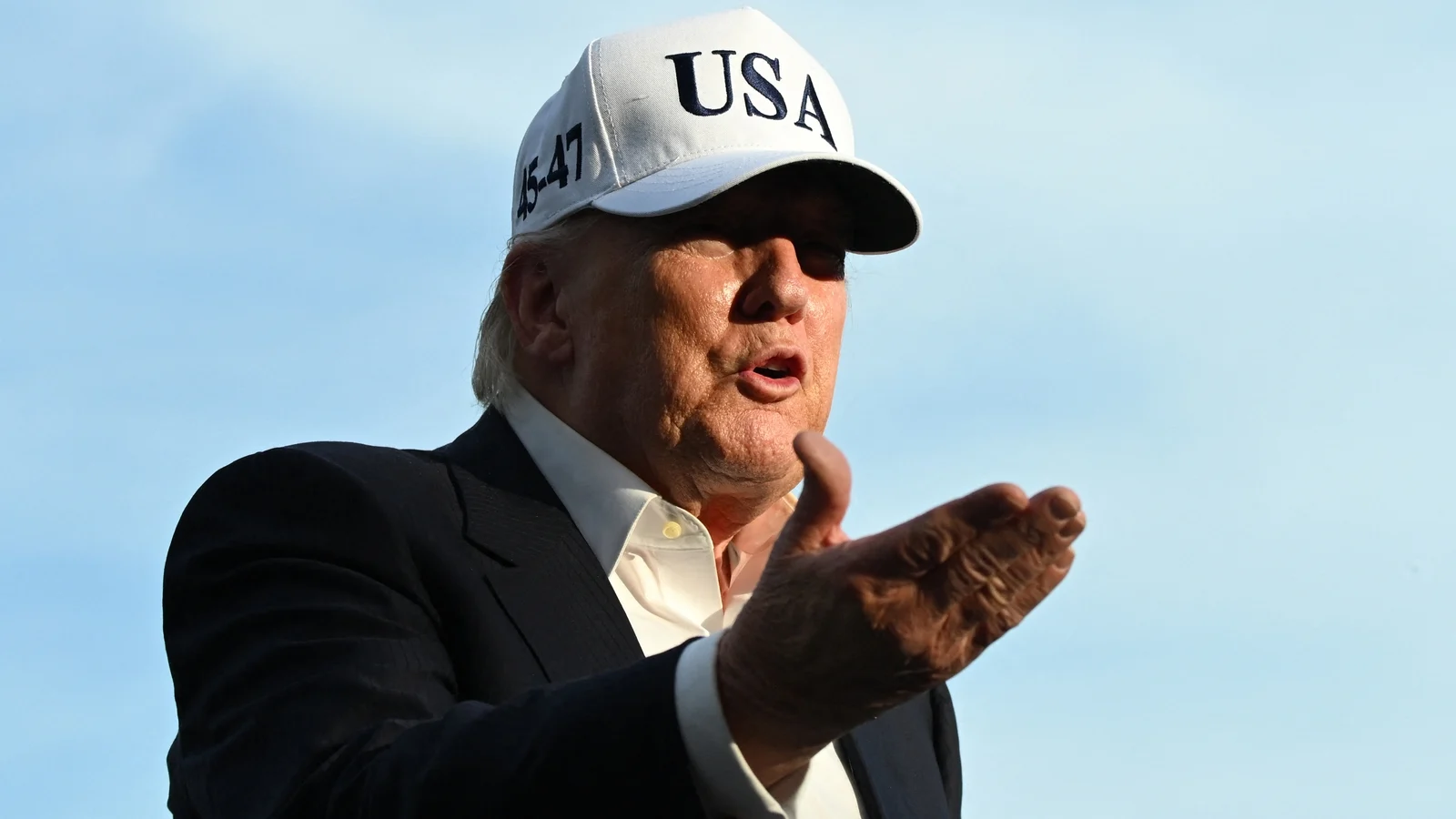
In a terse public post, US President Donald Trump announced that a scheduled military operation had been paused to allow negotiations to proceed after Tehran transmitted a new peace proposal to Washington via intermediaries. The pause, he wrote, was at the request of Gulf leaders from Qatar, Saudi Arabia and the United Arab Emirates — a concerted diplomatic nudge toward talks.
“We will not be doing the scheduled attack… but we stand ready to launch a full, large-scale assault on a moment’s notice,” he said — words that read as both conciliatory and cautionary, a diplomatic olive branch wrapped in the iron glove of military readiness.
Pakistan, which had acted as a conduit during recent talks, confirmed it had relayed Tehran’s offer to Washington. “We passed the message. We’re doing our best. But the parties keep shifting the goalposts,” a Pakistani foreign ministry official told a visiting reporter. “Time is running short.”
What’s on the table — and what’s been postponed
According to sources close to the discussions in Tehran, the Iranian proposal prioritizes an immediate end to hostilities, the reopening of the Strait of Hormuz, and the lifting of maritime sanctions that have effectively strangled Iranian shipping. Iran reportedly suggested postponing the most thorny of disputes — questions about uranium enrichment and the details of a nuclear program — to later rounds of negotiation.
Notably, those Iranian sources say Washington signalled a willingness to unfreeze roughly a quarter of Tehran’s assets held abroad — a sum they describe as “tens of billions of dollars.” Tehran, unsurprisingly, wants access to the entire frozen cache.
“Money is lifeline, not leverage,” said a Tehran shopkeeper who asked only to be identified as Reza. “People are hungry for normal: for work, for football on TV, not rocket alerts. If diplomacy brings bread and peace, who’ll complain about the politics?”
A ceasefire, drones and the Gulf’s new geography of danger
The pause comes against the backdrop of a conflict that has already upended the Gulf’s airspace and sea lanes. A fragile ceasefire has held after six weeks of heavy fighting the followed US-led air strikes. Yet the quiet has been punctured by drone attacks launched from Iraqi territory toward Gulf states. Saudi Arabia said it intercepted three drones that entered from Iraqi airspace; Pakistan’s foreign ministry publicly condemned one such attack.
“We’re in a new era of low-cost, high-impact weapons,” said Dr. Miriam Al-Hashimi, a security analyst at the Middle East Strategic Institute. “Drones and proxies allow conflict to spill beyond borders without the visible footprints of conventional armies. That complicates any attempt to establish durable peace.”
For shipping companies, the Strait of Hormuz is the spine of global oil transit. While exact figures vary by year, roughly one-fifth of the world’s seaborne oil shipments pass through those narrow waters, making its closure an immediate economic shock to energy markets and the wider global economy.
- Duration of recent open hostilities: about six weeks
- Reported frozen Iranian assets under discussion: “tens of billions” (Iran seeks full release)
- Number of drones Saudi Arabia reported intercepting in one attack: three
Claims, denials and the fog of information
State media in Iran reported that the US had agreed to temporarily waive oil sanctions while talks proceed; a US official, speaking on condition of anonymity, called that account false. Tehran’s foreign ministry spokesman, Esmaeil Baghaei, confirmed only that Iranian views had been “conveyed to the American side through Pakistan,” offering few specifics.
In short: negotiators are talking, spokespeople are hedging, and a public narrative is being stitched together with threads of both hope and caution. It’s diplomacy performed at the speed of headlines.
In the markets and on the street: different rhythms, same anxiety
At a busy port in Fujairah, tanker captains swapped radio channels and plotted slower, safer circuits around the Gulf. “We’re doing contingency plans like it’s script work,” said Ahmed Suleiman, a deckhand who has sailed these waters for two decades. “Everyone waits for the next order. But when the Strait closes, the whole map changes: prices spike, consignments reroute, families feel it at the pump.”
Investors already monitor geopolitical risk as a line item in portfolios; traders love nothing more than certainty, and this region offers nearly none. Still, financial markets breathed a tentative sigh when the strike was called off: oil futures dipped modestly, and stocks in some shipping and logistics companies ticked up.
What this moment tells us about modern conflict
There is something profound about a war that can be paused by a tweet and revived by a misinterpreted drone. The machinery of modern diplomacy is both faster and more brittle. Networks of regional intermediaries — Qatar, Pakistan, the UAE — are playing outsized roles, testing whether traditional great-power brinkmanship can be replaced by multilateral pragmatism.
“This is not just a local fight; it’s a global test,” said Elena Morales, an international relations scholar in Madrid. “Can regional leaders craft a deal that stabilizes trade routes, curbs proxy attacks, and yet leaves room for later, technical talks on nuclear matters? The temptation to resolve immediate economic pain can both help and hinder a comprehensive settlement.”
The human ledger: losses, appetites and the cost of waiting
Amid all the strategic calculus, ordinary people are live-wire affected. In Tehran’s alleys, vendors track exchange rates and the price of legumes; a quarter of frozen assets released could mean more imports, lighter inflation, fewer late-night worry calls home. In Kuwait and Riyadh, families huddle as air-defences hum. In ports around the world, captains reroute and insurers raise premiums.
What would you trade for a week of calm: access to funds, assurance of safe passage, or a promise that nuclear questions will remain theoretical? It’s the question negotiators — and citizens — must now answer.
Where might this lead?
If talks produce a durable agreement to reopen the Strait of Hormuz and lift maritime restrictions, the immediate economic shock could fade and shipping lanes could re-normalize. If not, the military pressure Trump warned of remains a real option, and the region could slide back toward open conflict.
Either way, the episode offers a stark lesson: the world is interconnected in ways that make a single flashpoint reverberate across continents. Diplomacy must move as swiftly as weapons technology has — with more nuance, broader coalitions, and deeper attention to the human consequences.
So pause and think: what would you want your leaders to do in this moment? Hold fire and bargain, or act decisively to deter? The answer will shape not just politics, but the daily rhythms of millions who will sleep, work and play in the shadow of these decisions.
For now, the billboard in Tehran still beams its promise of sport and spectacle. Below it, people carry on. Above, diplomats and generals keep one eye on their phones. Between them lies a breath — a fragile interval where the world might yet choose negotiation over escalation.