When Pledges Meet Rubble: A Berlin Promise and Sudan’s Long Night
In a conference room in Berlin last week, diplomats clicked through presentations, exchanged firm handshakes and announced €1.3 billion in support for a country many of us watch only through grainy video clips and crisis headlines.
The money — a headline, a promise, a lifeline — landed like rain on a brittle, scorched field. Germany pledged €230 million; other donors added the rest. There were solemn speeches, video messages from international figures, and a palpable attempt to signal that Sudan is not to be forgotten.
And yet, while stacks of pledges were tallied in Europe, elsewhere in Sudan a mother in Omdurman was balancing the price of fuel against whether to cook rice for her children. A teacher in Khartoum was counting the days until school might fully reopen. A water vendor in Port Sudan, navigating a donkey-cart amid long lines at a communal tap, wondered how long the aid would last.
What the Berlin meeting aimed to do
The conference convened governments, civil society and aid agencies with two primary purposes: raise funds and try to breathe life into faltering peace efforts. It came on the three-year anniversary of a war that has—by all reliable tallies—shattered lives and institutions across the country.
“This nightmare must end,” a UN official said at the gathering, a plea that echoed through the walls and into social media feeds. Berlin’s host, Germany’s foreign minister, stressed the scale of what he called “the world’s greatest man-made humanitarian catastrophe.”
Numbers that refuse to be abstract
Numbers tell part of the story, cold and necessary: about 59,000 people killed, roughly 13 million displaced, and some 34 million — almost two out of every three Sudanese — needing assistance, according to UN estimates shared at the meeting.
Other figures are equally stark: nearly 700 civilians killed by drone strikes since January alone; 1.8 million people who have returned to Khartoum amid partial stabilization; 63% of health facilities still functioning to some degree; and an estimated 800,000 children and adults projected to suffer from severe acute malnutrition.
Put these numbers together and the arithmetic becomes a map of daily desperation: crowded displacement camps, hospitals stretched beyond capacity, markets where prices spike with each new shock to fuel and shipping. In recent months, fuel prices in Sudan rose more than 24% because of disruptions tied to regional tensions, making basic foodstuffs even less affordable.
- €1.3 billion pledged by donors at Berlin
- €230 million committed by Germany
- ~59,000 people killed in the conflict
- ~13 million displaced internally or as refugees
- ~34 million in need of assistance
- ~700 civilians killed by drones since January
On the ground: soot, shops and the slow work of coming back
Walk the cracked pavement of central Khartoum and you will see a city doing what human beings do after catastrophe: try to stitch a life back together. Markets have reopened. Traffic returns in fits and starts. National exams were held this week after nearly two years of disruption, a bureaucratic sign that routine sometimes reasserts itself even where the past is still hot to the touch.
Yet the return is partial and precarious. Hundreds of buildings still wear the black scar of fire. Volunteers and municipal crews are slowly clearing unexploded ordnance from neighborhoods where children still play near rubble. For many, the return is not an end but another stage of uncertainty.
“I came back twice this year after three years away,” said a man who asked to be identified as Al-Basheer. “I was happy to be home. Then I walked to the university road where I used to go, and the walls were black. It’s like the city is wearing its grief.”
Faces behind displacement
Some have chosen to return; others cannot. The UN reports that around 1.8 million people have come back to Khartoum, often into partially repaired homes or overcrowded relatives’ rooms.
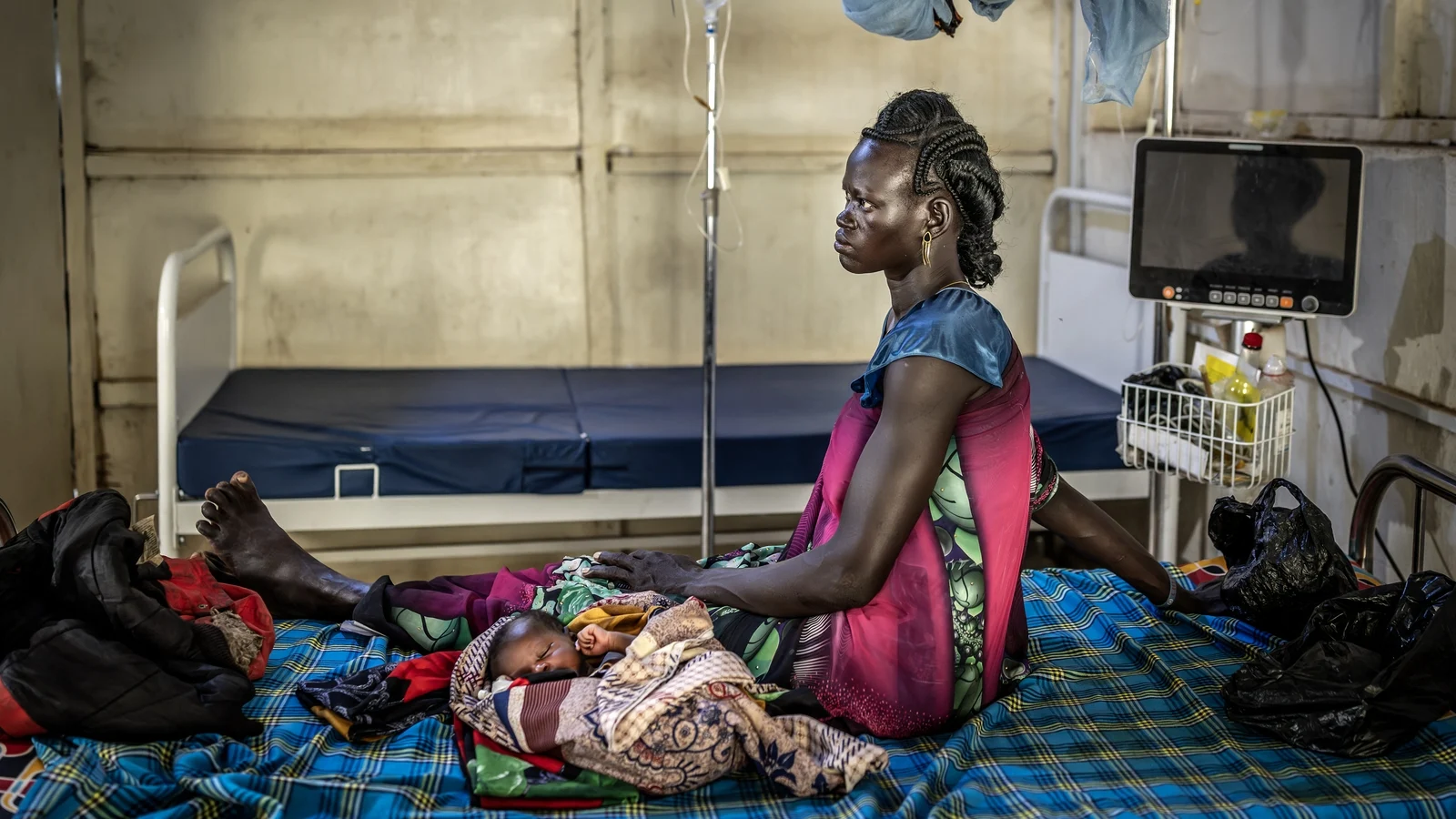
In the camps and informal settlements, people describe a constant grind: queuing for water delivered by cart, trading scarce cash for small amounts of food, rationing medication for chronic conditions. “We survive day to day,” said Fatima, a mother in a displacement camp near el-Fasher. “Tomorrow is beyond our planning.”
Diplomacy stalled, weapons streamed
The Berlin meeting also tried to nudge diplomacy forward. But the main armed parties—the Sudanese army and the paramilitary Rapid Support Forces (RSF)—were absent from the table, excluded from the gathering and in no hurry to reconcile.
Regional mediators grouped in what has been called the Quad — the United States, Saudi Arabia, the United Arab Emirates and Egypt — have struggled to broker a deal. Allegations of bias and of external support for different sides have complicated talks, and public trust in outside brokers is frayed.
Worse, a new phase of technological brutality has entered the conflict: drones. UN rights officials have warned that drone strikes account for a disproportionate share of civilian deaths—three-quarters of documented civilian fatalities in a recent three-month span, according to U.N. reporting shared at the meeting. Many of the drones and munitions are said to come from outside Sudan, raising ugly questions about the global trade in arms and the incentives that fuel proxy escalation.
Is the world abdicating responsibility?
UN humanitarian leaders used a harsh phrase: “abandoned crisis.” The point was not rhetorical flourish; it was a charge that the global system has failed to end a war and, critically, failed to protect civilians.
“Please don’t call this the forgotten crisis,” pleaded a senior UN aid official. “We call it abandoned because the political will to stop the fighting has faltered.”
And yet the pledges in Berlin—€1.3 billion—represent both an effort and an admission: the international community can still mobilize money, but money alone will not stop drones or settle a political calculus that has little patience for ceasefires.
Where do we go from here?
There are no simple answers. The conflict in Sudan sits at the junction of local grievances, collapsed transition politics after the 2019 revolution, regional rivalries and an international arms market that often operates in shadows.
What’s required is as much political imagination as it is humanitarian generosity: a sustained diplomatic push that includes local voices, accountability for war crimes, and a long-term plan for rebuilding health systems, schools and livelihoods. Without that combination, aid risks becoming a bandage on an open wound.
So I ask you, the reader: when you see a number on the news—13 million displaced, 59,000 dead—what feels actionable? What should the global community prioritize, and who should be at the table? These are not rhetorical questions; they are the contours of a global test of solidarity and responsibility.
Back in Khartoum, a tea seller at a corner kiosk summed up the weary resilience of many Sudanese: “We are tired, yes. But we remember how to hope. The world must remember how to act.”
If Berlin’s pledges are to mean more than sympathy, they must be paired with diplomacy that can stop the killing and a reconstruction plan that centers people—not geopolitics—so that one day, soot-blackened walls can be painted, markets can thrive without fear, and children can grow up knowing a normal childhood rather than a survival one.