A fall on the mountain, a family in the glare: the Andic story widens
When the wind slices down the limestone faces of Montserrat, it carries the smell of rosemary and the kind of silence that makes the mind loud. It was into that silence, last December, that 71-year-old Isak Andic — the Turkish-born founder of Mango and a titan of Spanish retail — disappeared from public view in the most abrupt of ways: a fatal fall near the Salnitre caves in Collbató. What began as a muttered local tragedy has, with the passage of months, ballooned into a high-stakes legal drama that touches on family power, corporate empires, and how we decide what counts as accident and what counts as crime.
From accident to homicide probe: the legal volte-face
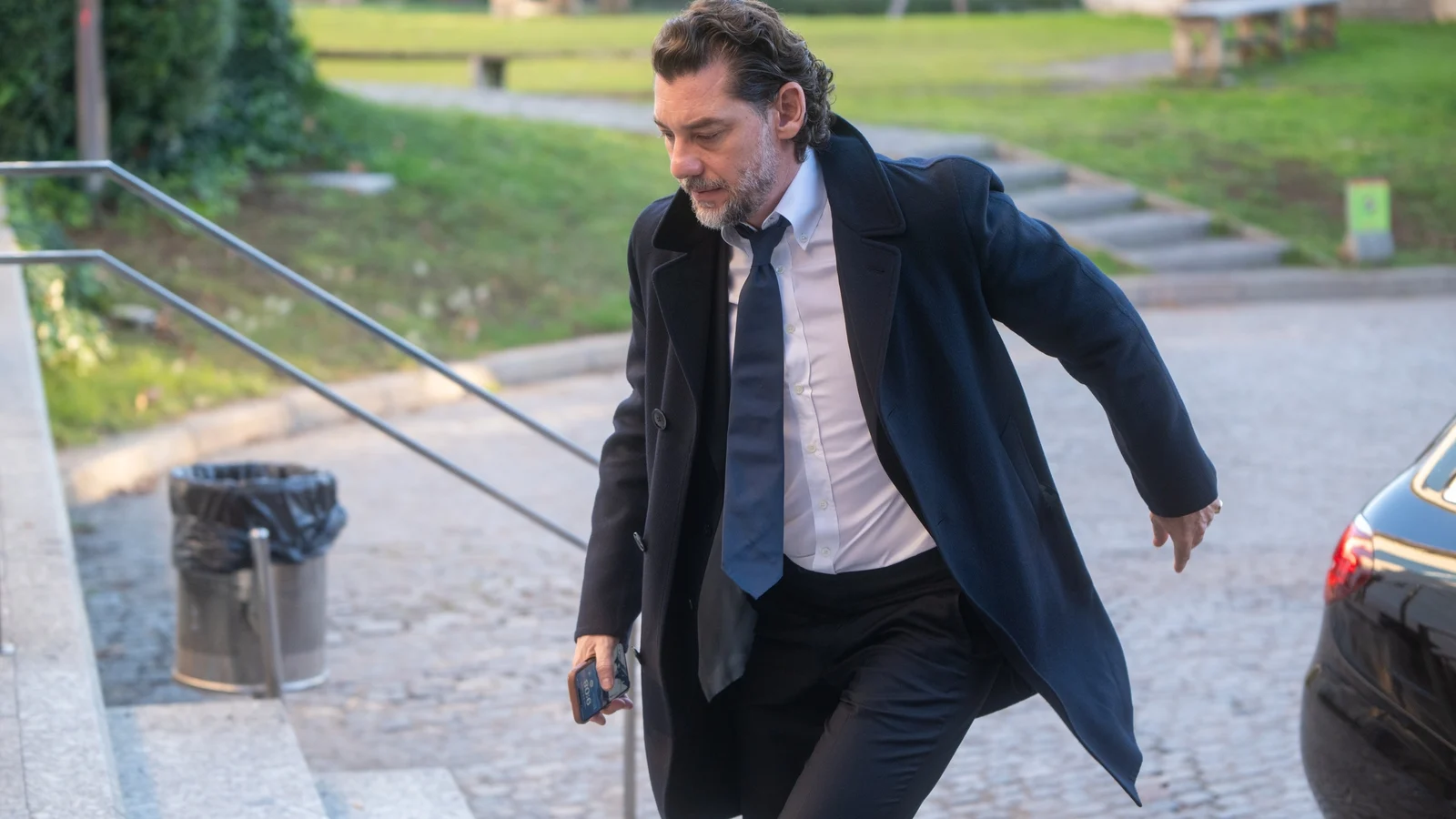
Catalonia’s Mossos d’Esquadra arrested Isak Andic’s eldest son, Jonathan, earlier this month and a court in Martorell has set bail at €1 million. The court ordered him to surrender his passport, appear weekly before the judge and not leave Spain as investigators examine the death “as a charge of homicide.” These are sharp, procedural measures that carry an unmistakable weight — to be named a suspect in a homicide probe is not the same thing as being convicted, but the social consequences ripple outward immediately.
“We must treat this case with the utmost seriousness,” a fictionalized quote from a Catalan prosecutor in this narrative might read — and that is precisely how residents and onlookers have reacted. Initially treated as a tragic accident, the case was closed by a judge in January 2025 when no criminal wrongdoing was found. Yet, prosecutors and the Mossos reopened the file in October after declaring inconsistencies in Jonathan’s testimony and other leads that warranted fresh scrutiny.
What happened on the slope — and why questions remain
The terrain around the Salnitre is not forgiving. Locals point out the ravines and the abrupt drops carved into Montserrat’s dramatic silhouette. “We all walk there,” said a Collbató innkeeper in a reconstructed voice. “You respect the mountain. It’s beautiful, but you don’t lower your guard.” Authorities say Isak fell from a height in that treacherous band — a claim that, at first, seemed to be explained away by a slip, an accident that befalls experienced hikers and novices alike. But investigators later seized devices and records, reportedly including Jonathan’s phone, and began connecting threads that made the simplistic explanation harder to accept.
There are other human embers in the scene: testimony cited by Spanish newspapers about tense relations between Isak and his son, a partner whose financial entanglements with the family have been widely discussed, and a history of succession struggle in a company that is both a household name and a sprawling global business.
The human face of a corporate saga
Mango is not a small shop on a seaside boulevard. It began as a single boutique on Barcelona’s Paseo de Gracia in 1984 and grew into an empire with roughly 2,850 stores worldwide, operating across more than 120 markets and employing more than 16,400 people. At the time of his death, Forbes estimated Isak Andic’s fortune at about $4.5 billion. Those numbers matter because the stakes here are not only legal but financial and reputational: a family-owned brand with global reach now faces intense scrutiny when the family itself becomes the story.
“Family firms walk a fine line between private life and public responsibility,” says a hypothetical expert in family business governance. “When an accident involves the figurehead of such a company, everyone watches — investors, employees, even shoppers who have a sentimental attachment to the brand.” Jonathan joined Mango in 2005 and rose to manage the Mango Man line and sit as vice-chairman. He has consistently denied wrongdoing and insists his father’s fall was an accident.
Between the courtroom and the kitchen table
What is easy to forget amid bail hearings and seized phones is how this story looks across kitchen tables in Barcelona, Istanbul and international city hubs where Mango’s racks hang. For workers at a factory in El Prat or a store manager on Calle Preciados in Madrid, the questions are immediate and mundane: Who will run the company? Will business continue as usual? The human costs — grief, suspicion, fractured loyalties — become part of the ledger, even if not recorded there.
“We’re worried about jobs,” said a reconstructed quote from a longtime Mango employee. “This is a company and a life for many of us. We hope it’s resolved quickly, whatever the truth is.” And yet quick resolutions are not what courts or grief often grant.
Secrecy, spectacle and the law
The investigation remains under judicial secrecy, and that silence creates a vacuum filled by rumor, newspaper scoops and social media conjecture. In that void, details leak — a seized phone here, testimony from Isak’s partner, Estefania Knuth, there — and narratives form. Some portray a restless heir cast under suspicion. Others imagine a tragic misstep on a narrow trail. The law, for its part, moves in its own tempo: careful, methodical, often maddeningly slow to the public eye.
“Judicial secrecy is intended to protect the integrity of the process,” a fictionalized legal analyst notes. “But it also fuels speculation. That can be unfair to suspects and victims alike.” The decision to treat the case as homicide for investigative purposes does not equate to formal charges, but it raises the intensity of forensic scrutiny and legal consequence.
What this says about modern wealth and inheritance
Beyond the immediate drama is a larger theme: the brittle arrangements of family fortune in the 21st century. Many of the world’s most recognizable brands are still family-controlled, yet the pressures of global markets, generational change, and personal ambition can create combustible tensions. The Andic story invites us to ask difficult questions: How do families manage succession? How transparent should powerful families be when public welfare — jobs, supplier networks, brand reputation — is affected?
In a world where the private lives of the wealthy are relentlessly public, this case will likely be dissected not only in Barcelona courtrooms but across opinion pages and dinner tables worldwide. What does it mean to inherit not only money, but also expectation, scrutiny and a public identity?
Looking ahead
For now, the mountain keeps its secrets. Jonathan Andic remains out on bail, tethered to the Spanish judicial system by conditions that will shape his daily life and career. The prosecutors and the Mossos continue digging through testimony and materials under a cloak of secrecy that will be lifted only slowly, if at all, by formal charges or a judicial decision.
Will the truth be a tragic misstep on a treacherous trail — or something more complicated? As readers, as citizens, as consumers of brands that thread our wardrobes, you might ask: how much do we owe to the privacy of families, and how much to the clarity demanded by markets and law? The answer matters not only for one family on one mountain but for the broader interplay of power, accountability and the stories we tell about both.