A week in Geneva that could reshape the world’s pandemic playbook
On a gray spring morning, the halls of the World Health Organization in Geneva thrummed with a nervous energy that felt almost cinematic: clusters of negotiators bent over laptops, translators whispering into headsets, coffee cups proliferating like little flags of endurance. Outside, a tram clattered past the lake; inside, diplomats and scientists were counting down to a Friday deadline that could decide how the planet shares the microscopic things that threaten us all.
The subject under debate is breathtakingly small and immeasurably consequential: genetic material from viruses and other pathogens. How and when countries hand over samples, and who benefits afterward, sits at the heart of a treaty adopted last year to make the world less vulnerable to the next pandemic. But one of the treaty’s most sensitive features — the Pathogen Access and Benefit-Sharing system, or PABS — was deliberately left unfinished. Now negotiators from wealthy capitals and low-income nations are squaring off to decide what fairness, accountability and practical operation look like in a world still scarred by COVID-19.
Why PABS matters
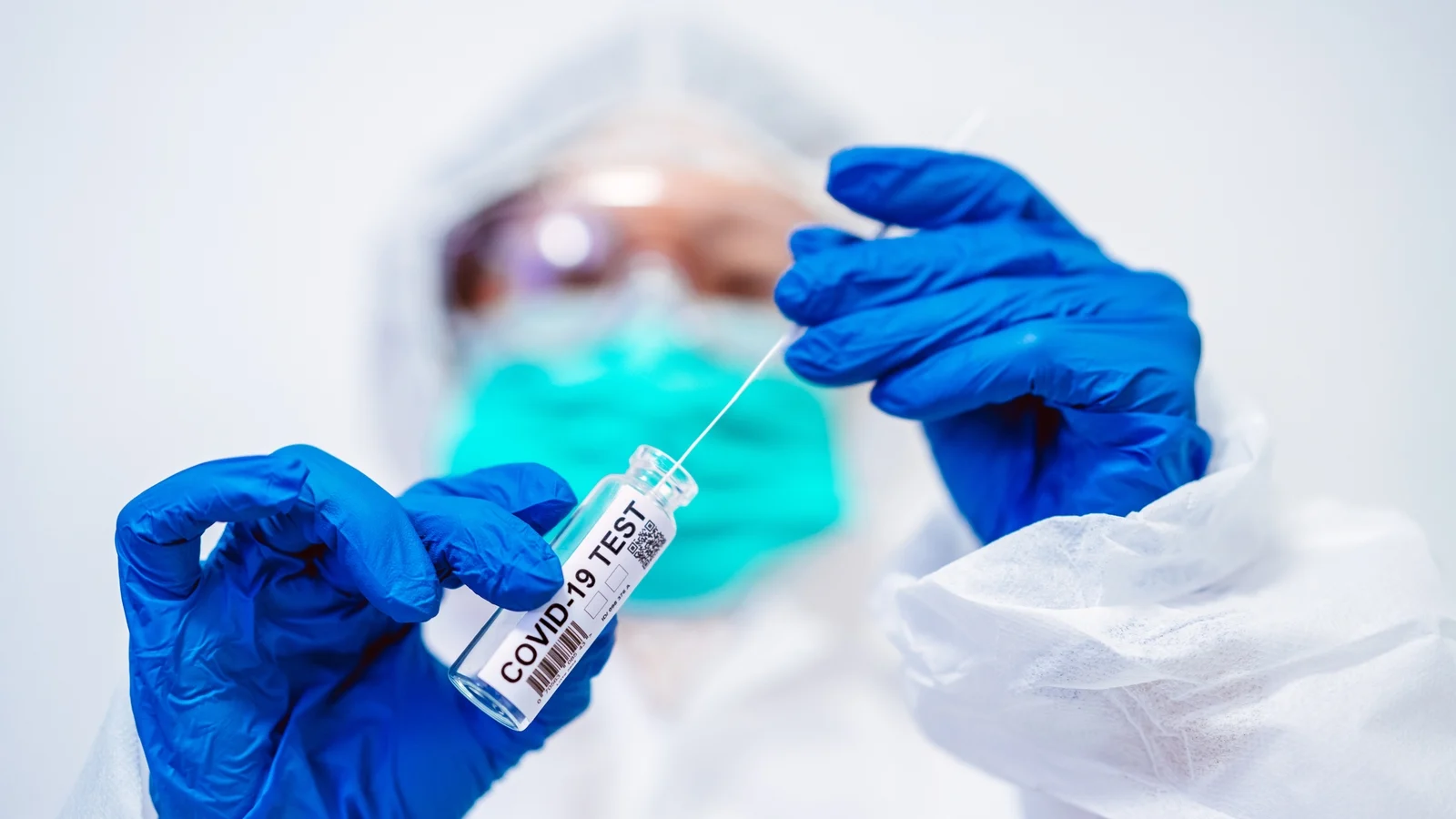
At stake is more than lab data. PABS is the mechanism meant to turn a vial or a swab into a rapid-test, a diagnostic kit, a vaccine dose — and to ensure that the benefits of those products reach everyone, not just the highest bidders.
“If countries feel they’ll hand over their virus samples and see nothing in return, trust evaporates,” said a senior African delegate who has been in Geneva since the talks began. “We saw that happen during COVID. We don’t want a repeat.”
The treaty that delegates are trying to operationalize emerged after more than three years of wrangling, borne of the chaos and inequity witnessed during the coronavirus pandemic. The agreement aims to strengthen global coordination, surveillance, and equitable access to medical countermeasures. But negotiators deliberately tabled PABS in 2025 to secure the broader deal — a strategic pause that has now turned into the most contested piece of the puzzle.
The cleavages: trust, money, and capacity
The cleavages are stark and ideological as much as technical. Low- and middle-income countries, particularly across Africa and parts of Asia and Latin America, want binding obligations: clear rules that ensure when they share pathogen samples, they do not end up empty-handed while others profit. Their mistrust is rooted in recent history: samples from outbreaks in poorer nations have, at times, been taken to labs elsewhere and commercialized with little benefit returning to the source communities.
“We’re not asking for charity,” said a public health researcher from West Africa. “We’re asking for a written commitment that the fruits of our science are shared equitably.”
On the other side, many high-income states and some industry representatives worry about the incentives to innovate. Pharmaceutical firms say they need predictable returns to invest in rapid development and scale-up. “If there is no business logic, factories will stay idle,” a European industry adviser told negotiators. “That undermines everyone’s security.”
A diplomat from Brazil noted the standoff bluntly: “Progress has been slow. Everyone says they want fairness, but when you ask what that looks like, the answers are miles apart.”
Practicalities under the microscope
The PABS debate is a tangle of legal text, lab protocols and ethical demands. Key questions include whether laboratories submitting samples to a global database should be required to register users, whether access should be anonymous, and what percentage of production pharmaceutical companies must pledge to the WHO for redistribution in a crisis.
Under proposals on the table, companies would earmark a portion of their vaccine, test and therapeutic output for the WHO. One draft enshrines an idea that has already provoked heated discussion: that at least 20% of a manufacturer’s pandemic-related production be made available for WHO-led distribution, with half of that as donations and the rest at prices deemed “affordable.”
“Those numbers are a meaningful start,” said an emergency physician who spent the COVID era trying to secure oxygen and essential drugs in a resource-scarce hospital. “But the devil is in the definitions: who decides ‘affordable’? How do you enforce donations and delivery timelines?”
Database transparency vs. privacy and security
One of the thorniest technical fights concerns whether access to pathogen genetic data should be anonymous. Some European nations — Germany, Norway and Switzerland among them — have argued for anonymized access to encourage rapid scientific work. Others say anonymity would make it impossible to track misuse and the flow of benefits back to origin countries.
“Anonymous access would be like leaving your door unlocked and hoping for the best,” said K.M. Gopakumar, a researcher focusing on global health equity. “Without traceability, we can’t verify benefit-sharing; we can’t protect source communities.”
A coalition of non-governmental organizations, including major humanitarian actors, has urged the WHO to reject anonymity. “In practice,” their joint letter warned, “this would allow genetic resources from developing countries to be accessed, commercialized and exploited with impunity.”
Voices from the ground
Across the hall from the negotiating chamber, the conversation grows more human. A laboratory technician from Kinshasa, who asked not to be named, described nights spent processing samples during the Ebola outbreaks. “We do the hard work,” she said, “but when a treatment or test is developed elsewhere, we get the leftovers.”
An MSF representative recalled stark images from past crises: “I saw containers of vaccines stacked in warehouses in wealthy countries while clinics in affected regions were empty.”
And then there are the quiet pragmatists. “We want a system that works in practice,” said a mid-ranking official from a Scandinavian health ministry. “That means enforceable timelines, clear legal pathways for manufacturing transfer, and mechanisms that protect intellectual property while allowing for emergency compulsory licensing if supply is withheld.”
What’s on the table — and what happens if talks fail?
Negotiators have a tight calendar. The hope is to lock in PABS language in time for the World Health Assembly later this month. Failure to reach consensus would be a blow to global momentum for pandemic preparedness and could leave trust frayed between regions that already felt betrayed during COVID-19.
Here are some of the key sticking points being debated:
- Mandatory vs. voluntary contributions of vaccine and treatment stocks to a WHO-managed pool.
- Requirements for user registration and traceability of database access versus anonymity for researchers.
- Enforcement mechanisms and timelines for delivery of promised goods.
- Safeguards to protect intellectual property while enabling rapid local manufacturing where needed.
Big picture: why this matters to you
This is not an abstract bureaucratic spat. The way PABS is settled will influence whether the next outbreak — whether influenza, a novel coronavirus, or something we cannot yet imagine — remains a local flare-up or becomes another global catastrophe. It will also determine whether scientific collaboration is experienced as fair partnership or as extractive practice.
Do you want a world where a rural clinic’s sample is the basis for a vaccine that only wealthier nations can afford? Or do you prefer a system that builds capacity where outbreaks begin and treats countries as partners rather than suppliers? Those are not rhetorical questions; they’re choices being hammered out in Geneva right now.
Looking ahead
The outcome of this week’s intensive negotiations will reverberate for years. A workable PABS could help build a more resilient global health system — stronger surveillance, faster sharing, and distribution mechanisms that prioritize need over purchasing power. A breakdown, by contrast, risks further entrenching the inequities that defined the last pandemic.
Negotiators describe the atmosphere in Geneva as both tense and hopeful. “No agreement is perfect,” one WHO scientist told me, “but it can be fair, and it can be functional.” Whether the world chooses that path will come down to whether goodwill can be translated into enforceable rules, and whether power can be balanced with moral obligation.
So I’ll ask you: when the next tiny threat arrives at the edge of human sight, would you rather live in a world prepared to share, or in a world that hoards? The answer — and the treaty language this week — will help decide our fate.