On the Edge of the Strait: A War, a Proposal, and the Fraying Threads of Global Order
There is a smell to this conflict that lingers in places far from the battle lines: diesel and salt on the lips of port workers, the metallic tang of fear in a Tehran teahouse, and the acrid scent of political smoke wafting through Washington corridors. Two months into a war that has rattled energy markets, killed thousands and left trade routes ghosted, diplomats have been hustling between capitals with a single urgent question—can the fighting be stopped? The answer, for now, is no.
Over the weekend, Iran’s foreign minister ferried a new proposal through Islamabad, then Oman and finally to Moscow, seeking a phased path out of the violence. At its heart was a pause—an agreement, Iran said, to push the thorny debate over its nuclear programme to a later stage, after the guns fell silent and the shipping lanes reopened.
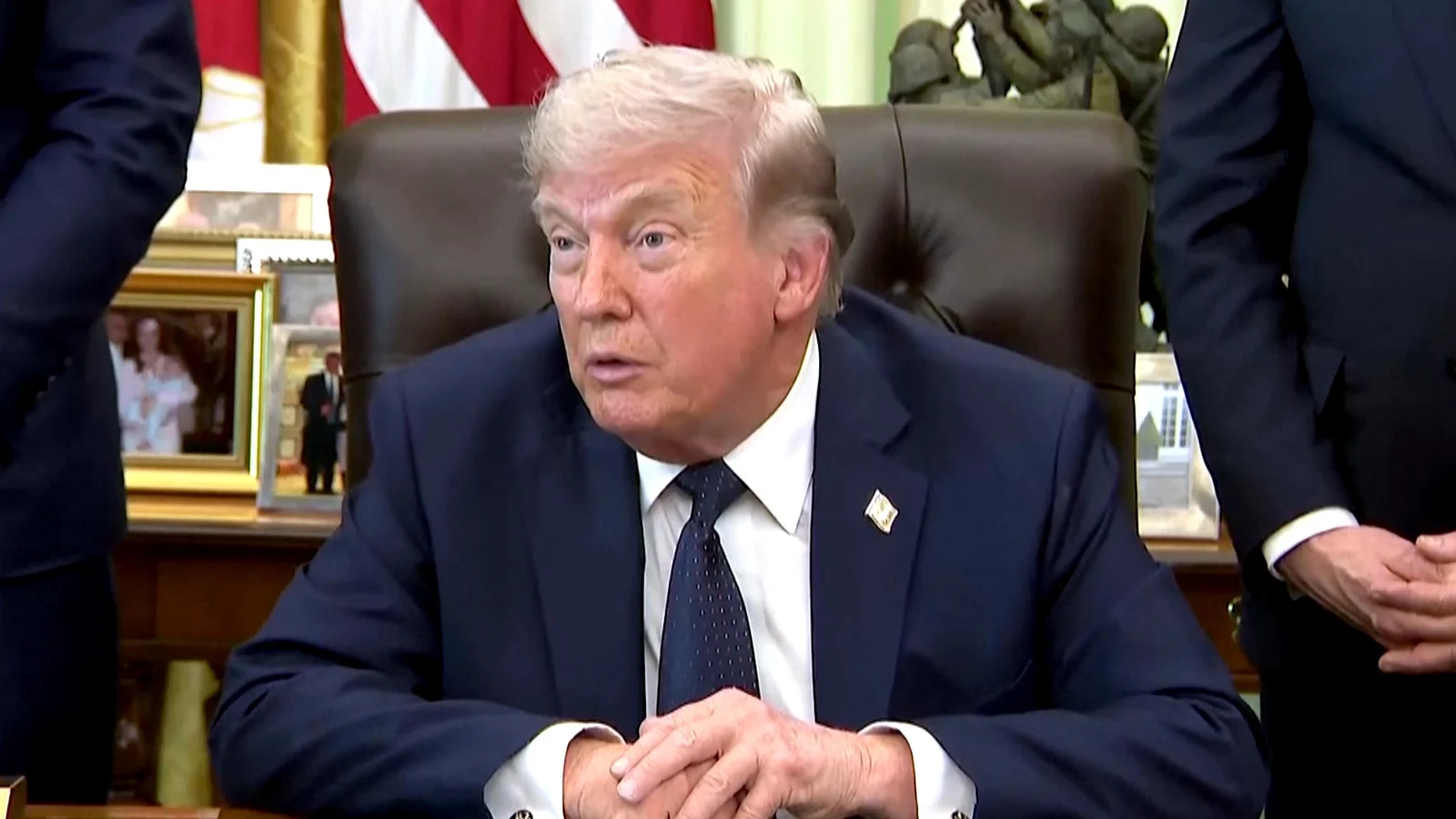
But the United States, led by President Donald Trump, brushed that aside. A White House official told Reuters that Mr. Trump wanted the nuclear dossier addressed from the outset. “We’ve been clear about our red lines,” White House spokeswoman Olivia Wales reiterated, encapsulating a posture that mixes caution with impatience.
A proposal in stages — and a president’s impatience
The Iranian blueprint, according to senior sources who asked not to be named, was deliberately incremental. Step one: an end to the US–Israeli campaign against Iran, accompanied by legally binding guarantees that Washington would not reignite hostilities. Step two: a lifting or at least a practical easing of the maritime blockade choking Iran’s exports, including in and around the Strait of Hormuz. Only then, step three, would negotiators re-open the nuclear question—one that Tehran still wants recognized as including a right to uranium enrichment.
“We need to get to the table without preconditions that make it impossible to talk,” a diplomat close to the negotiations in Islamabad told me. “But the problem is trust—no one believes the other side won’t renege.”
President Trump’s frustration is more than posture. Domestically, he faces slumping approval and a public weary of conflict. Internationally, he’s under pressure to show results for a war that, in his own words to advisers, needs a clear endgame. Yet Ankara, Moscow and Beijing are watching closely too, weighing where influence—and advantage—might shift as the conflict drags on.
Strangled shipping and rising pumps
For traders, the math is brutally simple: if oil doesn’t flow through the Strait of Hormuz, prices rise and so does global pain. On the day Iran’s proposal surfaced, oil prices climbed roughly 3%, extending gains from the previous session. “For oil traders, it’s not the rhetoric that matters any more, but the actual physical flow of crude oil through the Strait of Hormuz, and right now, that flow remains constrained,” market analyst Fawad Razaqzada told clients.
Numbers tell the story of a strangled supply chain. Before the war, between 125 and 140 ships passed through the strait each day. In the last 24-hour snapshot reported by maritime analysts, only seven vessels moved through—and none were bound for the wider global oil market. Ship-tracking data showed at least six tankers laden with Iranian crude turned back to Iranian ports in recent days after interdiction by US forces.
“It felt like half the world just evacuated,” a captain of a refitted tanker anchored off Bandar Abbas said, asking that his name not be published. He spoke of masked navy men boarding ships and radio checks that became interrogations. “We are sailors, not soldiers. Nobody wants to be the match.”
Iran’s foreign ministry blasted the US actions as “outright legalisation of piracy and armed robbery on the high seas,” a line that was reposted and amplified through state channels. Tehran’s government, however, insists it anticipated maritime pressure and has been ready for months, rerouting commerce via northern, eastern and western corridors away from Gulf ports. “There is nothing to worry about,” government spokesperson Fatemeh Mohajerani told state media—an attempt to soothe domestic markets even as global traders shrug and buy insurance.
Across the border: Lebanon on edge
The ripple effects of this regional conflagration are not contained to oil terminals. In southern Lebanon, Israeli military warnings prompted an immediate exodus from more than a dozen towns after intelligence indicated Hezbollah had breached a ceasefire arrangement. Beirut’s health ministry reported four civilians killed and 51 wounded in recent strikes—a grim human tally amid the high-stakes political theater.
Hezbollah’s firing of rockets into northern Israel has dragged Lebanon back into a full-blown front in a conflict that began elsewhere. The militia’s deputy leader has dismissed direct talks with Israel as a “grave sin,” while Israeli politicians and military commanders warn of extended fighting in 2026. “You can feel it in the streets—people are buying bread and batteries and then sitting down, not talking much,” said Leila Haddad, who runs a small grocery in Tyre. “We have learned to live with sirens, but it does not make it easier.”
Alliances and the shifting map of power
In Moscow, Iran’s delegation received a warm handshake from President Vladimir Putin, a reminder of the geopolitical chessboard at play. Tehran has also floated the idea of sharing defensive capabilities garnered from what Iranian commanders call “America’s defeat” with members of the Shanghai Cooperation Organisation—an alliance that now counts Russia, China, India and Pakistan along with several Central Asian states.
“This is not merely a Middle East quarrel,” said Dr. Anjali Rao, a geopolitics scholar in London. “It’s a test of global governance. When major powers and regional heavyweights move pieces openly—naval interdictions, proxy conflicts, trade re-routing—the rules-based order gets eroded, and that has consequences for everything from shipping insurance to investor confidence.”
What happens next—and what it means for the rest of us
So where does the world go from here? Diplomacy has not been extinguished, but trust is in short supply. Iran’s phased plan is an attempt to lower the temperature and buy negotiating space; the US demand for immediate nuclear guarantees is a mirror image of mistrust. Meanwhile, the human toll in Lebanon and the economic toll around the globe keep rising.
As consumers, what can we do? Not much to alter geopolitics directly, but much to watch: rising fuel costs feed inflation, which in turn impacts wages, food prices and the fragile social contracts in many countries. As citizens, the question to ask our leaders is simple: what is the endgame?
“War is a terrible clarifying lens,” said a veteran diplomat in Islamabad. “It shows what nations value most—security, resources, reputation. The harder question is whether we can coordinate to repair the damage before the next crisis arrives.”
Back on the docks, the tanker captain stares out at a narrowing horizon as crew members sip tea and scroll newsfeeds. “We were born to cross seas,” he said quietly. “Now we have to learn how to live with closed lanes.”
Will the next round of talks bridge the gulf between stepping-stones and red lines, or will waterways stay barricaded while global prices climb and families count the cost? For many, the answer cannot come soon enough.