Between a Strait and a Hard Place
The morning sun slices across the Persian Gulf like a silver blade, setting a fleet of battered dhows aglow as they bob in the shelter of Bandar Abbas. Fishermen mend nets with slow, methodical hands; the call to prayer threads through the market where cardamom, dried lemons and packets of tea change owners with the rhythm of the tide. It’s a scene that could be mistaken for calm—but beneath the surface, the heartbeat of global commerce is on a war footing.
At the center of this drama is the Strait of Hormuz, a narrow choke point where roughly one-fifth of the world’s oil and liquefied natural gas passes every day. Close the tap here, and tankers grind to a halt, prices spike, supply chains wobble—effects ripple from Dubai’s skyscrapers to the gas pumps of small-town America. For weeks, the strait has been a theater of brinkmanship, and the latest twist: a proposal from Tehran that promises to unclench maritime traffic if Washington eases its stranglehold—at least for now.
An Offer on the Table
The outline is simple, audacious and politically explosive. Iran’s negotiators reportedly told intermediaries that they would allow foreign shipping safe passage through the strait in exchange for an end to the U.S. naval blockade, the release of frozen assets, and a formal withdrawal of American forces from key positions near Iranian territory.
Crucially, Tehran wants to delay the hardest part of the argument—the nuclear file. Rather than settle nuclear constraints immediately, their proposal moves those talks to a second stage, after mutual confidence-building measures are in place. “We will open the waters first, and then sit down to the tougher questions,” an Iranian official briefed on the plan told a reporter. “It is an offer to cool the crisis, to let everyone breathe.”
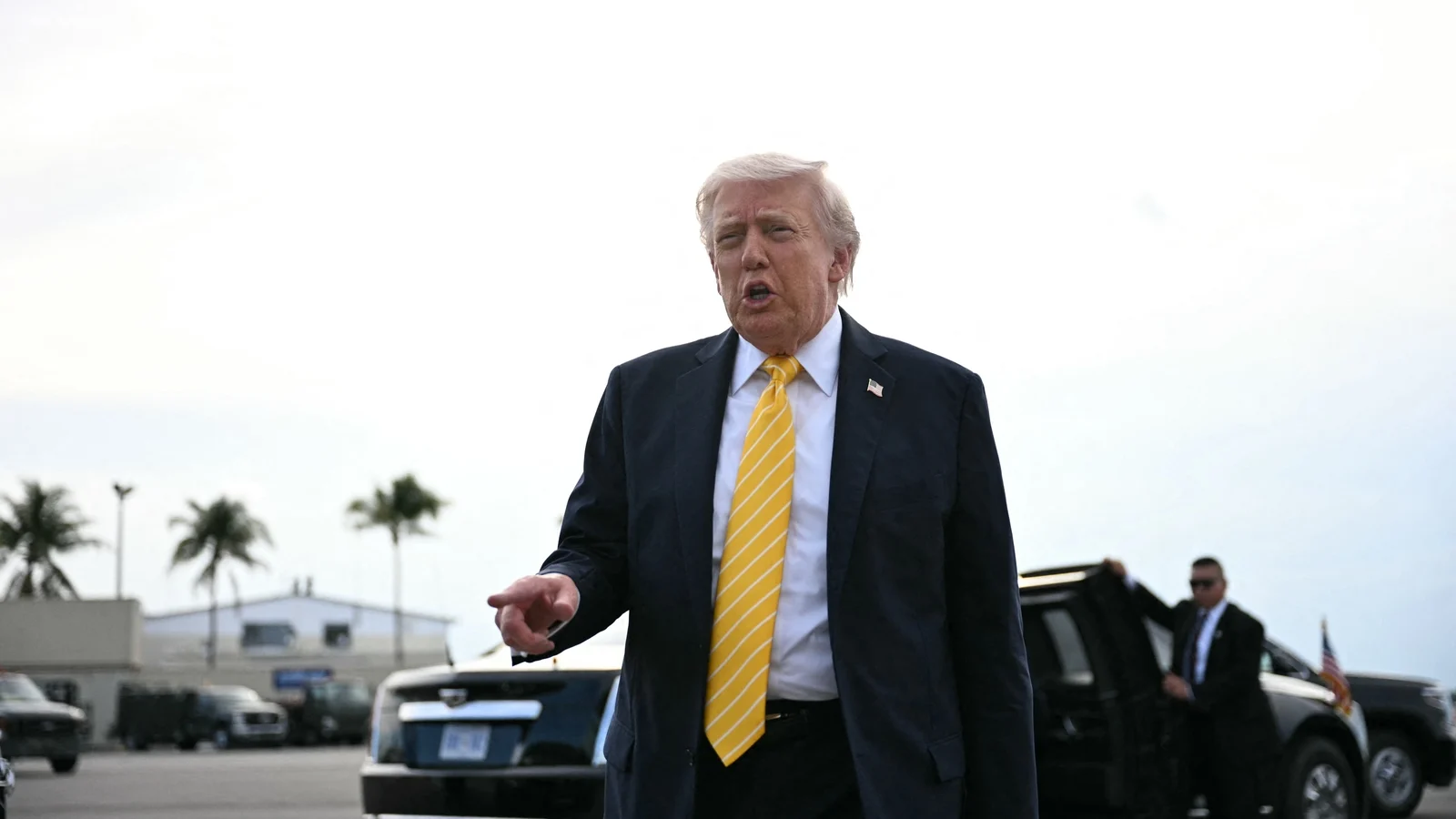
From Washington, the response has been cautious and sharp. The president said he’s aware of the concept but is waiting to see the exact wording—and, in language that reminded observers of the fragile balance of diplomacy and force, warned that strikes could resume if Iran “misbehaves.” “I don’t prefer the military route,” he said, “but it remains an option.”
What Tehran Wants — And What It Offers
- Opening the Strait of Hormuz to international shipping.
- Withdrawal of U.S. forces from areas surrounding Iran.
- Lifting of the U.S. blockade and release of frozen Iranian assets.
- Compensation for losses and an end to hostilities on multiple fronts.
- Postponement of detailed nuclear negotiations until after an initial peace framework is established.
It reads like a negotiation in two acts: first, stop the bleeding; second, resolve the disease.
Voices from the Gulf
Walk the docks here and you’ll hear a chorus of weary pragmatism and weary hope. “We have boats with no work,” says Reza, a deckhand with hands like rope, coffee stained and knuckled. “If they open the strait, my children will eat. That is what this is about for us.”
In the alleys behind the market, a tea vendor named Fatemeh pauses from pouring and offers a different worry. “What if it is a trick?” she asks. “We have seen promises. We have seen sanctions. We have seen prices rise. My husband sells diesel to trucks—if the world thinks this is not safe, they stop buying. It is our lives.”
Outside the Gulf, traders watch with calculators and stress lines. “Even the talk of reopening Hormuz sends ripples through futures markets,” says Elena Marquez, a senior analyst at an energy consultancy in London. “Oil benchmarks can move several dollars on rumors alone. For an economy already wrestling with inflation and supply-chain shocks, that is dangerous.”
Why This Matters to You
This is not a local quarrel. The Strait of Hormuz is the planet’s throat. Disruptions there are felt in grocery aisles, factory floors and the utility grids of countries that import energy from the region. Consider a few sobering facts:
- About 18–20% of global petroleum liquids flow through Hormuz—an estimate tracked by the U.S. Energy Information Administration and other bodies.
- When tensions spike in the Gulf, shipping costs and insurance premiums jump—adding millions to the price of moving goods globally.
- Energy markets respond fast: a credible threat to supply can raise global oil benchmarks by several percentage points within days, feeding inflationary pressure worldwide.
So when a leader in Washington says he might reinitiate strikes, or when Tehran promises to lift its blockade if sanctions are eased, these are not platitudes. They are moves on a chessboard whose pieces include refinery output, consumer pockets, and geopolitical alliances.
Politics, Pressure, and the Bigger Picture
Domestic politics sharpen the edges. The president’s own party worries about voters paying more at the pump ahead of key elections. Legislators rail against what they call weakness; others urge patience. “No politician wants to be blamed for higher gasoline at the local filling station,” said a congressional aide. “That dynamic drives hawkishness even when compromise might stabilize markets.”
On the other side, Iran frames the offer as a practical pivot. “This is diplomacy with courage,” declares an Iranian diplomat who asked not to be named. “We propose to fix the immediate humanitarian and economic damage. Nuclear discussions are complex and need space; let us build trust first.”
Trust is the tricky currency here. History has taught both camps to distrust one another: sanctions, covert operations, proxy conflicts, and broken pacts litter the memory of past deals. The idea of shelving the most contentious question—the nuclear program—until after an initial peace is ambitious, but it could be a pragmatic ladder out of immediate crisis.
So What Happens Next?
There are three basic paths forward:
- Diplomatic thaw: negotiators polish the wording, both sides make concessions, the strait reopens and markets calm down.
- Stalemate: paperwork stalls, rhetoric hardens, the blockade remains and the economic pain deepens.
- Escalation: an incident—real or misread—pushes either side to strike, and the regional conflict widens with global consequences.
Which path will the players choose? That depends on calculation, fear, domestic politics, and, crucially, the language of the deal.
As you read this, imagine the fishermen in Bandar Abbas, the trader in Rotterdam, the parent filling a car with petrol. Each bears a stake in decisions made in rooms far from their lives. Imagine how fragile that connection is: geopolitics rendered deeply personal.
Can diplomacy untangle decades of suspicion? Or will the world continue to dance on the edge of the strait, with millions watching, wallets clutched a little tighter, and markets holding their breath? The answer will tell us a lot about the limits of power—and the possibilities of patient negotiation—in a world where a narrow waterway can determine the fate of nations.