At the water’s edge: a strait that held the world’s breath
In the predawn hush along Iran’s southern coast, a fisherman named Reza ties a knot in his net and squints toward an empty slice of horizon where tankers usually glide like iron whales. “We used to count ships in the morning,” he says, rubbing his calloused hands. “Now we count the days without them.”
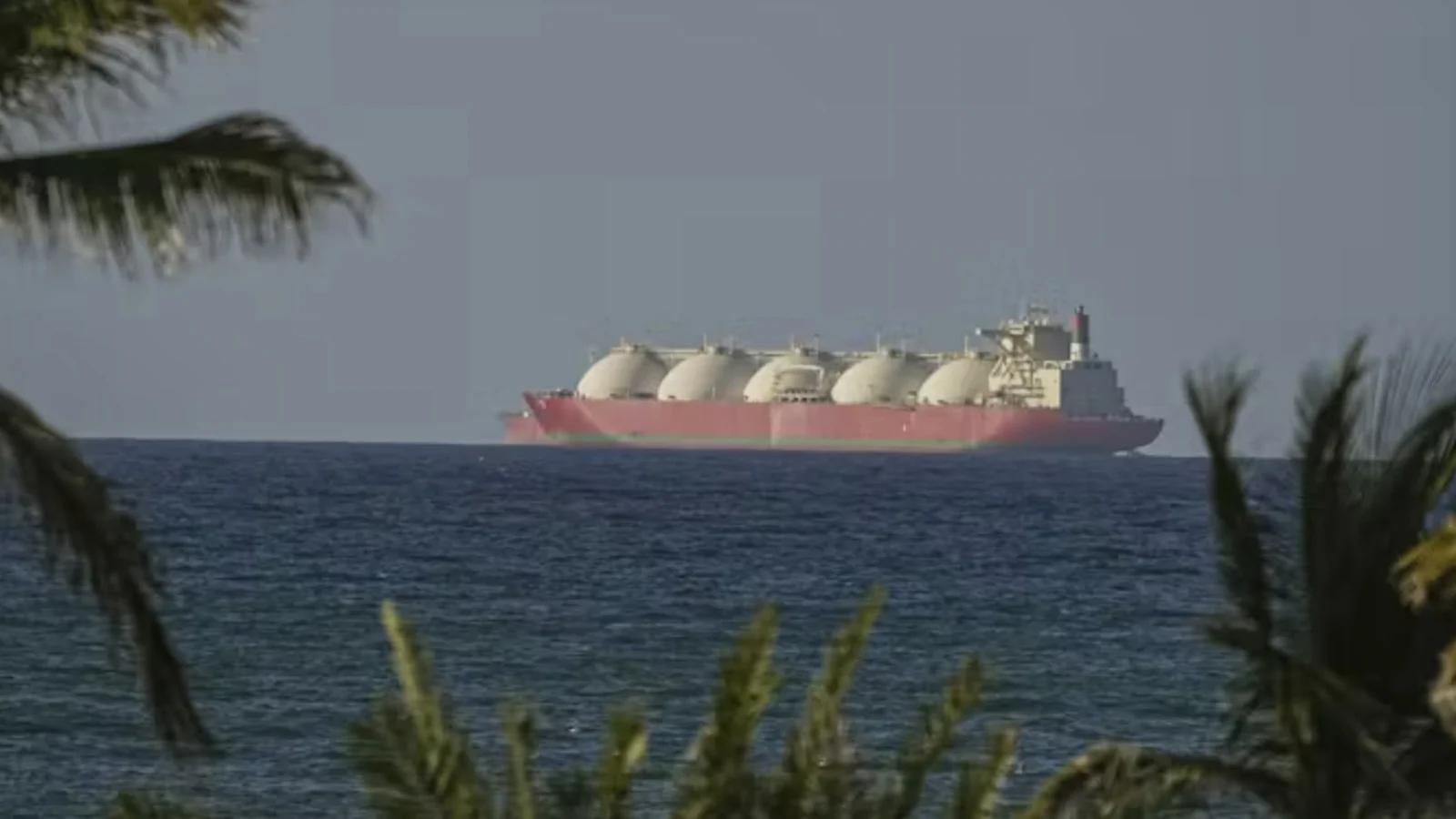
The Strait of Hormuz is a narrow ribbon of sea — only about 21 nautical miles at its slimmest — but its role in the global economy has always been outsized. Before this latest flare in regional conflict, roughly one-fifth of the world’s oil and gas moved past this chokepoint. In February, Iran alone was producing about 3.59 million barrels of crude per day, according to the International Energy Agency — roughly 3.5% of 2025’s global crude demand of about 105 million barrels per day. Those figures are not abstract; they are livelihoods, factory fuel, and the price of a bus ride.
What changed — and why it matters
On a social-media post that landed like thunder, the U.S. president announced that the U.S. Navy would begin “blockading any and all ships trying to enter, or leave, the Strait of Hormuz.” Central Command followed up with a formal notice: a blockade of Iranian ports and coastal areas was scheduled to start on April 13 at 10 a.m. Eastern time.
The aim, officials say, is strategic pressure — to stop what Washington describes as Iran’s practice of charging tolls for the safe passage of commercial vessels and to curb Tehran’s ability to export oil and gas. Iran, of course, has pushed back. “If you think closing the tap will not splash the world, you are mistaken,” a senior Iranian port official reportedly warned in a statement. Whether the blockade will be surgical, temporary, or spiral into something broader remains uncertain.
How a blockade works in practice
Sanctions by air are one thing; a blockade of sea lanes is another. Iran operates 11 major ports — eight on the southern reaches of the Arabian Gulf and the Gulf of Oman and three on the Caspian Sea to the north. Kharg Island, a battered hub offshore, handles about 90% of Iran’s crude exports. A blockade that targets those southern facilities strikes at the heart of the country’s export economy: in 2024, crude oil accounted for roughly 57% of Iran’s export revenue.
China has long been Tehran’s primary customer. In 2024, about 90% of Iran’s oil exports went to China, a relationship that ties the fate of the Persian Gulf to the factories and cities of East Asia. But the effects ripple out farther than that. Oil and petrochemical feedstocks transit these waters to refineries and chemical plants across the Middle East, South Asia and beyond.
On the decks and in the markets: immediate fallout
Traders felt the tremors immediately. Oil prices ticked upward again after the blockade announcement — a reaction that echoes a familiar market truth: when supply lines wobble, prices jump. Shipping companies, meanwhile, are caught between paying for risky passage and choosing longer, costlier detours around Africa’s Cape of Good Hope.
“We’ve had tankers call us and say they’re being asked for ‘tolls’ in yuan or even cryptocurrency,” says Lina Morales, an operations manager at a Mediterranean shipping firm. “That’s not a contractual clause any charterer expects.”
Insurance companies are recalibrating risk, too. When a waterway becomes contested, war-risk premiums can leap. Charterers and shipowners may face surcharges that add thousands — even tens of thousands — of dollars a day to a voyage, and some insurers may simply refuse coverage for transits through a hotspot.
- Direct energy impact: Iran’s output of about 3.59 million barrels per day is significant enough to tighten global supply.
- Shipping costs: rerouting adds days or weeks to voyages and raises fuel and crew expenses.
- Insurance and financing: war-risk premiums and lending terms become stricter and costlier.
- Regional trade: many Gulf states import essential materials and foodstuffs from Iran — from steel to dates to petrochemical feedstocks.
Fertiliser, farms and a tricky season ahead
There is a quieter, less dramatic thread to this story that may matter more to families than markets: fertiliser. Iran is a major producer of urea and the largest exporter of urea in the Gulf region. When supplies of fertiliser wobble, the effects are felt months later in the fields where seeds must be sown.
“We’re gearing up for the winter planting, but my neighbour already told me that his urea shipment has been delayed,” says Rakesh, a smallholder in India’s Punjab region. “Last season was tight. We cannot afford another.”
Countries as far away as Brazil and Australia — even if they don’t buy Iranian fertiliser directly — can feel the pinch from disrupted supply chains and higher global prices. Food security is not a distant, theoretical concern when inputs for planting become scarce or expensive.
Voices from the Strait
On the quay in Bandar Abbas, a port worker named Mahsa sips sweet tea and watches a navy patrol move along the waterline. “We are tired of being a chessboard for others’ pieces,” she says. “Our fathers traded fish for sugar and tea. Now our children trade their hope for headlines.”
A captain of a medium tanker, who asked not to be named, described the calculus shipping companies now face: “You weigh the extra days, the extra fuel, the insurance load. Then you decide if the cargo can bear the cost. Often it can’t.”
An energy analyst in London notes a structural truth: “Even when the Strait reopens, the memory of disruption pushes companies and governments to diversify — and that’s a long and expensive pivot.”
Beyond the immediate: what this blockade signals
The short-term drama is visible in charts and shipping manifests, but the long-term implications feed into bigger questions: How dependent is the global economy on a handful of chokepoints? How resilient are our supply chains when politics and power collide? And what investments will nations make to reduce that vulnerability?
For some countries, the answer is diversification — more crude suppliers, more refineries, different trade partners. For others, it’s acceleration toward alternatives: renewables, electrified transport, and more efficient industrial processes. Those transitions take years; the choices made now will shape costs for decades.
Questions to sit with
What if the world treated the vulnerability of a 21-nautical-mile strait as an urgent wake-up call rather than a recurring headline? How do you balance immediate geopolitical strategy with long-term global stability? And in towns like Bandar Abbas and farming villages from Punjab to Mato Grosso, how will people bridge the gap between macro decisions and daily needs?
Where we go from here
Reopening the Strait of Hormuz would calm markets for a while. But the episode underlines a broader truth: globalisation brought efficiency by threading supply chains through narrow passages, and those same threads can fray under geopolitical pressure.
In the days and weeks ahead, watch for three signals: whether the blockade is enforced and for how long, how quickly oil buyers — particularly China — can adjust sourcing, and whether countries accelerate investment in resilience: strategic stocks, regional refining capacity, and cleaner alternatives that reduce oil dependence.
Back onshore, Reza folds his net and stares at the horizon once more. “If the sea hides the ships,” he says, “we will have to learn new ways to cast our nets.” For a world that relies on that narrow channel, learning those new ways may be the only realistic path through this storm.