Gunshots, Gasps and the Gilded Night That Almost Wasn’t
It was supposed to be an evening of inside jokes and polished banter — Washington’s annual ritual where reporters and their sources trade barbs, empathy and a little vanity over too-expensive hors d’oeuvres. Instead, the Washington Hilton’s ballroom became an arena of confusion and fear on the night of April 25, when gunfire echoed through the chandeliers and a man with a cache of weapons barreled toward the lower-floor stage.
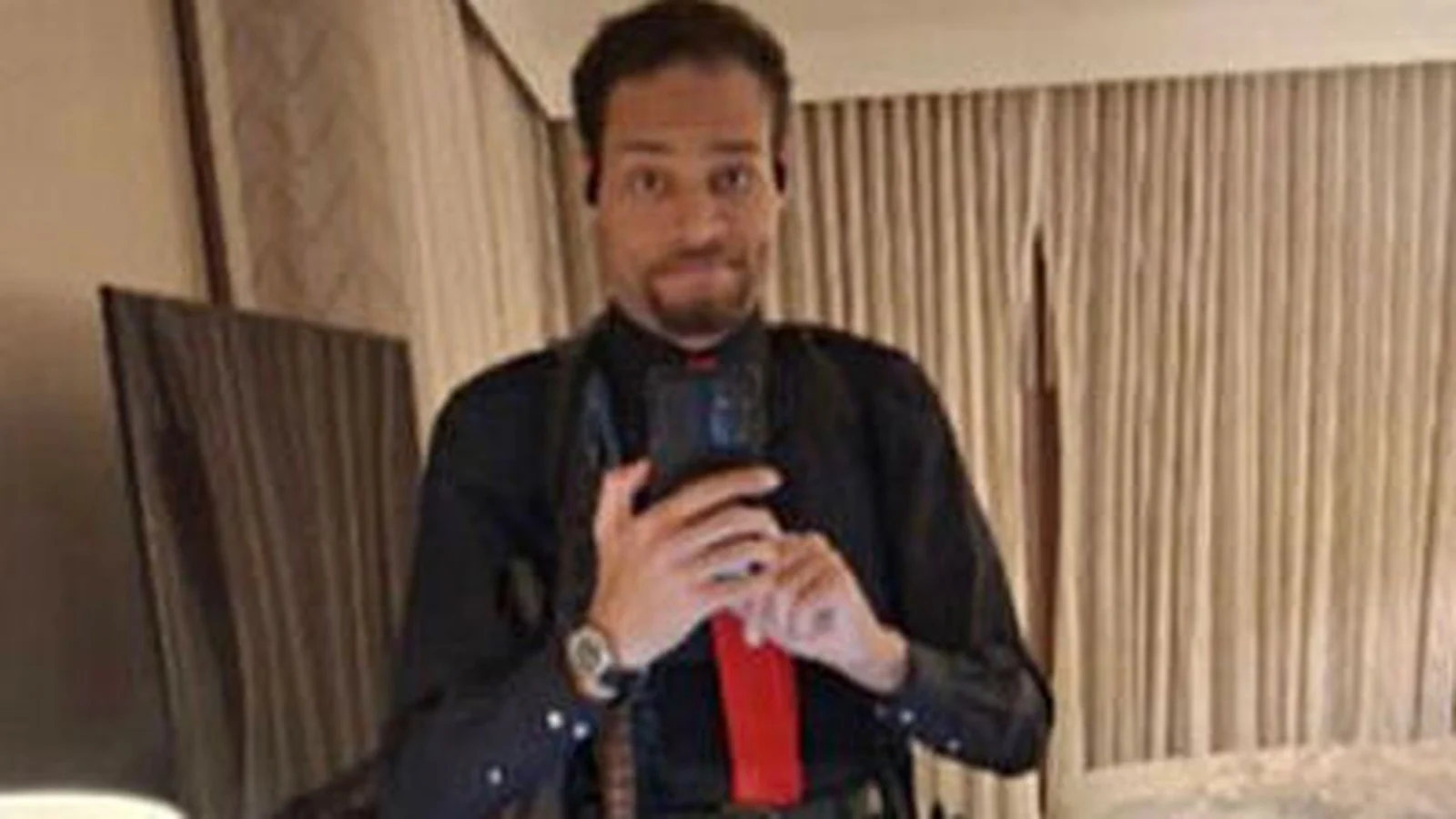
He is identified as 31-year-old Cole Allen, a California native who, according to prosecutors, traveled across the country by train carrying a shotgun, a handgun and multiple knives. He was subdued and arrested almost immediately after charging through a security checkpoint; a Secret Service officer fired multiple times but did not strike him. Allen later appeared in federal court in an orange jumpsuit and handcuffs and pleaded not guilty to four federal charges, including attempting to assassinate President Donald Trump.
What Happened in the Ballroom
Attendees say the room was a scramble of voices and polished shoes. Journalists who live for the whiplash of political theatre later described the scene in bewildered detail.
“It went from laughter to a stampede in seconds,” recalled Maria Thompson, a political reporter who was seated on the third row. “Someone shouted, ‘Everybody take cover.’ Then movement, people diving under tables. I can still hear the clink of champagne glasses and the thud of hundreds of shoes.”
The president, who had broken with the custom of skipping the dinner in recent years, was escorted out by Secret Service agents after the first shots were heard. Organizers later confirmed that Mr. Trump and other dignitaries were moved to safety within minutes.
The Charges
Federal prosecutors have framed the alleged attack as a clear and chilling attempt with a series of felonies that carry severe penalties.
- Attempted assassination of the President
- Transportation of firearms and ammunition across state lines with intent to commit a felony
- Using a firearm in relation to a crime of violence
- Assaulting a federal officer
If convicted, Allen faces the possibility of life in prison. The case will test not only the clarity of motive and intent, but also how the justice system treats politically charged acts in an era of deep polarization.
Who Is Cole Allen?
Prosecutors say Allen is a highly educated teacher and engineer. They say his journey from California to Washington was methodical — a cross-country trip ending not in sightseeing but with a staccato burst of violence. Details about his background are still emerging, and court filings have yet to fully reveal motive or whether he acted alone.
“We cannot rush to explanations,” said Caroline Ruiz, a criminal law professor at Georgetown. “The court must determine facts: travel plans, acquisition of weapons, communications, possible radicalization. In cases like this, the narrative can get ahead of evidence.”
The Wider Context: A Pattern of Threats
This incident marks at least the third alleged attack on President Trump within a two-year window, underscoring a grim pattern. In 2024, during a campaign rally in Butler, Pennsylvania, a gunman opened fire, killing an attendee and grazing the president’s ear. Months later, law enforcement arrested a man found with a firearm on a golf course in West Palm Beach where the president was playing.
America’s presidential security history is long and fraught. Four presidents have been assassinated — Lincoln, Garfield, McKinley and Kennedy — and presidents and candidates have faced dozens of threats and attempts over the centuries. The modern protective apparatus — the Secret Service, with its decades-long evolution — now must contend with a different landscape: social media-fueled rage, disinformation, and a proliferation of easily acquired weapons.
Voices from the Night
In the hours after the arrest, the hotel’s stairwells and nearby sidewalks filled with reporters, staffers and guests still shaking with adrenaline. Their stories were blunt and human.
“I saw a man go down right near the bar,” said Antoine Rivers, a caterer who’d worked the event for years. “He was tackled like in a movie. I didn’t think they were going to catch him so fast. It was like someone slammed the rewind on a scene and then had no idea how to put it back together.”
“You try to make sense of it — was it personal? was it political? — and you keep finding more questions than answers,” said Senator Elaine Park, who was present and later praised the speed of security. “We are fortunate no one else was killed or critically injured.”
Security, Society and the Cost of Violence
There are practical questions: How did weapons move across state lines undetected? How did a man with multiple weapons make it inside a secure venue? And there are larger, more uncomfortable questions about civic life.
Experts note that the United States wrestles with an unusually high prevalence of firearms. The Small Arms Survey estimates there are more guns than people in the U.S.; other sources put civilian firearm ownership at roughly 120 firearms per 100 residents in recent years — a figure that helps explain how weapons can show up where officials least expect them.
“When you combine easy access to weapons with political polarization and a culture of grievance, you have a combustible mix,” said Dr. Nikhil Banerjee, a sociologist who studies political violence. “We also see that radicalization often travels online, where echo chambers cultivate grievance into intent.”
What Comes Next?
Legally, Allen’s not-guilty plea sets the case on a familiar but consequential path: discovery, pre-trial hearings and, unless a plea deal is reached, a jury trial. Politically, the episode will likely intensify debates about security at public events, the balance between openness and safety, and how a democracy should respond when its leaders become targets.
For the journalists, staffers and servers who will return to the fold, the questions are more immediate: Do you accept that risk as part of the job? Can a press corps continue to gather in public spaces that are increasingly fraught?
“We cover conflict and power every day,” said Maria Thompson. “But this felt personal. It made me think: how much are we willing to risk for the stories that keep democracy transparent?”
Reflection: A Moment to Ask Hard Questions
As you read this, consider how a single night in a gilded ballroom exposes broader fractures — about safety, about politics, about how communities respond to violence. Are we becoming a society in which public life is more policed and less spontaneous? How do we protect leaders without walling off civic spaces? And how do we address the grievances — mental health, social isolation, extremism — that too often end in violence?
The courtroom will be where facts are weighed and statutes applied. The courthouse steps, the dinner tables and the social feeds will be where the country debates what it means to be safe, free and publicly engaged in a fraught moment. It is a conversation worth having — urgently, carefully and with empathy for those who walked out of a ballroom that night carrying more than the memory of spilled champagne.