Smoke Over the Capital: A New Leader, Old Fault Lines
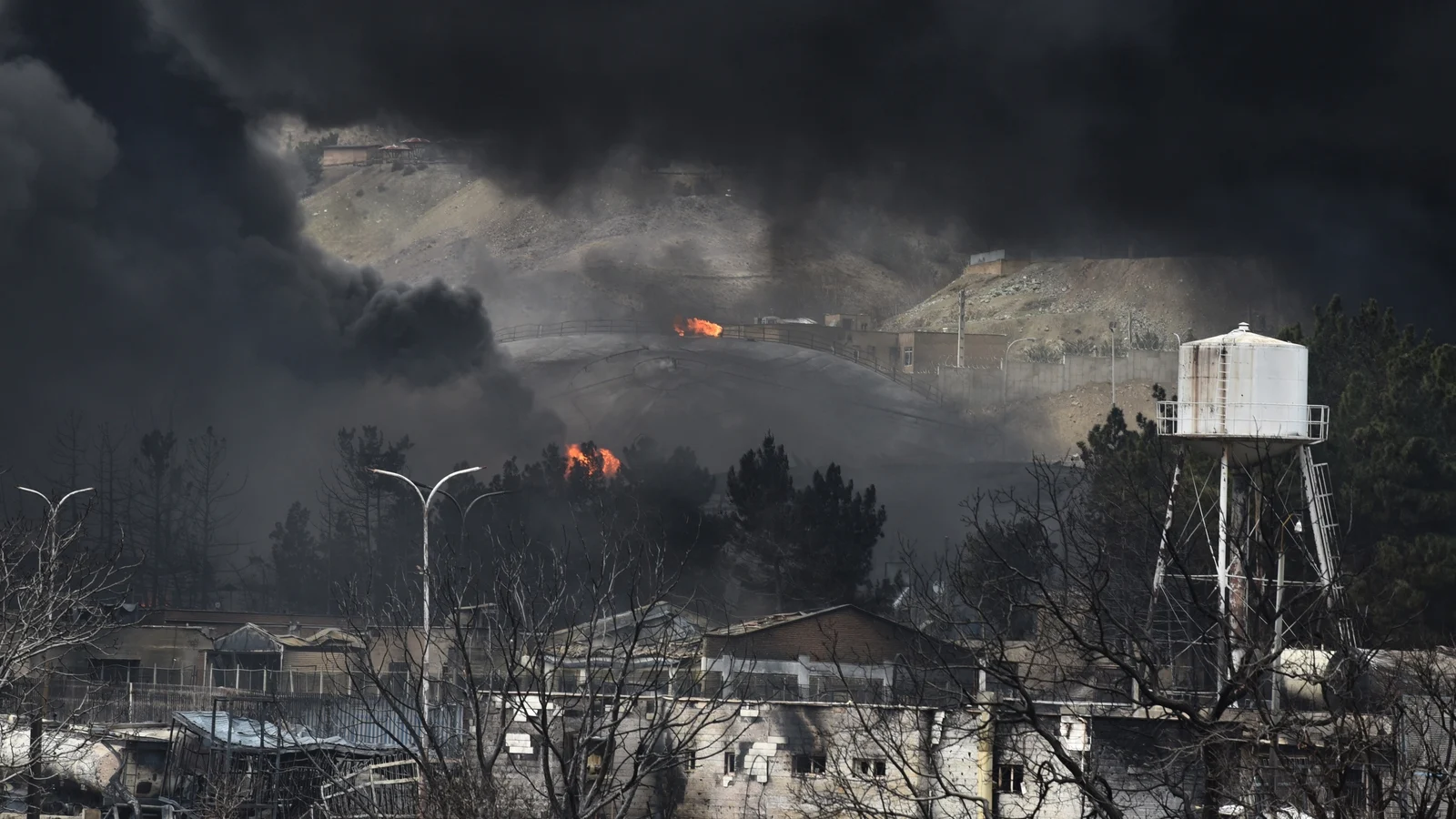
The sky above Tehran turned the color of scorched parchment as midnight flames painted the horizon. Acrid smoke rolled over apartment blocks and the scent of burning fuel seeped into the carpets of tea houses, smearing an already tense city with a new, metallic dread.
Nine days after a series of strikes that, according to regional reports, killed Iran’s long-standing supreme leader, clerics in the capital moved with extraordinary speed. An 88-member Assembly of Experts convened and presented a 56-year-old successor: Mojtaba Khamenei. The announcement was short, ceremonial, and defiant—made under the shadow of explosions and international threats.
“They chose him as if they were closing a wound with a bandage,” said Farideh, a shop owner near Valiasr Street, who asked that her full name not be used. “You could see the fear in the faces of the men at the corners, but there was also relief—like a family forcing itself to breathe after holding its breath too long.”
First Strikes, First Reactions
Almost immediately after the appointment, the region lurched further. Israeli forces announced strikes on installations in central Iran described as “regime infrastructure.” Iran answered in kind, firing missiles into Israel, bearing the slogan “At Your Command, Sayyid Mojtaba”—a slogan meant to enshrine a new leadership in blood and rhetoric.
Explosions were reported across the Gulf: Doha, Riyadh, Abu Dhabi, Kuwait City. Bahrain’s health ministry said 32 people were injured on the island of Sitra, including children. In the chaos, markets tumbled—Japan and South Korea opened sharply lower—and the price of Brent crude climbed past $100 a barrel, the first time since the shockwaves of Russia’s invasion of Ukraine four years prior.
“This is not just a regional skirmish,” said Dr. Laila Haddad, a political scientist specializing in Middle Eastern security. “When oil crosses that psychological threshold, the ripple effects are felt from Jakarta to Rotterdam. Financial markets translate conflict into scarcity faster than any diplomat can pick up the phone.”
The New Leader and the Old Guard
Mojtaba Khamenei steps into a role that in modern Iranian history has never been an easy stool to sit upon. The Revolutionary Guards—a potent blend of military muscle and ideological guardianship—swiftly pledged their loyalty. In a statement, the Guards vowed “complete obedience and self-sacrifice” to the new leader, language both solemn and chilling in its absolutism.
Analysts say little will change at the strategic level. “He is of the same cloth as his predecessor—hardline, deeply embedded with the IRGC,” a longtime regional analyst told me. “The question is less about policy than about stability: can a new, less experienced figurehead hold together the institutions in a time of war?”
Many in Tehran recall the revolution of 1979—born from a rejection of dynastic rule and foreign-backed monarchy. The irony of a potential familial succession is not lost on the public. “We toppled a Shah to avoid kingship,” said Reza, a retired middle-school teacher sipping tea outside a bustling bakery. “Now it feels like the same chess game but with different players.”
Voices from the Streets
In the hours after the attacks, people moved through the city with the hesitance of those who know the value of small routines. A fruit vendor nervously wrapped oranges in plastic. A grandmother covered her grandson’s ears. Windows were blown out in neighborhoods far from the blast sites.
“We are exhausted,” murmured Yasmin, a nurse at a central Tehran hospital. “We have been treating injured protesters, then injured civilians from these strikes. We have been stretched thin for months. There is a haunting sameness to it—the sirens, the crowds, the funerals.”
Widening Battlegrounds: The Gulf and Beyond
Iran’s retaliation has not been limited to Israel. Fuel depots near Tehran were struck; at least four people were reported killed and fuel distribution in the capital was “temporarily interrupted,” according to local officials. Air defences from Qatar to Kuwait reported intercepting missiles and drones. Saudi Arabia said it destroyed two drone waves aimed at the Shaybah oil field.
The U.S. response has been cautious and muscular at once. The State Department ordered non-emergency staff to leave Saudi Arabia following a drone strike on the U.S. embassy, and the Pentagon confirmed another American death—bringing the count to seven U.S. combat fatalities in the conflict, according to statements released by military spokespeople.
“We do not see a quick exit from this,” said a retired U.S. diplomat with decades of Middle East experience. “What we are witnessing is the transformation of proxy strikes into a broader regional contest, where major powers are testing limits without an agreed script.”
Human Costs and the Politics of Fear
The war’s human ledger is already grim. Reports indicate thousands were killed while security forces suppressed nationwide protests in the weeks before this latest escalation—though precise, independently verified numbers are difficult to obtain amid the fog of conflict.
Children, workers, and elderly civilians now count among the wounded from missile and drone barrages across the Gulf. In Bahrain, the health ministry detailed severe injuries to a 17-year-old girl and a two-month-old baby—names and faces that reduce geopolitical calculus to bedside tears and hospital corridors.
“Conflict writes itself into neighborhoods,” said Dr. Amal Nour, a humanitarian worker who has coordinated relief efforts in the region. “You cannot compartmentalize these events; they are cumulative. Each rocket, each sanction, each diplomat’s careful phrase contributes to a daily reality for families who only want to live.”
What’s at Stake Globally?
Ask yourself: how does a decision in a smoke-filled hall in Tehran affect your electricity bill, your grocery cart, your commute? These questions are uncomfortable because they reveal how interconnected the modern world is—how local violence metastasizes into global instability.
- Oil: Brent crude briefly surpassed $100 per barrel, signaling potential inflationary pressure on energy-dependent economies.
- Security: Multiple Gulf states reported missile or drone incidents; U.S. diplomatic and military presence in the region remains significant.
- Human impact: Thousands killed in earlier protests and scores injured in recent strikes underscore the civilian toll.
Looking Ahead: Fragility and Resilience
There are no tidy endings on this front. The lines have been redrawn not just across maps, but in the psyches of people who have lived through decades of conflict. The clerical assembly may have acted decisively; the Guards may have pledged fealty. But legitimacy is not only stamped in a document or echoed in an official statement—it is earned in hospital wards, at water taps, and in the whispered conversations of shopkeepers.
“The tragedy is we are always preparing for the worst,” said Farhad, a taxi driver who ferries people between neighborhoods that now bear the marks of blasts. “If peace is us being tired enough to stop fighting, then we have to ask—are we ever going to get to that exhaustion?”
For readers halfway across the globe, this is not a distant drama—it is a test of international institutions, a challenge to energy markets, and a mirror reflecting the fragility of modern governance. What kind of world do we want to inhabit when leaders choose to answer missiles with missiles, words with threats, and funerals with propaganda?
These are the questions that will define the months to come. For now, the city breathes smoke-filled breaths and waits.