A Quiet Scandal That Roared: Westminster’s Vetting Fiasco and the Price of Secrecy
On a cool Westminster morning, the marble corridors of power felt smaller than usual — as if the architecture itself were leaning in to listen. At the heart of the whispering was a single line of accusation: how could the government not know that one of its senior appointees had been red‑flagged by security vetting?
By the time Prime Minister Keir Starmer prepares to stand in the House of Commons, the story has stretched beyond one man’s appointment. It has become a question about trust, about the opaque systems that cradle national security, and about what happens when the civil service, intentionally or not, keeps ministers in the dark.
The immediate drama
Last week’s shock turned on an uncomfortable triangle: Peter Mandelson, once a central figure in past Labour governments, was appointed ambassador to Washington; UK Security Vetting (UKSV), the agency responsible for clearance, reportedly did not clear him; and senior officials in the Foreign Office did not alert ministers. When the truth emerged, the Foreign Office’s most senior official, Olly Robbins, was effectively removed from his post.
Down the marble steps and into the newsrooms, the language hardened quickly — “unforgivable,” “either lying or incompetent,” “a tawdry and shaming affair.” Those words were hurled by MPs and commentators, but they only echo an older, deeper unease: in a democracy, who watches those who watch the watchers?
How vetting is supposed to work — and where it went wrong
Developed Vetting (DV) is the most intensive level of security clearance in the UK. It involves deep interviews, background investigations and, where necessary, probing into personal associations. DV is used for roles where access to deeply sensitive material is routine — intelligence, defence, and some diplomatic posts.
The UKSV’s publicly available guidance notes that, when a “security risk has been identified,” there are limited circumstances where vetting information may be shared appropriately. That line — “limited circumstances” — is now the battlefield where rules, discretion and judgment collide.
A No 10 statement put out the legal framing soberly: while civil servants, rather than ministers, make vetting decisions, nothing in the law explicitly prevented officials from flagging a high‑level risk to the prime minister. “There is nothing in the guidance which prevented information being shared,” the statement read.
What we know — and what ministers say
Mr Starmer has said he was not told about the UKSV’s recommendation and that it was “astonishing” and “unforgivable” that he was kept in the dark. “I should have been told,” he told press. Across Westminster, that line — that a prime minister was not informed — has been treated as the core failure.
Down the corridor from No 10, opposition politicians have not been gentle. “Either lying or incompetent,” one senior Tory declared in public; another called the affair “shaming” and tied it to national security risks and diplomatic damage.
Inside the Foreign Office, sources with long careers in Whitehall took a different, quieter view. “We have a culture of protecting sensitive information,” said a veteran diplomat who asked not to be named. “Sometimes that translates into over‑caution. Other times it becomes secrecy by default.”
Faces in the story: not just officials, but people
Politics here is rarely abstract. At a café three blocks from Parliament, a young parliamentary researcher stirred her tea and shrugged. “People are exhausted with scandals,” she said. “But when it’s about national security and a public reassurance that turns out to be false, it bites differently.”
A retired security officer who spent decades doing clearance checks watched the story unfold with a practical eye. “Vetting is about assessing risk — not punishing people. If the services deem someone ‘high concern,’ that should be communicated up if the post is high‑impact. That’s common sense, not a loophole.”
What happens on Monday — and why it matters
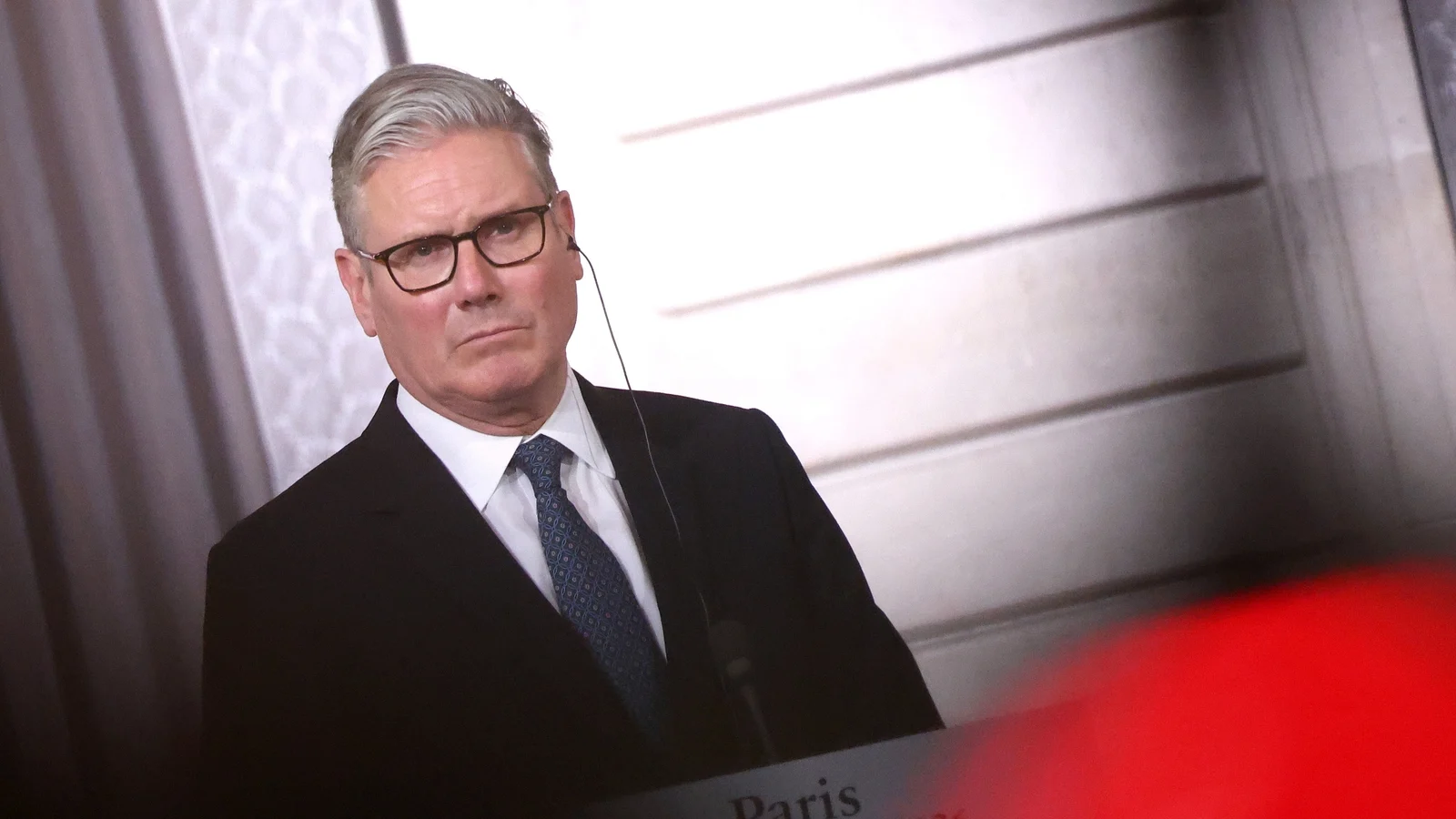
When the prime minister takes his place in the Commons, he will attempt to set out the facts, to insulate himself from accusations that he misled Parliament. Yet for many MPs this is already a test of the ministerial code, a litmus test for accountability at the top.
Calls for resignation have come not only from the opposition but from some corners of the Labour movement — voices worried about electoral fallout ahead of the packed May calendar, when English local elections and devolved contests in Scotland and Wales will test the party’s standing.
Why this is about more than one appointment
At a surface level, this story is about administrative failure. Dig deeper, and it points to three structural tensions that modern democracies must manage:
- Security vs. transparency: Agencies must protect sensitive data, but secrecy can obscure accountability.
- Professional bureaucracy vs. political oversight: Civil servants are guardians of the state across governments, but ministers need information to be accountable to Parliament and the public.
- Privacy law vs. public interest: Data protection matters, but when a potential national security risk meets a public office appointment, the scales tip toward disclosure, at least to those with responsibility.
Consider this: the public trusts institutions less than they did a decade ago. Surveys over recent years have repeatedly shown declining faith in government and experts. When that trust is fragile, administrative lapses can quickly become political earthquakes.
Questions we should be asking
What safeguards are in place to ensure ministers receive critical security information when appointments involve sensitive posts?
How do we prevent “institutional silence” — a learned practice where officials assume that secrecy is safer than honesty?
And perhaps the most uncomfortable: when secrecy fails, who bears the political cost — the officials who erred or the elected leaders who were left uninformed?
Endgame — transparency, reform, or more questions?
At its best, this scandal could be a point of reform. It could prompt clearer rules: when and how to flag vetting concerns to ministers, how to balance data protection with national security, and how to ensure record‑keeping and transparency in appointments to delicate roles.
At its worst, it will be treated as another Westminster scandal: heat today, headlines tomorrow, and no lasting fix. But the stakes are higher than reputation; they touch the integrity of democratic oversight itself.
As you read this, ask yourself: how much secrecy should Westminster be allowed in the name of security? And when transparency collides with privacy, who should decide where the line is drawn?
Whatever happens in the Commons, this story will live on as a test case — a small, bruising reminder that in democracies, processes are only as strong as the people who respect them. And when those processes fail, the public’s faith is the first casualty.