Early Morning Shock in Bristol: A Quiet Street, a Sudden Blast, and Lives Upended
At 6:30 on a damp Bristol morning, a burst of noise tore through the predawn hush of a neighbourhood where the rhythm of life is usually set by dog walkers and the clink of tea cups on window sills. The sound cracked open the ordinary: an explosion at a house that left two people dead, three others—one of them a child—injured and rushed to hospital, and an entire block shaken into a temporary exile while investigators moved in.
For a city of roughly half a million people—Bristol’s harbourside and terraces are stitched together with decades of history and the kinds of small, trusting daily interactions that make communities hum—this felt, in the words of neighbours, like a rupture in the fabric of the possible.
The Facts, as Police Have Set Them Out
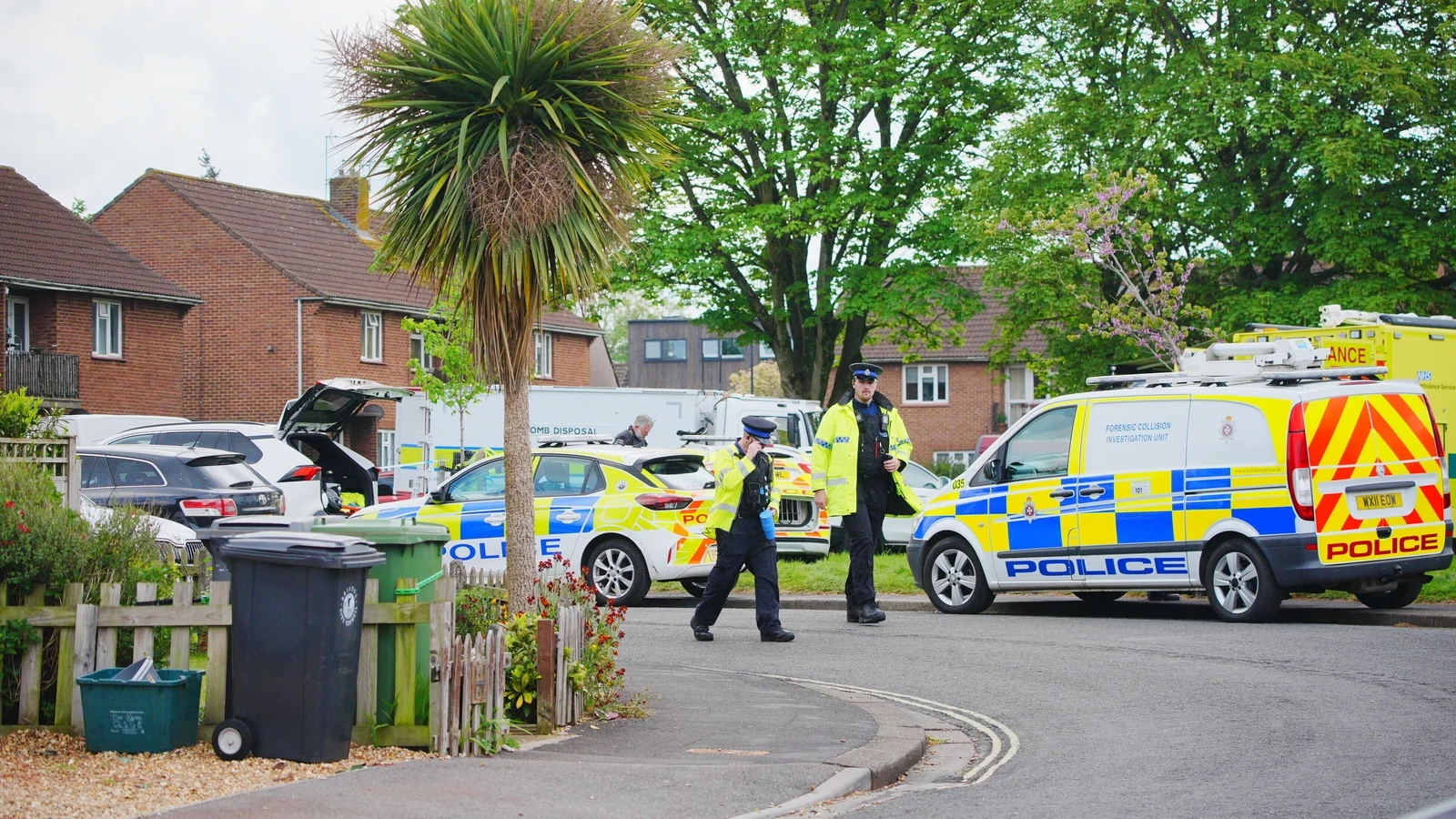
Avon and Somerset Police declared the event a major incident and described the cause of the blast as “suspicious.” Superintendent Matt Ebbs, speaking to reporters, confirmed the grim tally: “A woman and a man have died at the address and we’re treating the explosion as suspicious. Three people—a man, a woman and a child—were taken to hospital to be treated for minor injuries.”
Officers have also been carrying out enquiries at another property linked to one of the deceased. The force stressed that the blast is not being treated as a suspected terrorist act. As a precaution, specialist searches were carried out by the British Army’s Explosive Ordnance Disposal teams, and cordons were set up while people within the exclusion zone were evacuated to a temporary rest centre.
Timeline, In Brief
- Approximately 06:30 — Explosion heard at a residential address.
- Shortly after — Emergency services attend; major incident declared.
- Morning — Two people confirmed dead at the scene; three taken to hospital.
- Ongoing — Specialist EOD searches and enquiries at a linked property.
On the Ground: Voices from a Neighbourhood in Shock
“You could feel the house shudder,” said one neighbour, who asked not to be named. “At first I thought a tree had fallen. Then the sirens. Then the faces at windows—everybody was wide awake.”
Another local, a postman on his route, paused on the pavement and touched his scarf as if to steady himself. “This street is mostly families, older people, some students. We look out for each other. It’s surreal to see so many blue lights and to know something like this happened so close,” he said.
A volunteer at the rest centre spoke of the small, human logistics that follow a traumatic event: blankets, hot drinks, phone chargers, and a soft chair for an elderly resident who kept repeating a single comforting phrase—“Everyone’s okay now, we’re all out”—as if the words themselves could stitch a day back together.
Why the Army EOD Was Involved — And What That Means
When the British Army’s Explosive Ordnance Disposal (EOD) teams are called, it is often as much about caution as it is about confirmed danger. EOD specialists can carry out controlled searches, assess structural damage risks, and make safe any hazardous objects. “Their expertise is to rule out the worst outcomes quickly,” an emergency responder explained. “Leaving that to chance is not an option.”
The involvement of the military’s specialists underscores the complexity of the scene investigators face. For residents watching the methodical work—vehicles, white-suited specialists moving carefully through a house’s remains—it can be both reassuring and painfully slow.
Questions That Linger
Who were the people who died? What linked the second property now under investigation? What exactly caused the explosion?
Those are the kinds of practical questions that colleagues in the police department and forensic teams will be trying to answer in the days ahead. For neighbours and friends, the questions are more human and immediate: were there signs? Could anything have been done? Who will sit with the grieving family?
Context and Caution: What This Tells Us About Urban Safety
Explosions in residential settings are uncommon in the UK, but when they occur they strike at the heart of everyday security. Whether caused by gas leaks, accidental chemical reactions, or deliberate acts, the human cost is immediate and stark.
Emergency planners urge simple precautions that can reduce risk: install and test carbon monoxide and gas detectors, ensure older appliances are checked by qualified engineers, and keep flammable materials stored safely. Those are practical steps, but they can feel painfully small in the wake of loss.
Quick Safety Reminders
- Have gas appliances serviced annually by Gas Safe-registered engineers.
- Install carbon monoxide and gas detectors on every level of a home and test them monthly.
- Keep an emergency number list visible and know evacuation routes from your home.
Human Cost and Community Resonance
There is a particular quiet that follows a sudden local disaster—one part shock, two parts practical orchestration. Neighbours bring thermoses and sandwiches to the improvised rest centre. Councillors ring to offer support. The local church organises a vigil for those who want to gather. These responses are small, human, and essential.
“It’s how we cope,” the postman said. “You come together. You make tea. You stand here and listen to each other.”
Looking Outward: Bigger Themes
As the investigation continues, this blast invites larger reflection about how cities manage risk and support citizens through sudden trauma. It raises questions about housing safety standards, the capacity of emergency services when multiple incidents occur, and the role communities play in post-incident recovery. Globally, cities wrestle with these same themes: how to balance dense urban living with resilient infrastructure and robust social ties.
How do we build neighbourhoods that are safe and also compassionate? When the headline fades, how do we ensure the people most affected don’t disappear from memory?
What Comes Next
Investigations by the police and specialist teams will continue. For now, Avon and Somerset Police have asked anyone with information to come forward and urged residents to avoid the cordoned areas to allow emergency services to do their work. Hospital sources have said the injured are being treated for minor injuries—physically minor, at least; the emotional toll is another matter.
If you live nearby or were in the area that morning, you may find the news hits you in unexpected ways. Check in on neighbours. Offer practical help. And allow yourself to be affected—there is no neutral way to witness sudden loss in the place you live.
Note on sourcing: This piece includes on-the-record remarks from Avon and Somerset Police and accounts from neighbours and volunteers who spoke anonymously to protect their privacy. Some composite descriptions are used to convey the atmosphere at the scene.
Will this community recover? It will, as communities do—slowly, with the small acts of neighbours, officials, and volunteers. But recovery doesn’t erase grief. It teaches a neighbourhood to remember differently.