Two Activists, One Cell: A Small Ashkelon Courtroom and a Big, Complicated Debate
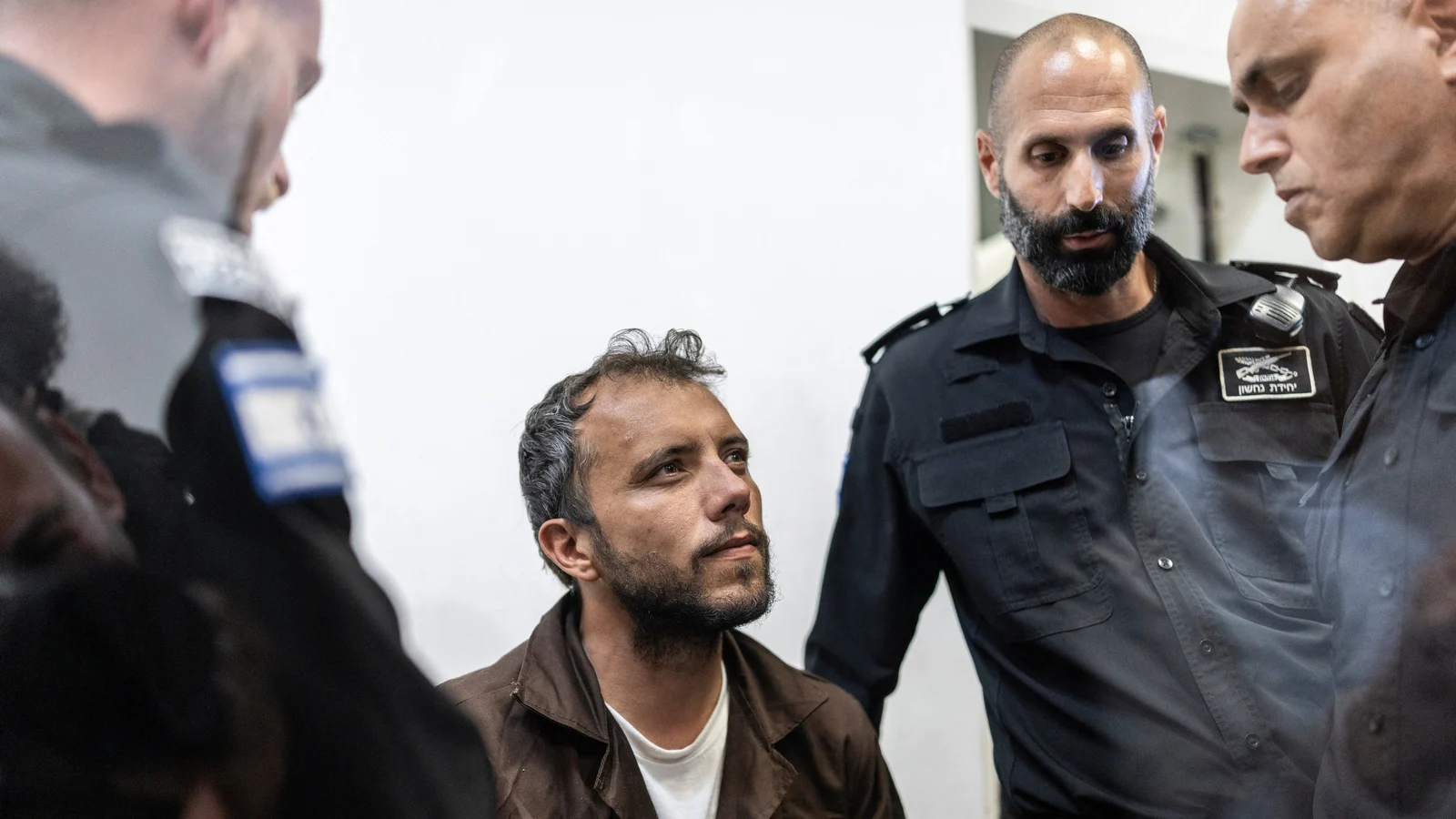
In a courthouse that smells faintly of coffee and disinfectant, two visitors to Israel sat with their legs shackled and faces tired from long nights and even longer questions. Their names—Saif Abu Keshek, a Spanish national, and Thiago Avila, from Brazil—are now tethered to a larger drama that moves across seas, legal maps and the fraught politics surrounding Gaza.
They were passengers on a flotilla that set out from European harbors with a simple, urgent aim: pierce the blockade around Gaza and deliver humanitarian supplies. But what began as a civilian mission turned into a legal and diplomatic standoff after Israeli forces intercepted the vessels off the coast of Greece. The two men were flown to Israel for questioning and have since been held in a prison in the southern city of Ashkelon.
What Happened in Court
At a second hearing held in Ashkelon, the court approved an extension of their detention until Sunday morning, a procedural move that will keep them in custody while authorities continue to investigate. Miriam Azem, international advocacy coordinator for the rights group Adalah, which is representing the pair, told reporters, “The court approved their detention until Sunday morning.” Adalah also said the activists had entered their sixth day of a hunger strike and were being kept in isolation.
Adalah has alleged that both men have been mistreated while detained—kept blindfolded whenever moved, subjected to near-constant high-intensity lighting in their cells, and in Mr. Avila’s case, held in uncomfortably cold conditions. “They are kept blindfolded at all times whenever they are moved outside their cells, including during medical examinations,” the organization said. Israeli authorities have denied these abuse claims.
Accusations and Contestations
The state attorney has reportedly presented serious accusations: alleged offences including “assisting the enemy during wartime” and “membership in and providing services to a terrorist organisation.” Israel’s foreign ministry has said both men are affiliated with the Popular Conference for Palestinians Abroad (PCPA), which the U.S. has accused of acting clandestinely on behalf of Hamas. The ministry characterized Mr. Abu Keshek as a leading PCPA member and said Mr. Avila was linked to the group and “suspected of illegal activity.”
Adalah’s lawyers countered with a jurisdictional challenge, describing what they called an “unlawful abduction” on the high seas. Who has the right to prosecute acts that began on international waters? Can a state’s security claims override long-accepted principles about where—and how—people may be apprehended? Those are not just technical questions for lawyers; they bear on the lives of the detained and on broader norms about maritime law, sovereignty and human rights.
People on the Ground: Voices from Ashkelon and the Mediterranean
Walking the seaside promenade of Ashkelon, you can hear seabirds and the low murmur of fishermen mending nets. “We are used to boats coming and going, but this—this felt like a story from far away coming home,” said Yossi Maimon, a fisherman who has worked these waters for three decades. “There is tension. People are worried about how this will affect trade, travel, and the fragile calm we have.”
On the other side of the story, a member of the flotilla who asked to speak anonymously described the mission in stark terms: “We were bringing food and medicine. We were not fighters. We thought the sea would be our route to help, not a courtroom.” Those words reflect the sentiments of many activists who have, in recent years, used flotillas to draw global attention to Gaza’s humanitarian plight.
Why This Matters: The Broader Context
Gaza has been under an Israeli blockade since 2007. The strip is home to roughly 2.3 million people and has faced chronic shortages of fuel, clean water, electricity and medical supplies for years—conditions that have only worsened amid the violence since October 2023. Throughout the conflict, access to aid has been one of the most stubbornly contested issues, with periodic closures of crossing points and complaints from humanitarian organizations about impeded deliveries.
Flotillas have become a symbolic and flashpoint tactic in that contest. The Global Sumud Flotilla—this voyage’s umbrella name—has tried before; last year, its first trip was intercepted off the coasts of Egypt and Gaza. Each interception becomes both a practical barrier to supplies and a high-profile moment in the media: video, testimony, and legal filings reverberate quickly across borders.
Key Facts at a Glance
- Gaza has been under land, sea and air blockade imposed by Israel since 2007.
- The population of Gaza is approximately 2.3 million people.
- International law distinguishes between actions on territorial seas, contiguous zones and high seas—jurisdictional claims can be legally complex.
- The Popular Conference for Palestinians Abroad (PCPA) has been accused by U.S. officials of clandestine ties to Hamas, a designation Israel and many Western countries treat as a militant group.
Human Costs and Legal Shadows
There is a human imagination to this story that often gets flattened by legal briefs and diplomatic notes. Two men in a cell, on a hunger strike, with their days measured by procedural calendars: that image lodges in the mind. “Hunger strikes are a language people use when they feel all other avenues are closed,” said Dr. Laila Haddad, a psychologist who has worked with detainees. “They are a plea for dignity and attention.”
And dignity is precisely what many families and activists say is at stake. “They treated my sister like a threat,” said an onlooker who came to the courthouse to show support, referring to detained activists she had met before the voyage. “But she was bending down to hand out medical kits to children. There’s a disconnect between people’s intentions and how they are perceived.”
Questions for the Reader
What do we expect from international law in moments like this? When humanitarian intention collides with national security claims, who gets to decide the truth? And how do we balance legitimate security concerns with urgent humanitarian needs that cross borders and seas?
These are not hypothetical quandaries. They shape who is free and who is detained, who receives medicine and who goes without, who is able to speak in court and who remains in the shadows under bright lights. They also touch on broader themes: the limits of activism in an age of securitization, the role of maritime resistance in modern protest, and the ways ordinary people—fisherfolk, lawyers, nurses—become actors in geopolitical theater.
What Comes Next
For now, the courtroom has ordered a brief extension of detention. The activists’ lawyers will press jurisdictional challenges and human rights groups will continue to document alleged mistreatment. Political and legal maneuvering will play out in Ashkelon and beyond—on social media, in foreign ministries, and in the crowded international human-rights landscape.
For those monitoring the story, the image endures: a small prison cell in southern Israel with a window to the Mediterranean and two men refusing food to draw attention to a crisis thousands have marched and mourned over. It is both a local moment and a global symbol—of contested seas, contested laws, and contested humanity.