Between Parades and Sirens: A May Morning That Refuses Simple Answers
On a cool Kyiv morning, the chestnut trees along Khreshchatyk showed their first tentative green, and shopkeepers swept their stoops with the same rhythm they have for years. Yet there was an undercurrent of unease — a quiet that looks like normalcy but listens for the wrong sound. For a city learning to live in wartime routines, this week felt like the pause before a tide.
“You learn to measure your day by small things: when the baker opens, when the tram bell rings, when children spill out of school,” said Lena, who runs a small grocery near Maidan Nezalezhnosti. “But today we were all checking our phones and each other. Not for a sale, but for a decision.”
The decision at the centre of that tension is both theatrical and deadly practical. Russia has declared a unilateral ceasefire for 8–10 May — a window that includes 9 May, the annual Victory Day commemorations in Moscow that Vladimir Putin has turned into a cornerstone of national mythmaking. In a move that reads like a chess play with human lives, Moscow has urged residents and foreign diplomats to leave Kyiv, warning of possible retaliatory strikes should the truce be broken.
Why a Parade Can Have a War Behind It
Victory Day is more than a ceremony in Russia: it is a carefully staged narrative of sacrifice, triumph, and national continuity. Tanks rolling across Red Square have been a visual shorthand of power for decades. This year, though, the Kremlin says military hardware will be absent from the procession for the first time in nearly 20 years — a detail that lays bare the anxieties beneath the pomp.
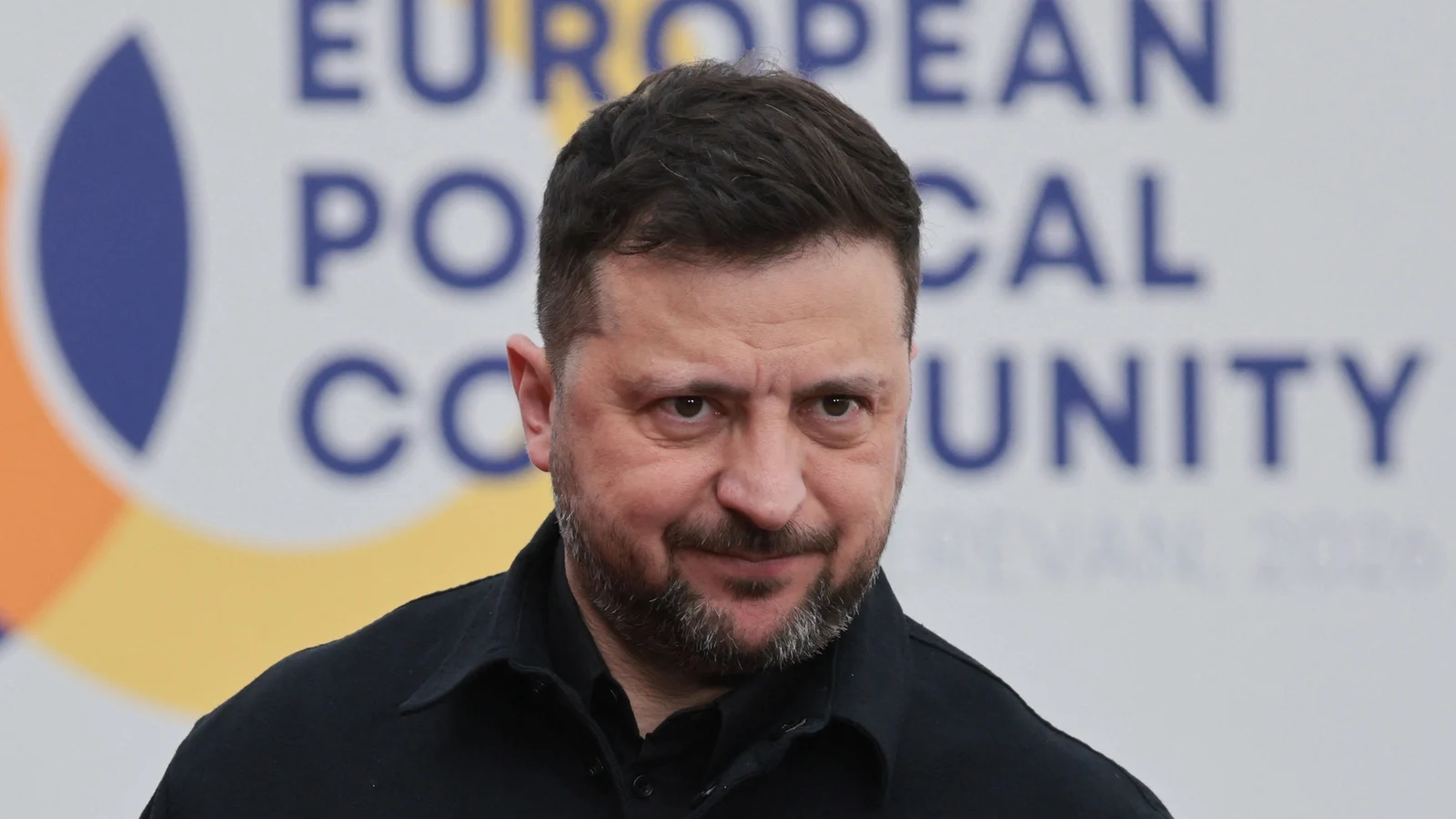
“They want, for one hour, to stand in a square safely,” President Volodymyr Zelensky said in a video address, “and then go on killing.” His bluntness captures the moral dissonance many Ukrainians felt when Moscow framed its pause as a gesture of remembrance while the war continues around it.
Diplomacy has been scrambling for nuance that the battlefield rarely affords. Kyiv proposed a counter-truce starting 6 May, a measure it said would create reciprocal safety for civilians. Moscow rejected that framing, insisting its pause was unilateral and warning that any Ukrainian strike during this period would provoke a response “in kind.” The Russian defence ministry reiterated the evacuation advice for foreign missions less than an hour before Mr Zelensky’s address, casting the day as a minefield of optics and decisions.
On the Ground: Voices and Visions
From pensioners clutching shopping bags to volunteers organizing medical kits in basements, the human patchwork of Kyiv has its own view on the standoff. “We have relatives in the east,” said Mykola, a retired teacher who spends afternoons feeding stray cats. “There is fear, yes, but also a deep bafflement at the idea you can put war on pause like a TV show for a parade.”
An aid worker who asked not to be named described the strain of planning: “If you tell people to leave, they leave their livelihoods, their elderly relatives — who will care for them? If you tell them to stay, who guarantees each life?”
These are not abstract questions. Since Russia’s full-scale invasion in February 2022, millions of Ukrainians have been displaced internally or across Europe. Cities have learned to absorb waves of movement and pause, but that adaptability carries a human toll: fractured communities, missed wages, and the quiet, cumulative exhaustion of living with contingency plans.
Strikes, Drones and a Broader Theater
In recent months, Kyiv has stepped up strikes using long-range drones and missiles, reaching deeper into Russian territory than earlier in the war. These operations have unsettled the Kremlin and fed a level of mutual deterrence rarely seen in recent European conflicts. Moscow’s warnings about the potential for retaliatory strikes during the ceasefire reflect a new, perilous choreography.
Global attention is split. While leaders and analysts weigh strategic calculations, ordinary citizens navigate fears that are immediate and local. “When I was a child we used to come to parks and hear stories from grandparents about the war,” said Kateryna, a 32-year-old nurse. “Now those stories are happening to our children. The parade in Moscow means a lot to them, but for me, the point is survival here.”
How the World Watches — and Decides
Even as Kyiv pleaded with allies to avoid appearing at Moscow’s parade — a diplomatic snub that would underline support for Ukraine and rejection of the Kremlin’s narrative — the international response has been cautious. The Kremlin, for its part, announced that only a handful of foreign leaders would attend, a roster reflecting shrinking global enthusiasm and the tightening of Moscow’s circle of partners.
“Diplomatic presence at any such event is a signal,” said Dr. Samuel Ortiz, a European security analyst based in Brussels. “Attendance would have been read as normalization. Absence is a costly but powerful refusal.”
These gestures are amplified by hard facts: hundreds of thousands of military engagements in the region since 2022, billions of dollars in military aid from Western allies to Kyiv, and a refugee crisis that remains one of the largest upheavals in Europe since World War II. Yet numbers only tell part of the story. Symbols—parades, flags, and the decision of an ambassador to attend or not—shape public narratives in ways that sometimes outstrip tactical battlefield gains.
Connectivity and Control
In a modern echo of old sieges, control of information has become a front. Moscow reportedly instituted intermittent city-wide internet disruptions, a reminder that in wartime the flow of information is as strategic as ammunition.
“When the lights of the internet go off, rumors flood in,” said a Kyiv-based journalist. “People start to narrate their fears to each other, and chaos takes root in human conversation.”
- 8–10 May: Russia announced a unilateral ceasefire.
- 9 May: Victory Day — traditionally a large military parade in Moscow.
- Kyiv offered a counter-truce beginning 6 May.
- Moscow warned of possible strikes if the truce is breached.
What This Moment Asks Us
There is a peculiar cruelty in staging commemoration while lives remain at stake. What does it mean to memorialize sacrifice while current sacrifices continue? Can the choreography of a parade coexist with the messy, irreducible reality of lives interrupted by war?
For residents here, these aren’t academic questions. They are decisions about whether to leave town for a few days, whether to tend the garden or pack the photograph albums. For the world, they are questions about what signals we want to send: solidarity, restraint, or a hardening of lines.
“I hope the day passes quietly,” said an elderly man selling flowers near a war memorial. “Not because I want peace in speeches, but because my granddaughter deserves another day to play.”
And you, reader—what would you do if the city you love asked you to leave for one day so that another country could stage a memorial? Would you be reassured or enraged? There are no easy answers, only human choices threaded through geopolitics.
Whatever happens on 9 May, this moment is a reminder: wars are fought not only with weapons, but with symbols, choices, and the stories nations tell themselves. The challenge is to see those stories clearly — and to decide which ones we will answer with presence, and which with absence.