Smoke on the Water: A Gulf in Flux and the Fragile Thread of Diplomacy
The sun rises low over the Persian Gulf, turning oil-slicked water into a molten mirror. Off Kharg Island, a key node in Iran’s oil exports, satellites have recently traced a stain of crude spreading across more than 52 square kilometres of sea — a stark, visible sign that the fallout from the region’s clashes is not merely geopolitical but ecological, too.
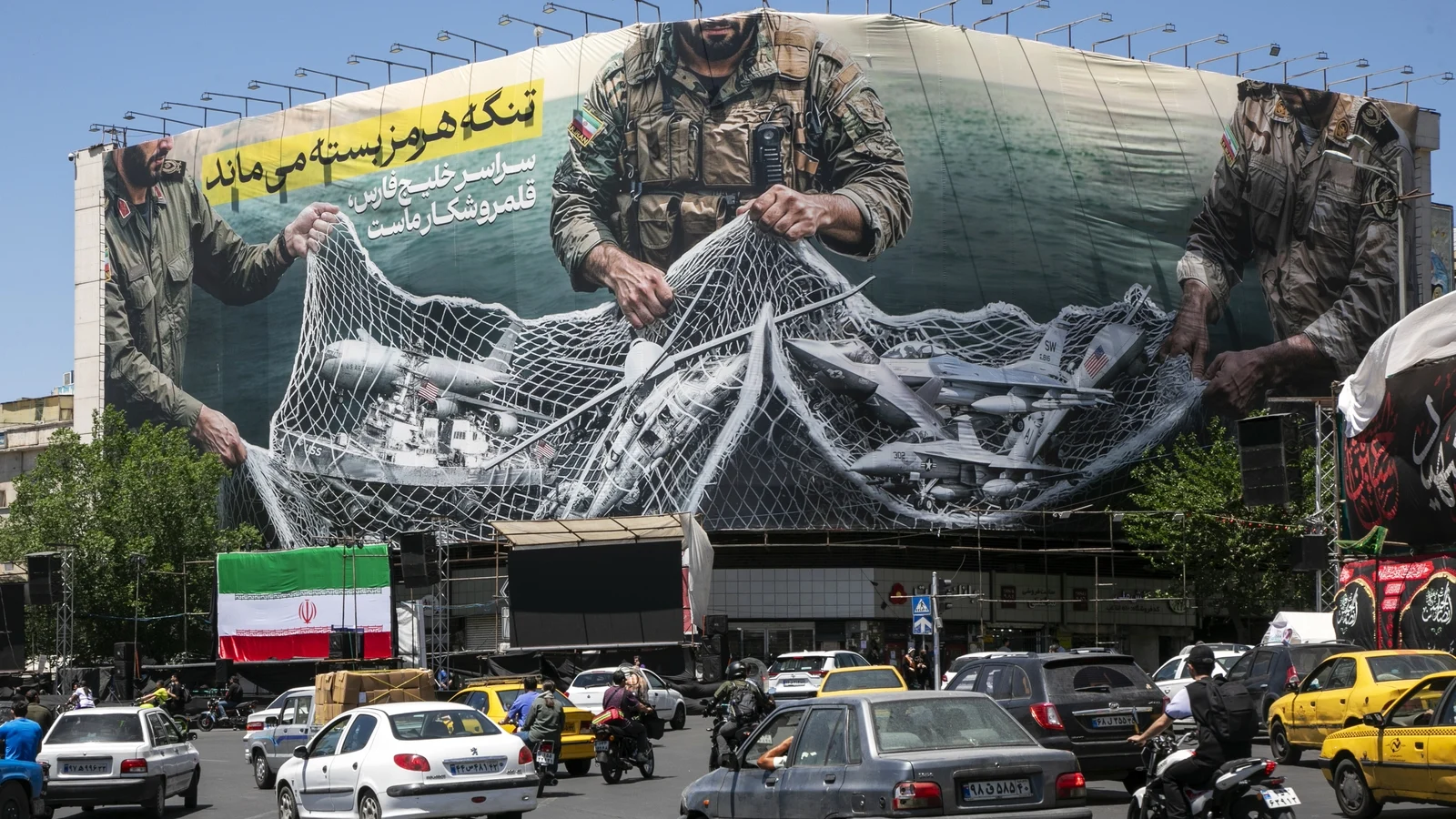
For weeks now, the Gulf has felt like a pressure cooker. Naval confrontations have become routine, missiles and drones have brushed past airspace and air defenses, and the language on both sides has hardened between threats and conditional offers of talks. Yet alongside this kinetic drama runs another, quieter storyline: negotiation attempts mediated by third parties, the slow, clumsy choreography of diplomacy in wartime.
Shots, Silence, and a Waiting Game
Late last week an F/A-18 Super Hornet — a flash of metal and thunder — disabled two Iranian-flagged tankers in the Gulf of Oman. U.S. Central Command said the strike used precision munitions to prevent the vessels from breaching a naval blockade intended to choke off Iranian exports to its ports. Tehran’s spokespeople described the attacks as acts of “American terrorism” and claimed their forces had responded in kind before the exchanges subsided.
“We are living the war on the water,” said Reza, a deckhand who has worked ships out of the southern ports for two decades and asked that his full name not be used. “Boats aren’t moving. The radio is full of warnings. Everyone is looking at the horizon for the sound of aircraft.”
There was supposed to be a response to Washington’s latest proposal to extend a fragile truce and open the door to negotiations. U.S. leaders said they expected Tehran to reply “tonight.” If an answer moved through Pakistani intermediaries — who have been quietly shepherding ceasefire talks — there was no public sign of it. In Tehran, Foreign Minister Abbas Araghchi told his Turkish counterpart that recent U.S. actions in the Gulf have only deepened doubts about Washington’s sincerity.
“The recent escalation of tensions by American forces… has added to suspicions about the motivation and seriousness of the American side in the path of diplomacy,” Araghchi said in a statement carried by Iran’s state media. That distrust hangs over any possibility of a negotiated peace like a low cloud ready to come down.
When Diplomacy Is Interrupted by Missiles and Mistrust
Diplomatic channels are alive, yet strained. Pakistan has been pitching itself once more as a mediator; Qatar has quietly hosted envoys and its prime minister met with U.S. officials in Washington to discuss Pakistani-led efforts. Small, pragmatic acts of statecraft continue while the theatre of war threatens to drown them out.
“Mediation works on credibility and patience,” said Laila Haddad, a Doha-based conflict resolution specialist. “If military actors keep acting as if diplomacy is a cover for weak resolve, the whole process collapses. Confidence-building is not theatrical; it’s consistence day-to-day, and that’s what has been most missing.”
There are competing narratives about the leverage on the table. A U.S. intelligence assessment — reported by major outlets — suggested a blockade of Iranian ports might not inflict severe economic pain on Iran for roughly another four months, implying a limited window for Washington to press Tehran militarily while using the blockade as leverage. A senior U.S. intelligence official pushed back on that framing, insisting the blockade was already inflicting “real, compounding damage.”
- Strait of Hormuz: roughly one-fifth of global seaborne oil passes through this chokepoint in calmer times.
- Kharg Island: a central export terminal for Iran, now at the centre of an oil contamination incident covering more than 52 sq km (Orbital EOS).
- Civilians: The UAE reported air defenses engaging with incoming missiles and drones, and three people sustained moderate injuries in one such exchange.
Allies, Allies in Name and in Tension
The conflict is testing alliances. European leaders have spoken of keeping NATO’s machinery intact even as differences over the Iran war expose rifts between Washington and key partners. Germany’s chancellor reiterated that Europe wants the alliance to function, even while disagreeing on how to confront Tehran. “We are willing to keep this alliance alive,” he said, underlining a shared goal — preventing nuclear proliferation — even as tactics diverge.
“Partnership isn’t about unanimous cheerleading,” said Henrik Olofsson, a Stockholm-based analyst. “It’s about finding common outcomes with different strategies. Right now, however, those strategies look unaligned.”
Local Voices, Global Ripples
On the ground, the consequences are immediate and intimate. At a small teahouse near the port, an oil worker named Fatemeh cradled a teacup and watched news footage of the disabled tankers. “We are tired of being the arena for the big players,” she said. “My son cannot find steady work because vessels are turning back. We are watching our sea die.”
Environmental advocates warn the spill near Kharg Island could compound long-term damage. Early reports said the slick had “much reduced” the following day, suggesting a leaking infrastructure incident rather than a fresh barrage of tanker hits. But even temporary contamination undermines fisheries, livelihoods, and the fragile coastal ecosystems that many communities rely on.
“These are slow-moving catastrophes,” said Dr. Amina Nasser, a marine ecologist. “Oil doesn’t only smother birds; it infiltrates food chains and economies. When a shipping lane is used as leverage, the cost is paid disproportionately by ordinary people and the environment.”
Why Should Anyone Outside the Region Care?
Because the Gulf remains a linchpin of global energy flows and geopolitical stability. Disruptions can ripple through stock markets, pump prices at the gas station, and force policy recalibrations from Tokyo to London to Lagos. Because the story isn’t only tanks and jets; it’s about whether war can be kept local or whether nuclear ambitions, proxy conflicts, and alliance fractures will pull the wider world in.
And finally, because what happens here raises a question worth asking aloud: when conventional power and coercion sit uncomfortably beside the slow, uncertain work of diplomacy, how do we choose which to prioritize?
Paths Forward — Or Deeper Into the Fog
For now, the truce extension remains on a hinge. Mediators scrabble for momentum. Naval commanders continue patrols. Environmental teams survey oil, and families wait for ships to return. The Gulf is a place of trade and tradition, of fishermen, oil workers, diplomats and soldiers. Each is a reminder that in geopolitics the human cost is not abstract.
“If we cannot make room for real talks, this will keep coming back,” Laila Haddad warned. “And the price will grow, measured in livelihoods, in ecosystems, and in the patient trust that diplomacy requires.”
Are we prepared to accept that price? Or will the next round of strikes, sanctions, and countermeasures be the push that finally forces parties to sit and dismantle the machinery of mistrust? The Gulf’s calm is brittle; whether it holds will depend as much on the quiet work of negotiation as on the thunder of jets.