A country at a crossroads: Streets that refuse to be silenced
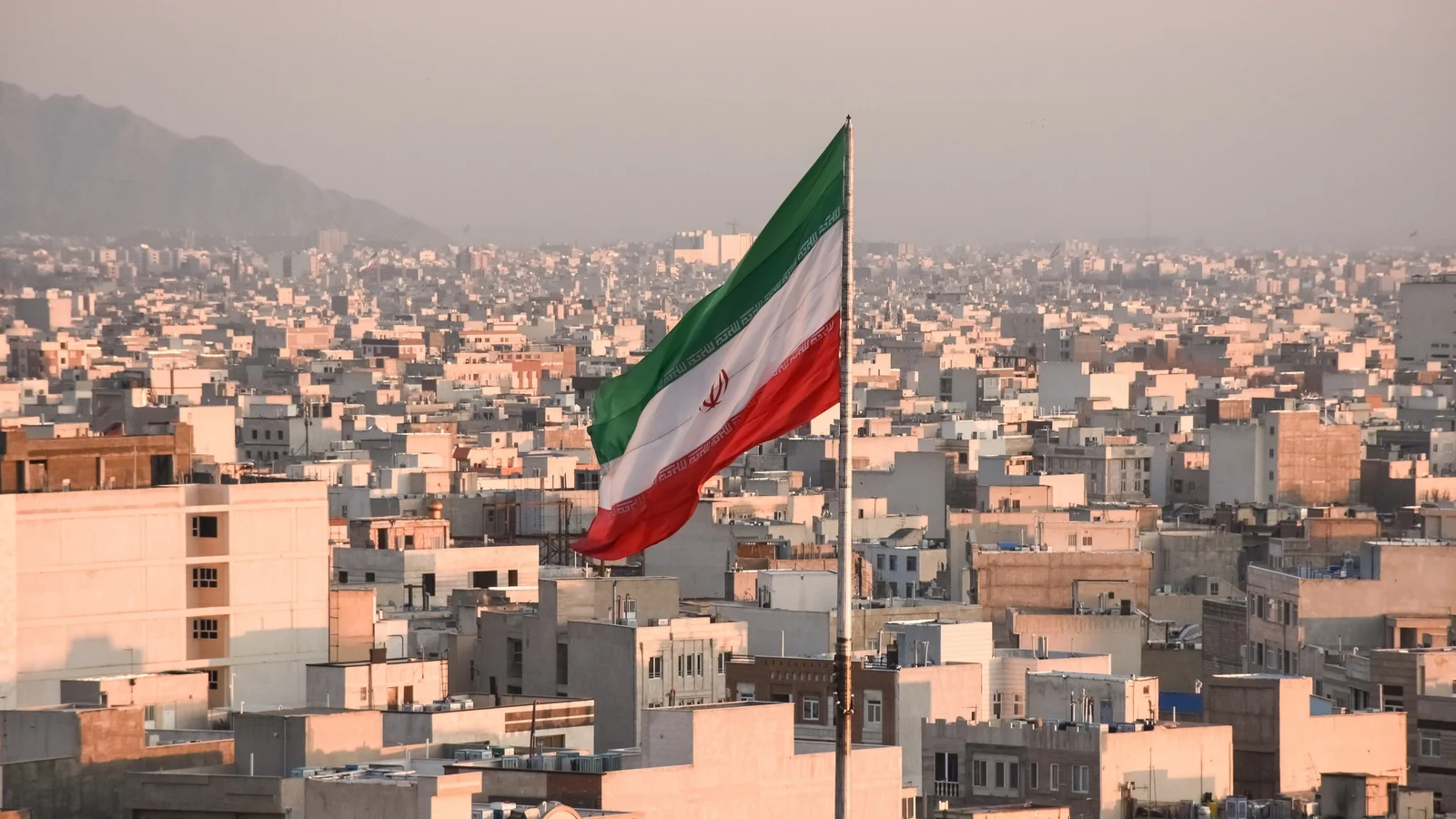
Walk through a Tehran market at dusk and you can still smell the saffron and frying flatbread — ordinary life threaded through the extraordinary. But over the last fortnight, those alleys and plazas have pulsed with something else: chants, the clang of rolling shutters being pulled shut, the echo of slogans that used to be whispered. What began in small demonstrations has rippled into one of the most sustained bursts of dissent Iran has seen in years.
“We are not just angry about prices anymore,” said a young woman who gave her name as Laleh, speaking quietly in a side street near the bazaar. “We want dignity. We want a say.” Her voice was soft but steady, the kind of voice that has been heard in squares across the country for days.
From breadlines to bold demands
The current wave of unrest has its roots in bread-and-butter grievances — soaring costs, shrinking job prospects, and a currency that has bled value over decades of sanctions and economic mismanagement. But it has taken a sharper turn. Protesters are no longer limited to economic demands; many are openly challenging the political order born in 1979, calling into question the authority of clerical rule and the system that sustains it.
Analysts watching the movement note the unusual mix of people on the streets: young women, shopkeepers, students, and older men who remember other moments of national upheaval. The protests began with strikes at Tehran’s bazaar late last month and quickly spread to other cities. Where past demonstrations swirled around a single spark — the disputed election protests of 2009, or the 2022 unrest after Mahsa Amini’s death in custody — this moment carries a broader, more systemic energy.
The numbers that matter — and those we don’t fully know
Exact figures are always hard to pin down in a fast-moving protest environment, and the authorities’ usual tactic of throttling or cutting internet access has made verifying on-the-ground claims difficult. Human rights groups say the crackdown has been lethal — with reports of hundreds killed — though access and reliable counts remain constrained.
“There’s a fog of information,” said a digital rights researcher who asked not to be named. “When networks vanish, the world loses its windows into the streets.” Yet even with restricted communications, images and voices filter out: tear-streaked faces, empty university lecture halls, and shopfronts closed by defiant owners.
The state’s response: force, rhetoric, and theatre
The Iranian state has mobilised its instruments of control quickly and visibly. Security forces and the Islamic Revolutionary Guard Corps (IRGC) have been deployed in cities large and small. Official media has broadcast counter-rallies where thousands gather in fervent support of the Supreme Leader, Ayatollah Ali Khamenei, who has been the country’s highest authority since 1989.
“The government moves like a colossus,” said a political scientist watching from abroad. “It has deep institutional muscle — from security services to state broadcasters — and it has used those levers to stifle dissent before.”
At the same time, Tehran’s authorities have sought to reclaim the narrative. State channels have framed the protests as the product of foreign interference, while religious and local officials appear on television urging calm and loyalty. Back at the bazaar, a grocer named Farhad pointed to a radio and said, “They tell us to be careful of outsiders. But it’s our sons and daughters in the street.”
Cracks — real or imagined?
For any protest movement to translate into political change, observers say, there must be fractures within the institutions of power and the security apparatus. So far, those pillars — parliament, the executive, and the IRGC — have publicly lined up behind Khamenei. There is no clear sign of mass defections among the security forces or a decisive split at the top.
“History teaches us that elites breaking ranks is usually the decisive moment,” said an academic who studies revolutions. “Absent that, regimes are resilient. They withstand even prolonged unrest.”
Yet resilience is not unassailable. Some analysts argue the state has been weakened by years of economic strain, international isolation, and the political scars left by the 1980–88 Iran–Iraq war. The calculus changes if key military or clerical figures recalibrate their allegiance; until then, the balance of power favors the incumbents.
What the diaspora and opposition figures are doing
From Los Angeles to London, Iranians in exile have been vocal. Reza Pahlavi, the son of the deposed shah and a polarising figure among the diaspora, has urged larger demonstrations and occasionally appeared as a symbol for monarchy-leaning chants on the streets inside Iran. But the exiled opposition remains fractured — decades of exile politics have splintered into competing factions.
“You can have the loudest voice abroad, but it won’t replace organised leadership on the ground,” a longtime Iran watcher said. “The diaspora is a chorus with many singers, not a single conductor.”
Voices from the street: anger, hope, fear
A mother named Mahsa (not the same woman whose 2022 death sparked earlier protests) stood outside a school in Shiraz and watched a convoy of police cars pass. “I walked with my children today,” she said, “because if we do not demand something now, what will our children inherit?” Her hands shook when she spoke of fear — but there was also a fierceness there.
On the other side of town, at a pro-government rally, a factory worker named Reza told a reporter, “My family relies on stability to keep food on the table. I don’t want chaos.” These are two sides of the same coin: both anxious about the future, both desperately searching for security.
Why the world is watching — and why it matters
What happens in Iran has ripple effects far beyond its borders. The country sits at the crossroads of the Middle East’s long-standing geopolitical rivalries. An internal meltdown or a prolonged, blood-soaked stalemate would deepen regional instability. Western capitals watch for two things in particular: whether the IRGC fractures and whether foreign powers might be drawn into direct confrontation.
Some voices in the West have suggested sanctions or diplomatic pressure; others have hinted at the spectre of military involvement. A direct external intervention, analysts warn, would fundamentally alter the dynamic — likely in ways that would hurt ordinary Iranians most.
Where do we go from here?
No crystal ball exists for a country as complex and tightly controlled as Iran. The immediate future will be shaped by three interlocking threads: the persistence and organisation of protesters, the cohesion of security forces, and the response of the international community. Each thread is frayed and uncertain.
So I ask you, reader: when citizens rise not only for cheaper bread but for broader political dignity, how should the world balance solidarity with prudence? How do you support human rights without becoming a footnote in someone else’s war?
For Iranians on the ground, choices are more immediate and raw. Do they push, retreat, or endure a long, grinding contest of wills? The answer will not come in a day — and yet, on streets where voices once whispered, the sound of speaking up now rings clear. The rest of the world can listen, learn, and hope that whatever comes next reduces suffering and expands the space for ordinary lives to flourish.