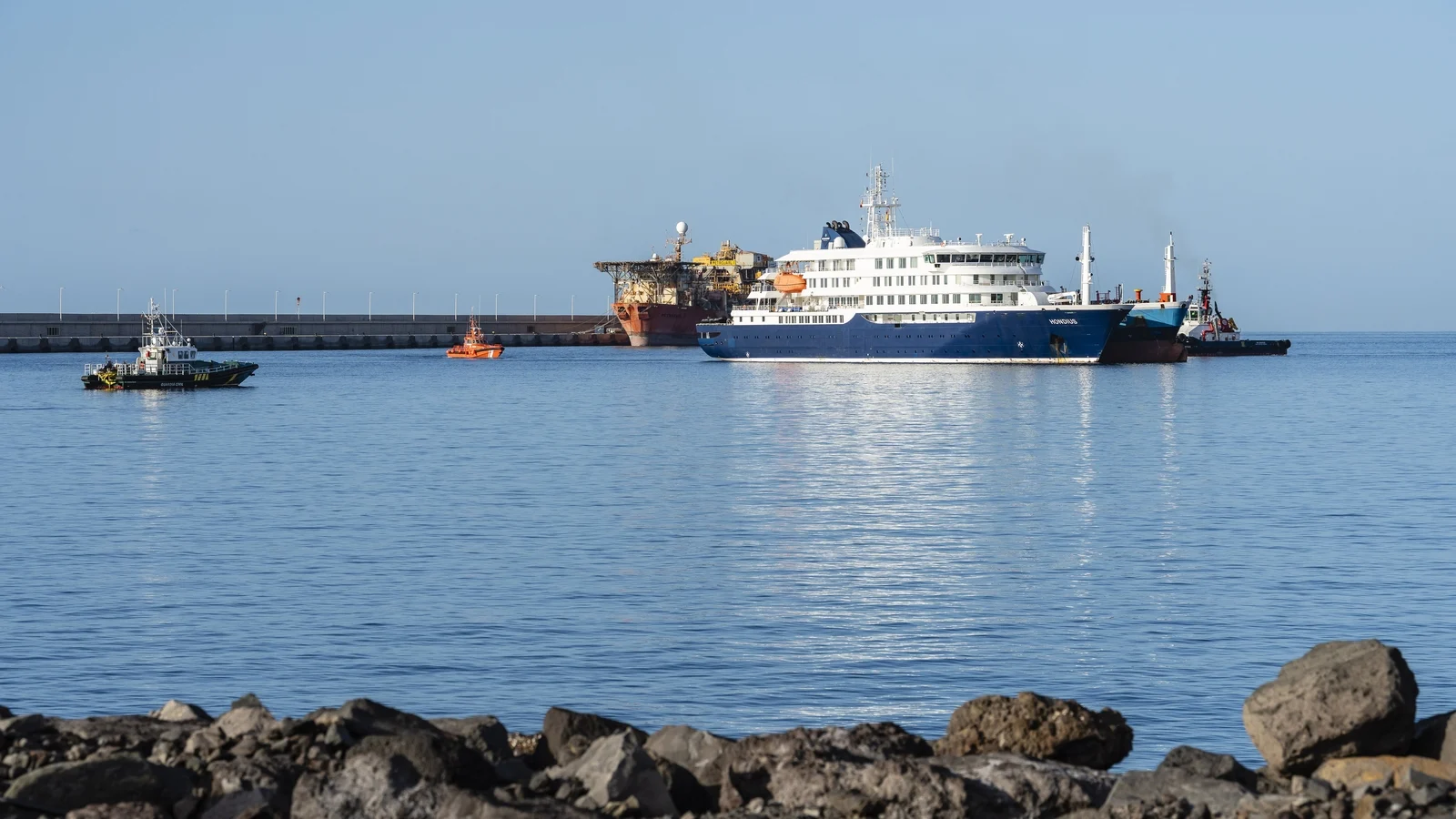
The Quiet Alarm on the High Seas: A Cruise, a Rare Virus, and the Unease It Leaves Behind
There is a peculiar stillness that comes after the ship’s engines quiet and the horizon swallows the last streak of light. On the MV Hondius, passengers who had spent days watching albatrosses wheel and the Atlantic swell felt that hush turn into something far more disquieting: a medical mystery with roots in the low, secretive world of rodents and the rugged mountains of South America.
Earlier this month, Canadian public health officials confirmed that one of four Canadians identified as high-risk contacts from that voyage has returned a presumptive positive test for Andes hantavirus. The patient, who was being monitored in self-isolation in British Columbia, and their spouse — both recently hospitalized and kept in strict isolation — now stand at the center of a cautious public-health response that blends old-fashioned epidemiology with the nervous vigilance of a post-pandemic world.
What is Andes hantavirus — and why it matters
Hantaviruses are a family of viruses carried primarily by rodents. Most strains infect people through contact with contaminated rodent urine, droppings or saliva. But the Andes strain is unusual: researchers have documented chains of person-to-person transmission, particularly in southern Argentina and Chile, making it the only hantavirus known to spread between humans.
“We’re not looking at a flu on a ship,” said Dr. Maya Singh, an infectious disease physician based in Vancouver. “Andes hantavirus causes hantavirus pulmonary syndrome, a severe respiratory disease. Historically, HPS has carried a very high case-fatality rate — often quoted in the 30 to 40 percent range. That’s why public health teams respond quickly when there’s any hint of it.”
Globally, the outbreak tied to the cruise has already been tragic: three people have died. Overnight, a handful of passengers and crew found themselves moved from the deckside dinners and lecture halls into isolation cabins and hospital wards. For now, health officials in Canada characterize the broader risk to the population as low — but “low” in public health is a cautious, qualified term, not a pronouncement of complacency.
How authorities are handling it
Public health teams conducted contact tracing, identified those considered “high risk” — people who had close, prolonged contact with symptomatic individuals — and advised self-isolation with monitoring for symptoms. Testing began with screening assays that can be reported as “presumptive positive,” with confirmatory PCR and serology to follow over the next few days.
“Out of an abundance of caution, we moved people to hospital for assessment,” a provincial health official told me. “We’re treating this with the seriousness it deserves while reassuring the public that transmission outside close contacts remains unlikely.”
- Key known facts: the ship departed Argentina on April 1 and sailed across the Atlantic before the outbreak surfaced.
- Andes hantavirus is the only species of hantavirus with demonstrated human-to-human transmission.
- No specific vaccine or antiviral therapy exists; treatment is supportive and often requires intensive care, including ventilation or extracorporeal membrane oxygenation (ECMO) in severe cases.
- Globally linked fatalities connected to this outbreak stand at three.
Voices from the voyage and the community
“We were supposed to be photographing penguins and glaciers,” said Maria Lopes, a former passenger who disembarked early when the ship diverted. Her voice, still carrying the cadence of someone who had recently left sea spray and organized chaos behind, faltered when she described the sudden change in atmosphere. “Then there were sealed corridors, medical staff in protective gear, and a calm that felt a lot like fear.”
Inside British Columbia, the local hospital’s isolation wing has become, briefly, an island of its own. Nurses move like caretakers in old seafaring tales — purposeful, quietly comforting. “We’re used to infections, but we’re always learning,” said one nurse who asked not to be named. “You don’t forget the faces of people you keep alive.”
Back in Argentina and Chile, where Andes virus has a long ecological history, epidemiologists say the pattern is familiar: human cases tend to follow rodent population surges, which in turn tie back to weather, crops and habitat changes. “When people push up against wild habitats, or when climate variables shift rodent behavior, we see more spillover events,” explained Dr. Javier Morales, an epidemiologist who has studied hantaviruses in Patagonia for two decades.
A larger story about travel, nature and vigilance
It’s tempting to draw blunt parallels between this scare and the global upheavals of the COVID-19 years. Public health officials are quick to discourage such comparisons; the dynamics differ, the tissues of transmission are not the same, and the scale remains vastly smaller. Still, the encounter forces a familiar reckoning: an age in which humans move faster and further than pathogens once could, and in which ecological change nudges hidden viruses into new spaces.
Consider these wider trends:
- Global travel continues to rebound strongly, carrying more people — and their exposures — across borders than ever before.
- Climate change is reshaping ecosystems, altering rodent populations and disease risk in unpredictable ways.
- Public-health systems, while bolstered since the pandemic, still depend on rapid testing, clear communications and the public’s willingness to trust and comply.
“We have better tools now than we did in the 1980s or even 2003,” said Dr. Singh, “but we also have more movement of people into places where they come into contact with wildlife. That increases the likelihood of these kinds of events.”
Practical questions you might be wondering — and what to watch for
For most readers, the immediate takeaway should be simple: this is not a widespread outbreak poised to circle the globe. Yet vigilance matters. Symptoms of hantavirus pulmonary syndrome can start with fever, muscle aches, and fatigue, progressing suddenly to coughing and shortness of breath as the lungs fill with fluid. The incubation period can be weeks, which complicates contact tracing and the timing of tests.
Health workers emphasize these points:
- If you were on the MV Hondius and were told you were a high-risk contact, follow public-health instructions and seek testing if symptoms develop.
- If you live in regions where hantaviruses are documented, avoid rodent exposure: seal homes, trap or exclude mice and rats, and be cautious in rodent-infested storage areas and rural buildings.
- For the general public, common-sense hygiene and awareness remain the best defenses.
What this episode asks of us
At a human level, the story is intimate. Families in isolation rooms wait. Health workers convene late-night huddles. Passengers who had come to the sea for wonder now carry the memory of sudden, medical uncertainty. At a societal level, it is a reminder that our relationship with the natural world is complicated and constantly evolving.
So ask yourself: how do we want to travel in an era of emerging infections? What investments in surveillance, rapid testing and global cooperation are we willing to make so that when a rare virus stirs, we meet it quickly and humanely?
At the end of the day, when the ocean resumed its indifferent roll and the ship continued its lonely arc across the Atlantic, one truth remained: outbreaks do not occur in isolation. They ripple through communities, across borders, and into the daily habits of people everywhere. The task for public health — and for all of us as travelers, neighbors, and stewards of the planet — is to be ready, compassionate, and unflinching in the work of keeping one another safe.