Home Blog Page 24

International outrage grows over treatment of Gaza flotilla activists

Outrage mounts over treatment of Gaza flotilla activists
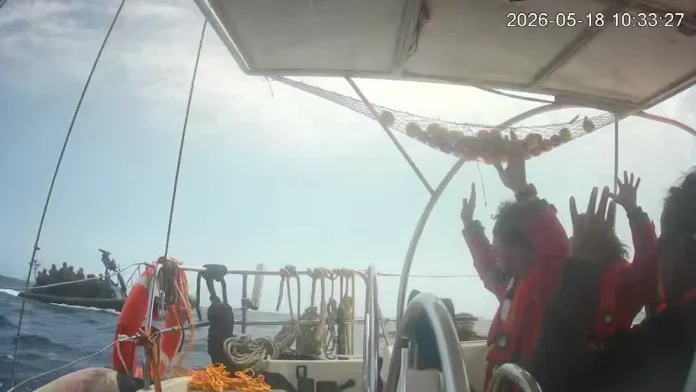
Members of the Global Sumund Flotilla were intercepted by Israeli forces in international waters

A video, a flotilla and a storm of outrage

When the clip first appeared on social media it was small—just a few seconds of grainy footage filmed on the deck of a navy vessel—and yet it landed with the force of a headline. An activist is forced to the deck, hands bound. Around her, dozens of people kneel in rows, their wrists zip-tied behind their backs, while soldiers patrol with rifles. A man carrying an Israeli flag walks past, smirking. The caption reads like a taunt.

Within hours, diplomats were summoned, foreign ministers spoke of “appalling” conduct, and the video became more than a viral moment: it was a flashpoint, a tinderbox. Western governments—across capitals from Dublin to Rome to Washington—expressed outrage. The footage, they said, violated basic standards of dignity and respect. For many who watched, it revived a long list of questions about power, protest and the limits of state force at sea.

What happened at sea

The flotilla had left southern Turkey earlier in the week. Its aim was straightforward in tone even if politically charged in context: deliver humanitarian aid to Gaza and symbolically pierce the naval blockade that has defined the coastal territory’s isolation for years.

Israeli naval forces intercepted the vessels in international waters. The activists were taken to southern Israel, processed and, according to the foreign ministry, deported the following day. Israeli rights groups reported that roughly 430 activists were released from detention. Two Italians flown home—journalist Alessandro Mantovani and politician Dario Carotenuto—alleged they had been beaten in custody.

On the record and off

“They would beat you up and tell you ‘Welcome to Israel,'” Mantovani told reporters after landing in Rome, describing a holding area he called “a place of terror.” Carotenuto said he had been punched and kicked while detained. Israeli authorities have not publicly commented on the specific allegations, though the foreign ministry confirmed the interception and deportations.

The Office of the UN High Commissioner for Human Rights said the arrests at sea appeared to raise legal concerns and urged that any maltreatment be investigated. “It is not a crime to show solidarity and bring humanitarian assistance to people in dire need,” a spokesperson said, calling for accountability.

Voices from the deck, the dock and the living room

The people involved tell different, often irreconcilable stories. On one side, flotilla organizers describe a humanitarian mission: food, medical supplies, volunteers from dozens of countries, and a political act of solidarity with Gaza’s civilians. On the other, Israeli officials argue the blockade is a security measure and that unauthorized sea approaches will be stopped.

“We came not to provoke but to deliver aid and witness,” said Lina Haddad, a Lebanese volunteer who had planned to join the voyage. “There were children in Gaza who were supposed to get medicine this week. We feel the world must see that help keeps being blocked.”

At Ashdod port, fishermen smoked cigarettes and watched the naval ships coming and going. “They have rules on the water,” said Yossi Ben-David, a fisherman in his 60s. “But sometimes rules look different depending on who you are. When it was our kids in the water, there wasn’t so much sympathy.” He shrugged, then added, quietly: “We live with tension. We go out, we fish, and we try not to think about politics. That’s a privilege, too.”

The international ripples

Governments across Europe summoned Israeli ambassadors. In Ireland, Portugal and Spain, officials publicly condemned the treatment shown in the video. Helen McEntee, Ireland’s foreign minister, called the footage “appalling” and “unacceptable.” European Council President Antonio Costa said he was “appalled” and demanded the immediate release of those detained. The United States—Israel’s closest ally—also criticized the conduct, with its ambassador to Israel saying the video had “betrayed the dignity of his nation.”

Turkey, where the voyage began, organized special flights to repatriate citizens and vowed to continue defending its nationals. Canada and Spain have joined a growing list of countries that have imposed sanctions on some Israeli far-right ministers, citing concerns about incitement and human rights.

Politics, ports and the theatre of power

It is impossible to separate this moment from Israeli domestic politics. The minister who posted the taunting video is a far-right figure with a base among ultra-nationalists—voters that Prime Minister Benjamin Netanyahu has courted as elections loom. A campaign-like video showing the minister striding through the port, flag in hand, felt to many like a theatrical performance designed for the camera more than a neutral official act.

“This is not just maritime enforcement,” said Dr. Rachel Silver, a political scientist who studies Israeli politics. “It’s a spectacle. It plays to the tribe and to the narrative of strength. But there is a cost: the international fallout and the erosion of norms about how democracies behave.”

Why this matters: law, history and humanitarian need

There are legal questions here about the interception of ships in international waters, the treatment of detainees and the obligations to allow humanitarian aid to reach civilians. International law around blockades, use of force at sea and the protection of civilians is complex, but past incidents provide a backdrop. The 2010 raid on the Mavi Marmara, in which nine activists were killed, remains a raw historical touchstone and a reminder of how volatile such encounters can be.

Meanwhile, the humanitarian picture in Gaza is stark. The enclave is home to more than 2 million people, many of whom have lived under blockade since 2007. Humanitarian groups estimate that over 80% of the population depends on aid for basic needs. A ceasefire brokered in October 2023 included promises of increased assistance, but charities and UN agencies say supplies are still insufficient.

Numbers that should make us pause

  • Gaza population: roughly 2–2.3 million people
  • Estimated percentage reliant on aid: over 80%
  • Activists detained and later released after this interception: about 430

So what happens next?

The immediate aftermath will be diplomatic letters, perhaps more sanctions, and an outpouring of statements. But there are deeper questions that linger: will there be independent investigations into conduct at sea? Will states balance security concerns with humanitarian obligations? And what does this say about the currency of spectacle in modern politics, where a short video can galvanize governments and shape public opinion?

For citizens watching from Prague, Rome, Ankara or Tel Aviv, the image of people kneeling in rows with their hands bound is unnerving because it feels familiar. It echoes other moments when the power of a state met the resolve of citizens and volunteers, and we were forced to ask whether dignity had been preserved.

What would you do if you were on that deck? If you were an official deciding whether to intercept a boat in international waters? If you were a parent watching these images late at night and wondering about the world your child will inherit?

These are not hypothetical questions. They are the levers by which policy, law and empathy turn. And for now, a short, sharp video has opened the lid on a debate that will not easily close.
Wasiirka Howlaha Guud ee Soomaaliya oo la kulmay Wasiirka Gaadiidka iyo Dhismaha Turkiga

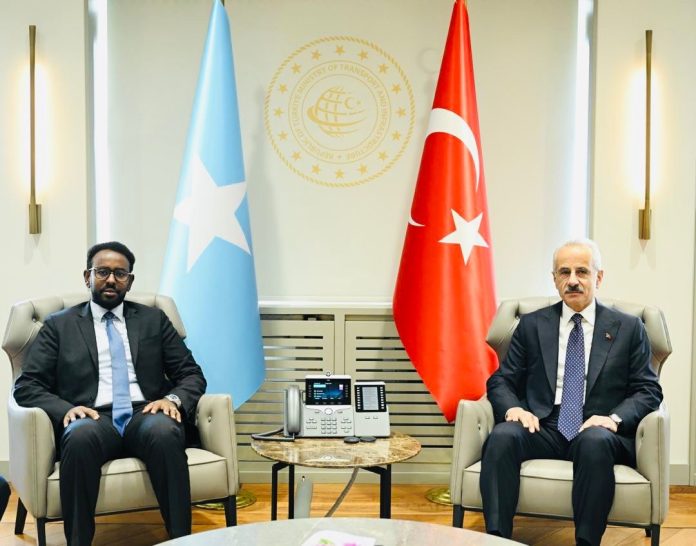
May 22(Jowhar)Wasiirka Wasaaradda Hawlaha Guud, Dib-u-dhiska iyo Guriyeynta Dowladda Federaalka Soomaaliya, Mudane Xildhibaan Ayub Ismail Yusuf , ayaa maanta kulan muhiim ah kula qaatay magaalada Ankara Wasiirka Gaadiidka iyo Dhismaha Dowladda Turkiga, Mudane Abdulkadir Uraloglu.

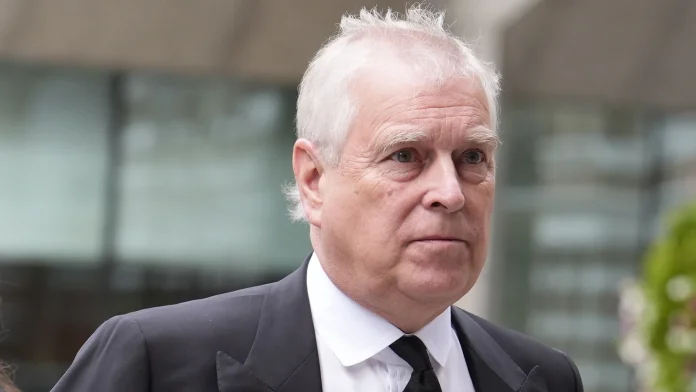
Inquiry into Andrew expands to cover sexual misconduct allegations

Andrew investigation to include sexual misconduct claims
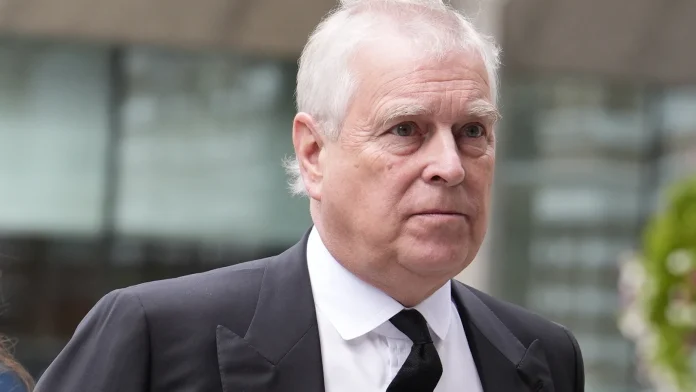
Andrew Mountbatten-Windsor has denied any wrongdoing in relation to Jeffrey Epstein (File image)

A Quiet Arrest, Loud Questions: Inside the Investigation of a Former Royal

On a gray February morning in Norfolk, a driveway that usually hummed with the gentle rhythms of rural life — gardeners pruning, a post van trundling past, kettles whistling in stone cottages — briefly became the centre of a national drama.

Not with sirens or spectacle, but with a softer, more unsettling cadence: detectives in plain clothes arriving at a familiar private home, a dignified figure escorted for hours of questioning, and the slow, inevitable ripple of documents and allegations that would travel from courthouse files in the United States to the hedgerows of an English county.

That figure, Andrew Mountbatten‑Windsor, the Duke whose royal past and international engagements once seemed part of a different era, was interviewed under caution by investigators this year following the release of US Department of Justice material tied to the late financier Jeffrey Epstein. The arrest — and the legal web it opened — has left the nation, and many beyond it, asking new questions about power, accountability and the long shadow of abuse.

What Are the Police Looking At?

The inquiry, led by a team of experienced detectives, is officially centred on allegations that could amount to misconduct in public office. That legal label is broad: it can cover misuse of privileged information, corruption, or — crucially in this case — serious sexual wrongdoing.

“We are treating this with the utmost seriousness and thoroughness,” said a senior investigator familiar with the case, speaking on condition of anonymity. “Complexity is not an obstacle; it is the nature of this work. We have to be meticulous. Victims, if and when they come forward, deserve that.”

Police sources say investigators are scrutinising reports that a woman was brought to an address in Windsor in 2010 for sexual purposes, after a lawyer for the alleged victim told media outlets she had been sent to Britain by Epstein. Detectives have interviewed the lawyer, but the alleged victim herself has not yet made a formal complaint.

Thames Valley Police, which has been in touch with prosecutors and with US authorities requesting original documents, have described the probe as “hugely thorough” and warned it will take time. Requests to the United States Department of Justice for the original files are said to be ongoing; the detectives are awaiting receipt of material that could be crucial to their enquiries.

Why ‘Misconduct in Public Office’ Is Tricky

Misconduct in public office is an offence rooted in common law and carries, at its most severe, a maximum sentence of life imprisonment. But one of the first legal questions investigators must answer is deceptively simple: was the person accused actually holding a public office when the alleged acts occurred?

That question matters because the legal definition is not neatly codified; case law has carved out the boundaries across decades. If a court determines the accused did not hold public office at the relevant time, prosecutors say they would still pursue any other offences the evidence supports — nothing would be shelved simply because of a technicality.

Voices from the Ground: Norfolk, Windsor and Beyond

In the market towns near the investigation’s Norfolk location, locals described a mixture of curiosity, unease and a fatigue that has settled over public life in recent years.

“It’s odd to see so much attention here,” said Maureen Ellis, the owner of a tearoom near Aylsham. “We’re used to tourists and school runs — not police vans and headlines spilling into our Sunday queues. But above all, you feel for people who say they’ve been harmed. That’s what stays with you.”

Across the Thames in Windsor, where weeks earlier visitors had been drawn by the usual rituals of royal pageantry, the conversation has also been intimate and immediate.

“There’s a sense of betrayal,” said Tariq Mahmood, a local teacher who has lived in the area for two decades. “You grow up with certain myths about public figures, and when allegations like this surface — whatever the outcome — it changes how we talk about trust in institutions.”

Survivors and Advocates

For survivor advocacy groups, the investigation has reignited familiar frustrations about delays, jurisdictional hurdles and the emotional cost of coming forward.

“Our message is the same: we will support survivors whenever they decide to engage with police,” said Hannah Blake, director of a national survivors’ charity. “Research shows many survivors take years to disclose. Globally, the World Health Organization estimates roughly one in three women experience physical or sexual violence in their lifetime, and reporting rates remain depressingly low. Police forces must be ready, patient and trauma‑informed.”

Advocates emphasise that an investigation of this nature requires layers of sensitivity: evidence gathering that spans continents, witness protection in some cases, and the careful handling of disclosure that can retraumatise victims if mismanaged.

Documents, Diplomacy and the Transatlantic Thread

The inquiry is part legal, part diplomatic. The release of documents associated with Epstein’s activities in the United States — files that have been combed over by journalists, lawyers and campaigners — has created a maze of leads for investigators worldwide.

“Transnational investigations are notoriously resource‑intensive,” said Professor Eleanor Hart, a criminal law specialist at a British university. “Requests for documents, mutual legal assistance treaties, evidence authentication — all of this adds weeks, months, sometimes years, to a case. But it is precisely the international collaboration that enables prosecutions in complex abuse networks.”

Detectives have formally asked the US authorities for the original versions of files released publicly; as of now, they have not received them. The absence of those primary documents complicates timelines, but police say the absence does not prevent them from following any credible line of inquiry based on material already in hand.

What This Means for Public Life

Beyond the particulars of this investigation lies a broader cultural debate about privilege, accountability, and how institutions respond when their own reach is implicated.

“This is about more than an individual,” observed Dr. Lila Singh, a sociologist who studies elites and accountability. “It is a test of whether the mechanisms of justice — police, prosecutors, courts — work independently of social status. Public confidence in institutions doesn’t just depend on outcomes; it depends on perceived fairness of process.”

How will this case be remembered? As a model of painstaking, patient policing — or as another instance where power slowed the arc of accountability? The answer could shape public trust for years to come.

A Final Thought

As the investigation continues, the countryside returns to its slow, ordinary rhythms: anglers on riverbanks, cyclists on lanes, the soft clatter of dishes in tearooms. Yet underneath that calm, people elsewhere are waiting for a different kind of peace: certainty, for victims and for a public that keeps asking who is answerable, and to whom.

Are we, as a society, prepared to let such complex cases play out slowly, in the hope that thoroughness prevails over haste? Or do we demand rapid closure, even if it risks leaving crucial questions unanswered? The coming months will answer that — and in doing so, they will tell us something about the shape of justice in our time.

  • Key legal point: Misconduct in public office is a common‑law offence in England and Wales and can carry a life sentence in extreme cases.
  • Investigative status: Thames Valley Police have formed a specialist team and are liaising with prosecutors and US authorities for documents related to the Epstein files.
  • Public context: International cases of sexual abuse and trafficking often involve prolonged cross‑border cooperation and slow evidential assembly.

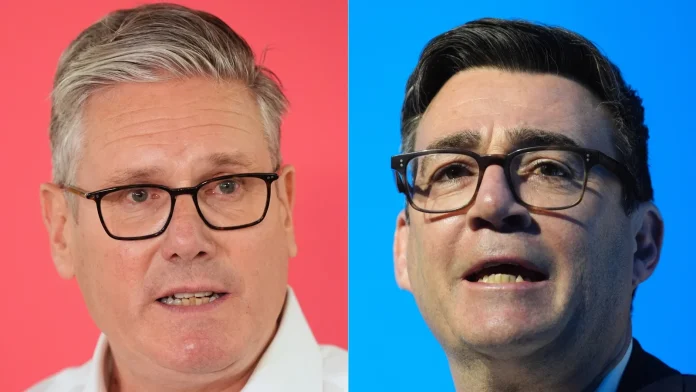
Keir Starmer to Join Andy Burnham’s Campaign for UK By-Election

Starmer to campaign for Burnham in UK bye-election
Keir Starmer confirmed his backing for Andy Burnham

When a Prime Minister Turns Up to a By-Election: Unity, Unease and the Taste of Northern Rain

There is a particular wind that runs through the streets of north-west England in early summer—sharp, full of the smell of wet asphalt and frying chips from the chippy on the high street. It moves through rows of brick terraces, past pubs with framed football scarves, and into the faded poster boards of campaigners setting up for a by-election. It was into that wind that Labour’s leader stepped this week, promising more than a speech: a visible pledge of solidarity.

At the centre of the swirl is a simple political act that has grown heavy with symbolism. Keir Starmer, the British prime minister and leader of the Labour Party, has said he will campaign for Andy Burnham, the popular Mayor of Greater Manchester, ahead of the Makerfield by-election on 18 June. On its face, it is a classic party moment—one senior figure rallying behind another—but in the current climate it reads like a deliberate attempt at damage control, outreach and reassurance all bundled into one.

Why this matters

Labour’s recent setbacks in local and devolved polls have left a residue of unease that can be felt in Westminster and in kitchen conversations across towns like Wigan, Leigh and St Helens. Rumours of internal contests and leadership restlessness have been doing the rounds, and Starmer’s decision to throw his weight behind Burnham is as much about optics as it is about the battle for a single seat.

“It’s the language of unity,” said Rachel Moreno, a campaign strategist who has worked in several northern campaigns. “When a leader turns up in person it sends a message: we are not splintered, we will prioritise what unites us. But of course, people read between the lines. They ask: is this because you believe in the candidate, or because you need to show strength?”

Burnham, a familiar face across Greater Manchester—known for his steady presence in town halls and community centres—welcomed the support. His team emphasised the obvious: the contest is a fight between Labour and Reform UK, and every local doorstep conversation will matter. “Anyone who wants to embrace Andy’s campaign message is welcome on the campaign,” a spokesperson said, a line that reads both gracious and strategic.

On the doorstep: mood and colour

I walked the campaign trail for an afternoon and listened. At a bakery near the market, a woman named Linda, who has lived in the area her whole life, wiped flour on her apron and spoke with the blunt warmth of someone used to telling it like it is.

“If Starmer comes, it shows he’s not hiding,” she said. “We want to know who’s backing us. But what we want more is action—good buses, decent wages, clean streets. Words are fine, but show me the bus timetable that actually works.”

Down the lane, a young teacher with a Mancunian lilt pointed to the bee emblem stitched into a charity shop jacket—Manchester’s enduring worker-bee symbol of community resilience. “The north isn’t about slogans,” she said. “It’s about people actually feeling looked after. If the Party wants to prove it, it needs to mean it.”

Leadership whispers and a simmering contest

Behind the scenes, the air is thicker. Some within Labour have been openly speculating about leadership alternatives. Two names have lingered in conversations: Andy Burnham—whose local roots and high public profile make him a natural rallying point for northern voters—and Wes Streeting, the former health secretary, who has voiced policy positions that diverge in tone from the leadership on certain economic questions.

Streeting’s view on tax reform landed like a pebble that made small but widening ripples. He has advocated equalising Capital Gains Tax with Income Tax—a policy aimed at addressing what he sees as a fairness gap between income earned from labour and money generated through asset ownership. “We need a wealth tax that actually works,” a supporter of Streeting told me. “It’s about sending a clear signal: hard work and investment should be taxed fairly.”

That argument taps into a broader global debate: the scramble by governments to balance growth with inequality, to tax wealth without scaring off investment, and to answer voters who feel that the system privileges the few. In the UK, as elsewhere, this conversation is especially loud in post-industrial towns where the memory of manufacturing work and union halls is still vivid.

What the polls and pundits say

Analysts caution against reading too much into a single by-election, but the framing matters. “By-elections are magnifying glasses,” said Dr. Aisha Banerjee, a political scientist who studies party systems. “They’re not predictive, but they are diagnostic. If the national party looks fractured while trying to defend a seat against a populist challenger, that tells you something about voter confidence and party messaging.”

Reform UK, the rising right-wing challenger in many northern seats, has gained traction by tapping into frustrations over immigration, austerity-era memories, and a sense of betrayal by traditional parties. For Labour, the risk is twofold: losing the seat itself and allowing a narrative of disunity to harden in the public imagination.

More than politics: questions about identity and trust

Pause a moment and consider what this skirmish represents beyond the tallying of votes. This is a story about identity—regional pride, class memory, and the changing meaning of “Labour” in the age of service economies and platform work. It is also about trust: who do people believe when they hear promises about fairness and stability?

“People are asking whether the political class gets them,” said Marcus Elliot, a community organiser in Makerfield. “They have lived through factory closures, hospital cuts, and pay freezes. A leader showing up helps, but it’s the next move—policy, investment, visible improvements—that will decide trust.”

That is why Starmer’s repeated emphasis on “the steps we’ve taken to stabilise the economy” matters. It is a claim aimed at the centre ground: reassuring investors and voters alike that the government can manage the ledger and the lives that depend on it. For those who remember the financial shocks of past decades, that reassurance is not trivial.

What should you watch next?

Keep an eye on turnout, on the tone of door-knock conversations, and on whether Labour manages to translate national stability into local credibility. Watch for how Starmer and Burnham speak together—are they offering a shared vision, or simply a tactical alliance? And watch Wes Streeting’s moves: will he build a substantive policy platform or stoke leadership speculation?

These are not just Westminster games. They are the architecture of how towns in the north see their future. They will shape public services, tax burdens, and the stories that parents tell their children about what it means to belong in modern Britain.

Final thought

Politics is theatre and it is policy, theatre and plumbing. A prime minister on the doorstep can warm a room, but it’s the material changes—the buses, the schools, the jobs—that keep a light burning in people’s windows. So ask yourself: when a leader steps into your town, do you see an act of solidarity or a spectacle? Which will you believe—the promise of unity, or the daily evidence of better lives?

Late Queen Eager for Ex-Prince Andrew to Serve as Envoy

UK's Prince Andrew stripped of titles, forced out of home
Prince Andrew will now be known as Andrew Mountbatten Windsor (file pic)

A Queen’s Whisper, a Duke’s Mission: How a Memo Reopened Questions About Power, Privilege and Transparency

On a gray February morning two decades ago, a carefully worded memo slipped across the desk of the then foreign secretary and into a story that has only grown more complicated with time.

The note—penned by the chief executive of British Trade International and dated 25 February 2000—laid out, in crisp bureaucratic prose, an idea the late Queen had reportedly favored: that Andrew, then the Duke of York, should become a visible figure in the promotion of Britain’s commercial interests abroad.

At first blush, it looks like a small, contained exercise in statecraft. The memo suggested two or three overseas visits a year, a handful of regional trips, and the occasional “leading trade mission.” It even envisaged the duke as a gracious host in London, greeting prominent visitors at dinners and receptions.

But read between the lines and the document is a case study in how Britain’s soft power can be navigated—by palace preference, by government calculation, and sometimes by opaque choices that leave the public asking who benefits and who decides.

When Royalty Meets Commerce

“There is a particular currency that comes with a royal name,” said a former trade official who worked across Whitehall for years and asked to speak on background. “It can open doors ministers can’t. But that currency is also fragile; its value depends on public trust.”

For many, the notion of using royal stature to back British business made intuitive sense. Ambassadors and trade envoys are meant to signal seriousness about commercial ties. A royal figure can lend ceremonial weight, sit at the head of a table, and draw attention in markets where history and spectacle still matter.

“When you walk into a room in some parts of the world and you carry the name of an institution like the Windsor family, people stand up differently,” observed a former diplomat. “That can translate into meetings, memorandums, and sometimes deals.”

The Memo: A Glimpse Behind Closed Doors

The newly released memo, now part of a trove of documents made public this week, is notable for its tone. It frames the appointment as something of a wish—not a directive—and it tries to knit practicalities with propriety.

David Wright, the chief executive at the time, advised that “we would not envisage the Duke of York being burdened with the regularity of meetings of the board” but promised he would be kept “in touch with board developments and issues.”

That balancing act—keeping a high-profile figure involved without overloading them with the tedium of governance—reads like a modern parable of celebrity diplomacy. It also spotlights the porous boundary between symbolism and substance in public life.

Beyond the Memo: The Unraveling

When the Duke of York went on to serve as a special representative for trade and investment between 2001 and 2011, he gained access to senior government and business contacts across the world. That access, some now say, created opportunities—and risks.

“Power without accountability is combustible,” said a civil-society campaigner who has long advocated for transparency in public appointments. “You can put powerful people to work for public good, but you must also make sure there are guardrails.”

The files’ disclosure comes against a fraught backdrop: accusations that the former duke shared sensitive information with Jeffrey Epstein while acting in his official capacity, a parliamentary pressure to disclose vetting papers, and media scrutiny that has kept the episode in the public eye.

Those allegations have been strongly denied by the former royal. Still, the publication of the documents and the parliamentary “humble address” that pressed for their release have reanimated public debate about the intersection of privilege, influence and oversight.

Voices from the Street

In York, a city that still wears its medieval past with pride, opinions are split. At a market stall selling Yorkshire curd tarts and handmade scarves, a woman named Sheila shrugged and said, “If the royals can help get jobs, that’s one thing. But if they’re getting cosy with the wrong people, we must know the truth.”

Across town, a student at the university argued: “It’s about more than one person. This is how institutions handle power. If you have special envoys, they must be beyond reproach.”

What the Papers Reveal—and What They Don’t

What the released documents do clearly show is the deliberate effort to thread a needle: giving a high-profile figure enough responsibility to be useful in trade promotion, but not so much that the day-to-day machinery of governance would fall to them.

What they don’t settle is the question that has become loudest in recent years: how much access to sensitive information is appropriate for someone whose private associations—however distant from official duties—might pose reputational risks?

“The memo is not the end of a story; it’s a prompt for a larger discussion,” said an ethics academic at a leading university. “We’re asking whether traditional forms of patronage still fit a modern, transparent democracy.”

Global Themes: Soft Power, Accountability, and the Cost of Secrecy

Beyond Britain, this episode resonates with wider trends. Across the globe, states deploy celebrities, athletes, and royals as soft-power emissaries. Sometimes it works brilliantly. Sometimes it falters spectacularly.

Trade missions can yield tangible benefits for exporters and investors—but only when they are conducted within frameworks that ensure accountability. Without that, the costs can be reputational and political, eroding public confidence in both government and monarchy.

“Citizens want both influence and integrity,” said a London-based economist who studies the politics of trade promotion. “They understand the value of symbolic actors. What they don’t accept is secrecy around those actors when scandals emerge.”

Questions for the Reader

So where does this leave us? How do democracies square the need for charismatic advocates for national interests with publics that demand transparency? When is the symbolic weight of a royal an asset—and when is it a liability?

Ask yourself: would you rather your trade promotion be led by a popular public servant whose every move is documented, or by a figure whose charm opens doors but whose private associations may complicate the public good?

The answers are not just about one man, or one memo, but about how modern states govern influence. The newly released papers are not a tidy verdict; they are a prompt. They invite us to scrutinize how power is assigned, how it is checked, and how we, as citizens, weigh symbolic capital against institutional integrity.

Closing Thought

In the corridors of power and in the cafes of York, the debate continues. The document that began as a modest bureaucratic recommendation has become a mirror reflecting deeper anxieties about privilege, access and the rules that should govern both. In an age that prizes transparency, perhaps the most valuable thing these papers give us is an opportunity—to ask harder questions, demand clearer answers, and imagine a system in which both influence and accountability can coexist.

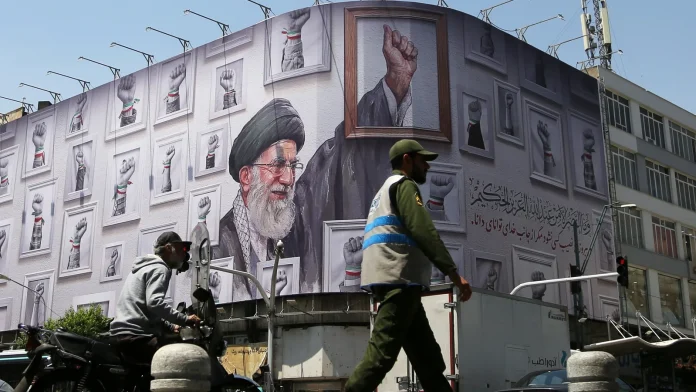
Iran Reassesses U.S. Reaction Amid Trump’s Search for the ‘Right’ Answer

Iran reviewing US response as Trump awaits 'right' answer
Iranian media quoted the Foreign Ministry spokesperson as saying 'we ‌have ⁠received US views and are reviewing them'

As tensions continue to escalate between the United States and Iran, the Iranian government is closely monitoring the reactions coming from the U.S. in response to recent events. President Trump’s administration has been sending mixed signals, leaving Iran uncertain about what to expect next.

Airbus and Air France convicted of manslaughter in 2009 crash

Airbus, Air France guilty of manslaughter over 2009 crash
(L-R) Jane Deasy, Eithne Walls and Aisling Butler were killed in the 2009 crash

Seventeen Years, One Verdict: A Quiet Courtroom, a Tremor Felt Across Oceans

The courtroom smelled of old wood and rain-slick Parisian stone as people shuffled in and took their seats beneath tall windows that have seen a century of French dramas. Outside, a small group of relatives clutched umbrellas and photographs. Inside, the judge’s voice cut through the hush: Airbus and Air France were found guilty of corporate manslaughter over the 2009 flight that plunged into the mid-Atlantic, killing all 228 people aboard.

For families who have lived inside this tragedy for nearly two decades, the ruling was not a sudden clap of lightning but a slow, long-coming light. “Justice has absolutely been done,” said Daniele Lamy, president of the AF447 victims’ association and a mother who lost her son in that black hole of ocean on 1 June 2009. Her words — firm, hoarse, spent — echoed against the high ceiling. Around her, other relatives stood in a fragile, dignified silence.

The ruling and its reach

The appeals court upheld corporate manslaughter charges and imposed the maximum fine under French law: €225,000 on each company. To the companies involved — global giants with annual revenues measured in the billions — the fines may appear token. To the families, the verdict was about something larger than euros: recognition, responsibility, and a public naming of systemic failures.

Air France and Airbus both said they would take the case to France’s Court of Cassation, the country’s highest court, promising yet more legal wrangling. “We intend to exercise all legal remedies available to us,” an Air France spokesman told reporters, speaking with the measured caution of an organization that has weathered crises before. Airbus, in a terse statement, reiterated its longstanding position that the technical causes of the crash were understood and that it would seek to contest the judgment.

What happened in the dark

On the night of 1 June 2009, Air France Flight 447 disappeared from radar during a violent equatorial storm. The Airbus A330, carrying 228 passengers and crew — including three Irish doctors returning home from vacation — plunged into the Atlantic. The black boxes were not recovered until 2011, after a two-year, painstaking search at depths that taxed remotely operated vehicles and human patience alike.

The French civil aviation safety authority (BEA) ultimately concluded that the immediate cause was pilot error: the aircraft stalled after the crew reacted to conflicting airspeed indications caused by iced-over pitot probes. But the BEA’s technical focus did not settle the families’ questions about the broader chain of decisions, safety cultures, and corporate choices that set the stage for that night.

From pilots to processes: why prosecutors looked higher

Prosecutors pursued a different narrative. They argued that lapses inside both Airbus and Air France — failures to follow up on known sensor problems, insufficient training, and weaknesses in procedural oversight — formed a chain of negligence that reached beyond two pilots in a cockpit. “Our case has always been about systems, not scapegoats,” one prosecutor said in court. “When warning signs are ignored, accidents can become tragedies.”

To secure a manslaughter conviction, prosecutors had to demonstrate not only negligence but causation — that the corporate failings materially contributed to the disaster. That was a heavier lift and explains why a lower court acquitted both companies in 2023. This appeals court, however, read the threads differently and concluded that a corporate responsibility did indeed exist.

Faces behind the statistics

Numbers can numb. Two hundred and twenty-eight souls is a figure that can sit flat on a page. But in the courtroom that number unfurled into stories: parents, honeymooners, young doctors from County Dublin, County Down, and County Tipperary — Jane Deasy, Eithne Walls, Aisling Butler — whose names were read aloud, one after the other, like beads on a rosary.

“They weren’t just passengers,” said Mirella Santos, who lost a cousin on the flight and traveled from Recife to attend the proceedings. “They were teachers, parents, people coming home from work or a trip. Each name is a family left in pieces.” Her voice caught like a thread in a draft.

Across Brazil, memorials remain. In Rio, fishermen still point to the stretch of ocean where the plane went down; in small Irish towns, candlelit vigils are an annual ritual. These cultural touchstones — quiet crosses on a coastal bluff, a photograph pinned to a café noticeboard, a yearly Requiem at a parish church — form the human geography of a tragedy that moved across borders.

Legal marathon, emotional sprint

The courtroom drama is part of a longer legal marathon that has watched evidence revisited, expert analyses wrestled between technical and moral frames, and grief replayed in depositions and documentary evidence. Families’ lawyer Alain Jakubowicz warned that further appeals — perhaps even a retrial — could drag the matter on for years. “This is not over,” he said. “Procedural routes remain open, and we must be prepared.”

Some relatives begged the companies to stop. “There is no human, moral or legal justification in continuing this procedure,” Ms Lamy implored, pleading for an end to what she called “procedural harassment.” But corporate appeals are standard; the fight for legal closure rarely matches the families’ need for emotional resolution.

A fine line between symbolism and safety

How do you weigh a €225,000 fine against the toll of 228 lives and the multinational corporations involved? Critics say fines of that scale are hardly deterrents. “It’s a token gesture in monetary terms,” said Dr. Emiliano Rossi, an aviation safety analyst. “But convictions carry reputational weight. For regulators and engineers, this case signals that legal accountability can extend into design, training, and corporate culture.”

The ruling may not reshape regulatory views overnight. The BEA’s technical findings remain influential, and the aviation industry has moved forward with incremental safety changes since 2009. Still, the court’s focus on systemic responsibility adds a new layer to how courts may approach disasters in the era of complex supply chains and automated systems.

What does this mean for the future?

As you read this, you might ask: When something goes wrong in a complex system, who answers for it? Is it the engineer who designed a sensor, the airline that sets training standards, the regulator who certifies a plane, or the pilot in the cockpit making a split-second decision? The AF447 saga resists easy answers.

It does, however, push a broader conversation into the open — about corporate accountability, about how societies value human lives relative to corporate balance sheets, and about the moral duties of companies whose technologies and procedures touch millions of lives. We are in an era where automated systems and human operators must coexist. When they fail together, the law is being asked to follow.

What to watch next

  • Whether Airbus and Air France will succeed at the Court of Cassation — and how long appeals will last.
  • How regulators and the aviation industry respond publicly to a legal finding that emphasizes systemic corporate failings.
  • Whether this case inspires policy changes in corporate liability law across Europe and beyond.

Seventeen years after that night, the ocean keeps its secrets. But in courtrooms, memorials, and quiet living rooms, families keep pressing for a truth larger than technical reports — a moral truth. The verdict is one step along a long road. For those who lost someone on Flight 447, it represents a fragile, hard-won recognition that their loved ones’ deaths were not simply a tragedy of fate but the outcome of choices made on land and in the boardrooms of industry.

What do you think? When accidents ripple through global systems, how should justice account for those ripples? This ruling won’t answer everything, but it demands we keep asking.

International outrage grows over treatment of Gaza flotilla activists

Outrage mounts over treatment of Gaza flotilla activists
Members of the Global Sumund Flotilla were intercepted by Israeli forces in international waters

At sea with a flotilla: a video, a taunt, and a global outcry

The wind off the eastern Mediterranean smelled of diesel and damp cardboard, the kind of salt air that presses against your teeth and leaves you feeling raw-eyed. On the deck of a small vessel leaving southern Turkey this week, volunteers stacked boxes of powdered milk, tins of legumes and blankets—tiny, tangible promises to people in Gaza who have known scarcity for far too long.

Then the navy arrived. The interception happened in international waters, as has happened before. Men and women who had sailed together, some for the first time and others hardened by prior flotillas, found themselves forced to the deck, hands bound, knees scuffed and dignity frayed. A handheld camera captured it all: a government minister walking past rows of detainees, a woman chanting “Free, free Palestine” shoved downward, the flag of a nation fluttering in the background like a performed triumph.

When that clip was posted online by the minister in question—Itamar Ben-Gvir, a far-right member of Israel’s government—the footage became the spark that set off a diplomatic firestorm. Within hours, capitals from Dublin to Rome summoned envoys, human rights groups demanded investigations, and ordinary people lined up at social feeds to denounce what they saw as humiliation on parade.

What the video showed—and why it matters

In the footage, detainees are seen kneeling in rows, their hands zip-tied behind their backs. Guards patrol from the gunwales of a military ship. A woman’s voice rises above the hum of engines: “Free, free Palestine.” She is immediately brought to the deck and forced down. The minister strolls by, an Israeli flag slung over his shoulder, and quips to the camera about their diminished “heroism.”

“This is not a staging for security; it’s a spectacle,” said Miriam Haddad, a human-rights lawyer who has documented arrests at sea. “The line between law enforcement and political theater blurs when an elected official films himself gloating.”

The United Nations’ human-rights office said the arrests appeared unlawful and called for a full, impartial inquiry—pointing to a pattern of concern. Amnesty groups and veteran flotilla organizers recalled 2010’s deadly raid on the Mavi Marmara, when clashes left nine Turkish activists dead and seeded years of diplomatic bitterness. For many international observers, the recent clip stirred echoes of that fraught chapter.

Voices from ashore and at sea

Alessandro Mantovani, an Italian journalist who was repatriated after the interception, told reporters when he landed in Rome that he had been beaten while in detention. “They kicked me in the legs, punched me in the face,” he said. “They’d hit you and then say, ‘Welcome to Israel.’ It was a place of terror.” Another Italian activist, a politician named Dario Carotenuto, said he had been punched and kicked while detained.

“We came with boxes of food and small medical kits,” said Leyla Öz, a Turkish nurse who helped load the boats in Iskenderun. “People think we are naive. We are not. We are trying to do the simplest human thing—deliver aid.”

From European halls of power came sharp rebukes. Foreign ministries in several capitals described the footage as appalling, unacceptable, or in violation of basic human dignity. An EU official said bluntly: “This is a line that should never be crossed.” In some countries, ambassadors were summoned and strong-worded notes were handed over. Poland’s foreign ministry even suggested travel curbs for the minister featured in the video.

The broader context: blockade, aid shortages, and the politics of spectacle

The flotilla’s stated aim was to break—or at least publicly challenge—Israel’s blockade of Gaza, in place since 2007. Humanitarian organizations say that despite agreements and intermittent ceasefires, Gaza remains precarious: electricity, clean water and medical supplies are in short supply for large swaths of the 2.4 million residents. A US-brokered ceasefire last October promised increased assistance, but logistics, security concerns and bureaucratic hurdles have meant deliveries are often delayed or limited.

“There’s a global trend where domestic politics is staged for global consumption,” said Dr. Rachel Levine, a political scientist who studies performative governance. “When leaders or ministers turn enforcement into content, they are speaking to a particular audience: their base. But they also risk inflaming international norms and diplomatic ties.”

Indeed, Israel’s prime minister issued a rebuke, saying the minister’s conduct “is not in line with Israel’s values and norms.” Yet the minister in question draws support from a constituency that prizes uncompromising security and nationalist rhetoric. With snap elections on the horizon—a political clock ticking closer to the country’s polls—some analysts see the video as both provocation and political theater.

Numbers, names and the human tally

Organizers estimated roughly 430 activists had been detained and later released from a prison facility in southern Israel. Two Italians allege they were physically assaulted. Turkey moved quickly to arrange flights to repatriate its citizens and third-country participants, with officials saying they would “continue to uphold the rights of our citizens and fulfill our humanitarian responsibility.”

Past flotillas have had mixed results: previous missions were intercepted, participants deported, and once, as in 2010, deaths and deep diplomatic ruptures ensued. The legal questions—who has the right to interdict ships in international waters, what constitutes lawful detention, and where humanitarian impulses meet state security—are thorny and unresolved.

Local color: chants, coffee, and the bitter taste of bureaucracy

On board these vessels you will find cooks who have never cooked in Gaza, musicians who learned new protest songs on the voyage, and retired schoolteachers who carry thermoses of Turkish coffee. They share songs and stories; they swap recipes for lentil soup and talk about children’s birthdays postponed for lack of fuel. These small human rituals are a kind of resistance—insistent proof that even amid politics, ordinary lives beat on.

“I made a playlist of lullabies kids in Gaza might like,” said Hannah, a volunteer from Berlin who requested her last name be withheld. “This is not just about headline-grabbing. It’s about saying, ‘We see you.’”

So what now? Questions to sit with

Will there be an independent investigation into the alleged mistreatment? Will states willing to impose sanctions follow through, or will political expediency blunt diplomatic pressure? And perhaps more fundamentally: in an era where a single posted clip can redraw international fault lines overnight, how do we balance security concerns with the dignity of civilians and activists?

These are not hypothetical queries. They are urgent ethical choices for policymakers and citizens alike. When a minister films himself parading detainees, it is an image that travels faster than any press release. It demands a response—not just a diplomatic note or a viral hashtag, but a reckoning about the limits of power and the responsibilities of states toward human beings, even—and especially—those who oppose them.

So I’ll ask you directly: what should be the line between enforcing law and performing force for political gain? And when you see a video like this, what do you feel compelled to do—share, protest, demand accountability, or turn away because it’s too much? The answer matters. It shapes who is believed, who is protected, and who is allowed to remain human in the face of state power.

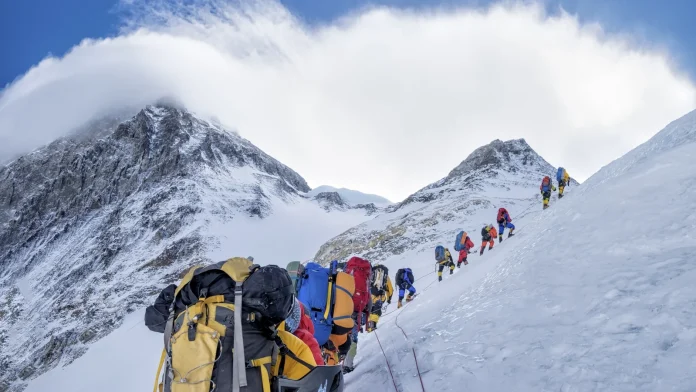
A record number of climbers summit Everest from Nepal

Record number of climbers scale Everest from Nepali side
The record number of climbers breaks the previous record of 223 (file image)

A Day When Everest Felt Smaller: 274 Climbers, One Mountain, Many Stories

The morning air at Everest Base Camp tasted of yak butter tea and diesel, of nerves and nylon. Prayer flags snapped in the wind, their faded colours a map of countless pilgrimages and ambitions. Above them, the white slab of the world’s tallest peak loomed — 8,849 metres of ice, rock and history — and on one extraordinary day this spring, 274 people planted their boots on its shoulder.

It was a figure that read like a headline and felt like a crowd: 274 summits from the Nepalese side in a single day, more than ever recorded before from that approach. The Nepali climbing community, expedition leaders and coffee-shop pundits are still unpacking what it means when so many people try to take the same thin ribbon of slope and sky at once.

The Numbers Behind the Rush

This season Nepal issued 494 permits to attempt Everest, each permit carrying a price tag roughly around €13,000. That math — half a billion euros? Not quite. Forty-nine-four permits at €13,000 brings in about €6.4 million for the Nepali treasury, a significant slice of local income via tourism and services that sustain villages across the Khumbu.

“We have seen busy seasons before, but this is the highest number in a single day on the Nepal side,” said Rishi Bhandari, secretary general of the Expedition Operators Association of Nepal. “It is possible the total could still rise. Some teams only tell us when they return with photos or certificates.”

The previous high-water mark was 223 climbers in one day back in May 2019. This year’s total was also swollen by the absence of teams from the Tibetan (Chinese) side — Beijing did not issue permits — which historically contributes about a hundred summits in a regular season. That absence funnelled almost all attempts through the South Col route from Nepal.

On the Ridge: Tight Lines and Thin Air

At 8,000 metres and above is the so-called “death zone,” where bodily systems begin to fail and the air simply does not have what a human needs to function. That’s where logistics become life and a single bottle of supplemental oxygen can be the difference between joy and tragedy.

“The bottlenecks are real,” said Sangay Lama, a veteran Sherpa team leader who has guided dozens of expeditions. “When thirty or forty people try to pass through the same fixed rope in a few hours, stress rises. You hear people breathing harder, ropes creak, and you pray nothing goes wrong.”

For one small Irish team — Pádraig O’Hora, a former Mayo footballer, alongside Éanna McGowan of Dublin and Adam Sweeney from Waterford — the summit came after a 47-day campaign of acclimatisation, patience and cold nights in teahouses and tents. “When you stand on the top, it’s quiet in a way that stills you,” O’Hora told me over a grainy satellite call. “But getting there, you are sharing the final steps with dozens of strangers. It feels almost communal — strangers helping each other breathe.”

What a Summit Day Looks Like

Imagine dozens of headlamps moving like slow constellations across a dark face. Each team is tethered to ropes, to oxygen cylinders, to Sherpas who set the lines and check anchors. The climb is equal parts mountaineering and choreography. One misstep, one tangled line, and the flow breaks.

  • Summit elevation: about 8,849 metres.
  • Permits issued by Nepal this year: 494.
  • Cost per permit: roughly €13,000.
  • Recorded summits from Nepali side on the busiest day: 274.

Economics, Ethics and the Human Cost

Nepal’s economy benefits heavily from high-altitude tourism: permits, guides, porters, accommodation, helicopter rescues and oxygen bottles. Mountain seasons are lifelines for many families in the Khumbu Valley. Yet with profit comes scrutiny. Critics argue that the commercialization of Everest encourages inexperienced climbers to pay their way up, relying on guides and support rather than skills. The result can be long queues in dangerous terrain and increased risk for everyone on the slope.

“We have introduced tighter controls and revised fees because we cannot compromise safety,” said Himal Gautam from Nepal’s Department of Tourism. “We still need to verify claims. Climbers return with photos and evidence, and only then do we issue certificates and final numbers.”

For local communities, the mountain is not just a cash machine; it is sacred ground — Sagarmatha to Nepalis, Chomolungma to Tibetans. Tea-house owners in Lukla will tell you the mountain shows no favourites. “We have cycles of boom and worry,” said Mira Tamang, who runs a small lodge on the trail. “Last year was quiet. This year people came in a rush. The money helps to fix a roof, pay a school fee. But we worry when crowds grow too much on the glacier.”

Voices from the Trail

Not all stories are about revenue and queues. There are quiet, human portraits threaded through the statistics. Adam Sweeney sent a message from back in Kathmandu: “We carried our own fears up there. Seeing the sun come up just a few metres beyond the Hillary Step — it’s something none of us can fully explain. You feel very small, and very alive.”

A Sherpa who preferred to be called Lhakpa spoke of fatigue and resolve. “We climb with clients, we fix ropes, we do rescues sometimes,” she said. “People think we are used to the mountain. We are, but it still asks for respect. Congestion makes our job harder and more dangerous.”

What This Means Beyond the Summit

Everest’s packed slopes are a mirror for larger debates: how do we balance livelihoods with safety; tradition with modern tourism; reverence with commerce? Around the world, iconic places — from coral reefs to urban parks — face the same pressure when access becomes a commodity.

Climate change complicates everything. Retreating glaciers alter routes and expose new hazards. Warmer winters can make bergschrunds unstable. The mountain that drew generations of explorers now requires policy, patience and perhaps a reimagining of who should go and under what conditions.

So what do you think? Should mountains be managed like national parks with strict quotas? Or does the chance to stand above the clouds belong to any person with the means and will to try? There are no easy answers, only trade-offs that ripple across economies, ecosystems and hearts.

After the Celebration

Photos will circulate — grinning faces, triumphant flags, muddy boots — and certificates will be issued. Teams will count profits and plan routes for next season. For the Sherpas and the villagers down the valley, the work continues: packing gear, mending ropes, serving another cup of tea.

For a day, at least, Everest carried more people than ever before on its Nepali flank. The record is more than a number. It is a story about risk and reward, about community and crowding, about the fragile thread that keeps mountaineering magical and dangerous at once. Standing at Base Camp, listening to old climbers swap tales and new climbers stir with excitement, you sense the question that will keep coming back: how do we honour the mountain while letting people reach for its summit?

Elon Musk Targets Wall Street Debut Record with SpaceX IPO

Elon Musk eyes Wall Street record with SpaceX IPO
If successful, the listing of the rocket and satellite giant would dwarf any IPO in history

When a Rocket Company Files to Go Public, the Whole Sky Feels Smaller

Something seismic landed on Wall Street this week, and it wasn’t a meteorite — it was paperwork. SpaceX, the rocket-and-satellite company that has rewritten the rulebook for private spaceflight, quietly filed an S-1 prospectus aiming to raise up to $75 billion in what could become the largest initial public offering in history.

Read that again. Seventy-five billion dollars. A single float that, if it hits its targets, could eclipse every blockbuster listing we’ve ever seen. The filing lifts a rare veil on 24 years of near-mythic secrecy, giving investors and curious citizens their first clear look at the company’s finances, ambitions, and risks.

Numbers You Can’t Pretend Not to See

The headline figures are striking and contradictory — the kind that make analysts sharpen their pencils and neighbors on launch day glance skyward. SpaceX reported roughly $18.7 billion in revenue for 2025, yet an operating loss of $2.6 billion as it plowed capital into next-generation rockets and sprawling AI infrastructure.

Starlink, SpaceX’s global broadband constellation, emerged as the firm’s engine: $11.4 billion in revenue last year, nearly a 50 percent jump from the previous year. It’s the cash cow keeping engineers awake at night and investors salivating.

But the AI side tells another story. The combined businesses that include xAI and the social-platform arm generated $3.2 billion in 2025, while posting an operating loss of $6.4 billion. Capital expenditures in that segment alone hit $12.7 billion in 2025 and a dizzying $7.7 billion in the first quarter of 2026 — money poured into racks, cooling systems, and the holy grail of training data centers.

“We’re building capacity that rivals entire national compute footprints,” said a senior infrastructure engineer who asked not to be named. “You don’t just buy this stuff off the shelf. You build it like a city.”

Money Talks — and Contracts Whisper

The filing also revealed a startling commercial arrangement: SpaceX has agreed to lease spare capacity in two of its COLOSSUS data centers to Anthropic, another AI company, at a rate said to be $1.25 billion per month through May 2029. Corporate America writing checks like the sums are round numbers. Investors will be watching whether these partnerships are short-term lifelines or the new normal.

Control, Governance, and the Man in the Middle

One thing the paperwork makes plain is that this won’t be a typical public company. The IPO unfolds under a dual-class share structure that concentrates voting control. Elon Musk — already the world’s richest person and the public face of the enterprise — would retain roughly 85 percent of voting power while owning around 42 percent of the equity. In human terms: he keeps the keys to the car even if others own some of the seats.

“That sort of control is a double-edged sword,” said Helena Park, a corporate governance scholar at a university business school. “It allows a visionary to steer long-term bets without short-term market pressure. It also raises questions about checks, balances, and accountability.”

SpaceX itself acknowledged the risk in the filing, noting that Musk “will have the power to control the outcome of matters requiring shareholder approval, including election of all our directors.” That frankness will hardly pacify those who fret about executive power in the age of hyper-scale tech.

From Earth to Orbit: A New Kind of Infrastructure

Beyond the listing is a bigger, bolder thesis: compute in orbit. SpaceX’s prospectus sketches a future where solar collectors and AI servers float above clouds and geopolitics, offering what the company calls the only truly scalable energy solution for skyrocketing AI power demands.

The plan is audacious. The company says it could begin launching AI-compute satellites as early as 2028, with a long-term target of delivering 100 gigawatts of compute capacity into orbit each year. To get there would require thousands of launches annually and roughly one million metric tons of payload lofted into space — numbers that make “ambitious” sound quaint.

“We’re talking about building a whole new class of infrastructure,” said an industry analyst. “If anyone can imagine doing it, they have to be able to launch at scale. That’s SpaceX’s core competency.”

Regulators Are Watching

Not everyone is ready to sign off. The Federal Aviation Administration has made clear that reliability needs to be demonstrably higher before it would greenlight such a ramp-up. FAA officials noted that in 2025 SpaceX completed about 170 launches and deployed roughly 2,500 satellites — huge numbers by any measure, but still a step away from the tens of thousands of flights per year being discussed internally.

“We need to see a lot more reliability,” said one FAA source who spoke after a recent forum. “Scaling to the numbers they’re talking about increases complexity and risk exponentially.”

On the Ground: People, Places, and Launch-Day Rituals

This isn’t an abstract corporate exercise. In Hawthorne, California, when a Falcon 9 lights up the sky, traffic slows, shopkeepers step outside, and conversation turns to trajectory and telemetry.

“You can smell the rocket fuel sometimes, like summer bonfires,” said Lina Ortega, who runs a tiny café near SpaceX headquarters. “People come by with phones, with kids, with binoculars. It’s part of our life now.”

Further south at Boca Chica, Texas — where techno-tourism and small-town life brush up against launch pads — Maria Hernandez, who runs a taco stand, says launches have been a roller-coaster of income and disruption. “We get busier on launch days, sure,” she laughed. “But there’s also road closures and worries. People here love the spectacle, but they also want safety.”

Why This Matters Beyond the Ticker Symbol

What should the global reader take from this? First, the SpaceX filing isn’t just a financing event; it’s a manifesto for the next decade of industry — one that stitches together broadband, space logistics, and AI compute into an interdependent ecosystem.

Second, it raises urgent policy questions. Who regulates data centers in orbit? How do nations weigh national security, commercial opportunity, and the commons of low Earth orbit? Can private firms be trusted to balance profit with planetary stewardship?

Third, the IPO spotlights the broader economic frontier: the insatiable appetite for compute power, driven by AI, is reshaping capital flows and geopolitical strategy alike. SpaceX’s own market estimate — a total addressable market of $28.5 trillion across its businesses (excluding China and Russia) — underlines the scale of ambition.

Parting Thoughts: A Sky of Promise and Uncertainty

There will be drama, courtroom headlines, and more filings to come. The S-1 arrives on the heels of a legal loss for Musk in a dispute with OpenAI and as competitors like Anthropic eye public markets of their own. Market watchers are already speculating about a Nasdaq listing under the ticker SPCX and whispering about potential mergers and alliances that could reshape entire industries.

But beyond the spreadsheets and ticker symbols, the filing asks a deeper question: how do we, as a global society, want our shared skies to be used? Do we set guardrails before the highway is paved, or do we let innovators build and figure out the rules later?

Whatever happens next, launches will continue to illuminate the horizon — literal and figurative — and the conversation about who gets to own and govern our future off-planet is only getting started. Are you ready to watch it unfold?

World's largest whale graveyard discovered by Chinese sub

Chinese sub uncovers the world’s biggest whale graveyard on ocean floor

0
A vast “necropolis” of whales—packed with both fresh remains and fossils millions of years old—has been found on the floor of the Indian Ocean,...
US strikes Iran as Tehran warns of response to attacks

US Launches Strikes on Iran as Tehran Threatens Retaliation for Attacks

0
Fresh explosions rattled southern Iran overnight as the United States launched a new round of strikes, a move that came just hours after President...
460 European figures call on EU to be tougher on Israel

460 European leaders urge EU to take a tougher stance on Israel

0
With war raging in Gaza and tensions rising across the West Bank, a large coalition of veteran European political leaders is urging the European...
Four killed, 20 injured in Russian strikes on Kharkiv

Russian strikes hit Kharkiv, killing four and injuring 20 people

0
A fresh wave of missiles and drones slammed into Ukraine overnight, killing four people in the Kharkiv region and injuring more than 20 others,...
Gates Foundation opens external review of Epstein ties

Bill Gates grilled by Congress over alleged ties to Jeffrey Epstein

0
Bill Gates is heading to Capitol Hill for scrutiny that has shadowed some of the world’s most prominent figures: his past ties to Jeffrey...