Home Blog Page 34

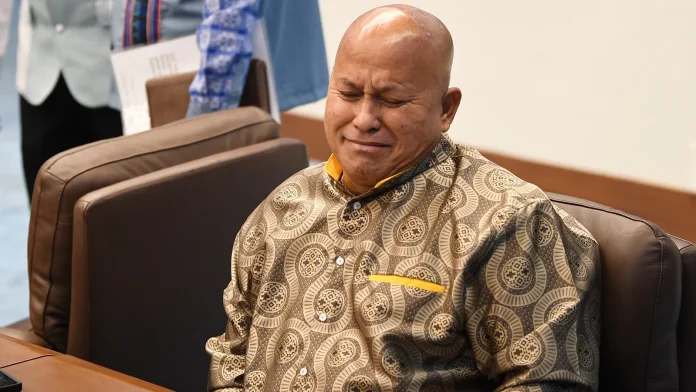
Shots ring out at Philippine Senate as politician dodges ICC scrutiny

Gunshots at Philippines senate as politician evades ICC

A Senate on Edge: Gunfire, a Fugitive Senator, and the Philippines’ Quiet Crisis

They say the city never sleeps, but on a humid midday in Pasay, the Philippine Senate felt like a trapped heartbeat — quick, jagged, uncertain.

At least five shots cracked through marble corridors and glass-paneled offices, sending senators, staff and journalists into the small sanctuaries of their rooms and closets. For a while the giant building that houses the Senate felt less like a temple of law than a bunker: lights dimmed, voices whispered, and papers rustled like the sound of a country holding its breath.

“We heard them — pops, really, like someone letting off a starter pistol,” said a legislative aide who asked not to be named. “Then the panic. People were under desks. We didn’t know if it would get worse.”

Why the Shots?

The scene unfolded around one central fact: Senator Ronald “Bato” Dela Rosa — the former national police chief who rose to fame and infamy during the Duterte-era anti-drug campaign — was sheltering inside the Senate complex as authorities sought to detain him ahead of transfer proceedings tied to an International Criminal Court inquiry.

Interior Secretary Juanito Victor Remulla arrived on the scene and told reporters there were no casualties and that the hunt for whoever fired the shots was ongoing. “I am here to ensure the integrity of the Senate and the protection of all the senators,” he said, adding that Mr. Dela Rosa was “safe” and “accompanied by security personnel.”

“We have assured him there is no warrant of arrest to be served,” Mr. Remulla said — a statement that only amplified tensions between branches of government and left many Filipinos asking: who speaks for the rule of law when institutions themselves seem divided?

Voices from Inside

Senate President Alan Peter Cayetano, who drew a line around his chamber to prevent agents from entering, posted online that he didn’t know who had fired the shots. “Everyone’s locked in their rooms now. We cannot go out, we cannot secure our other staff. Why are we under attack here?” he wrote, echoing the bewilderment many felt.

Melvin Matibag, director of the National Bureau of Investigation — whose agents had attempted to serve detention papers earlier — denied that his officers fired any shots, saying his unit had been on “stand down” at the time. “There were no NBI agents inside the Senate when the shooting occurred,” he told local media.

A television reporter, visibly shaken, fought back tears while broadcasting from inside the building; Senator Robin Padilla urged the pack of journalists to evacuate for their own safety. The images were surreal: a democratic chamber converted into a place where people hid, whispered and prayed.

Context: The Long Shadow of the Drug War

To understand why a Senate building could be the refuge for a politician accused in an international inquiry, you need to look at what the Philippines has lived through for the last decade.

Mr. Dela Rosa, nicknamed “Bato” (rock), served as national police chief from 2016 to 2018, during the early and most violent phase of former President Rodrigo Duterte’s war on drugs. Human rights groups say thousands died in police operations and vigilante-style killings; the damage is not merely numerical but social. Families still mourn; communities still carry the memory of sudden knock-at-the-door funerals.

The International Criminal Court has been watching. The prosecutor opened a preliminary examination in 2018 into possible crimes against humanity in the context of the anti-drug campaign, and human rights organizations have urged international attention for years. Whether and how national courts engage with those allegations has become not only a legal question but a political one.

What this Moment Means

When a senator sought sanctuary inside the Senate to avoid transfer abroad, it crystallized tensions around sovereignty, accountability, and the limits of power. Who can be arrested, by whom, and where — these are not hypothetical questions in the Philippines right now. They are being answered, fractiously and publicly.

“This isn’t about one man,” said Ana Rivera, a human rights lawyer in Manila. “It is about whether institutions — courts, legislatures, the executive — can cooperate to pursue justice without turning the pursuit into a spectacle that shields the powerful.”

Beyond the Building: A Nation Watching

Across Metro Manila, people watched broadcasts on small TVs in sari-sari stores and over coffee in street-side carinderias. In one barangay, an elderly vendor said she couldn’t sleep, remembering the late nights when sirens used to run through the neighborhood.

“We want peace, yes, but not this kind of silence where people are afraid to speak,” she said, fingers wrapped around a cup of black coffee. “We need courts, but they must not be used as a way to hide.”

Polls over the past several years show that public trust in institutions in the Philippines has been fragile; for many, the spectacle in the Senate will deepen questions about checks and balances. Does political solidarity matter more than the rule of law? When national pride meets international law, who wins?

Quick Facts

  • Location: The Senate of the Philippines meets in the GSIS Building in Pasay City, Metro Manila.
  • Senator involved: Ronald “Bato” Dela Rosa — former national police chief (2016–2018).
  • Allegations: Linked to the Duterte-era anti-drug campaign; subject of ICC attention regarding alleged crimes against humanity.
  • Immediate outcome: No fatalities reported after the shooting; investigation ongoing.

What Comes Next?

The Supreme Court ordered the government to respond within three days to Mr. Dela Rosa’s petition seeking to bar arrest and extradition — a judicial move that adds a new layer to the already complicated legal chess match.

International observers will be watching closely. How the Marcos administration handles this incident — which pits legislative protection against judicial process and international scrutiny — may signal how the Philippines navigates overlapping authorities in the future.

“This episode is a test,” said Mark Santos, a constitutional expert at a Manila university. “It tests whether political loyalties can override due process, and whether institutions will act as guardians of the state or as private clubs protecting their own. The answer will define the shape of Philippine democracy for years.”

Questions to Sit With

As you read this from anywhere in the world, consider: What does it mean when a lawmaker becomes a fortress? How should a society balance national pride and international accountability? And perhaps most urgently: how do everyday people — families who lost sons, daughters, neighbors — see justice being served?

The Senate’s marble floors will be scrubbed and the bullet casings collected. But the stains are deeper than the visible ones. Trust, once splintered, takes time to mend.

For now, the country waits. The Senate remains a room of many voices — some loud, some trembling — and outside, the city keeps walking, trading, gossiping and grieving, as nations do when history knocks a little too loudly at the doors of power.
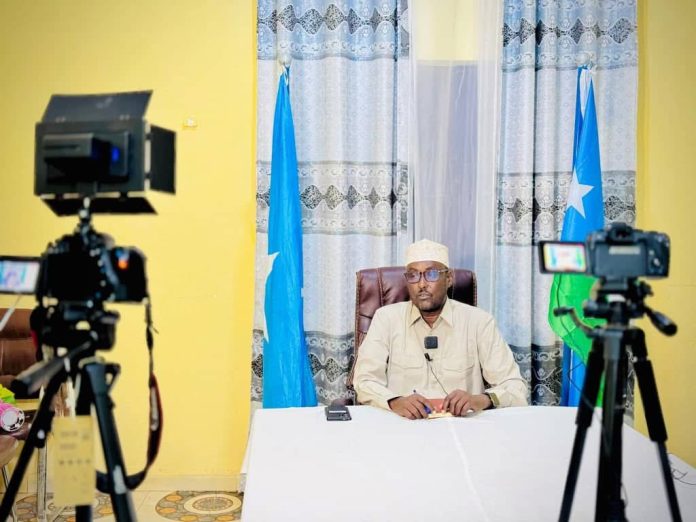
Gudoomiyaha Gedo oo kasoo horjeestay qorahaha DFS ee gobolkaasu doorashi uga qabaneyso

May 14(Jowhar) Jubbaland ayaa Xukuumadda Faderaalka markale ka xoogtay caasimadda gobalka Gedo ee Garbahaaray, Cabdulaahi Shimbir oo ahaa gudoomiyihii gobalkaas oo horay uga gadooday Jubbaland ayaa hadda dib ugu laabtay.

United Arab Emirates denies Israeli claim Netanyahu visited UAE

UAE denies Israeli claim that Netanyahu visited country
Benjamin Netanyahu's office had claimed that he met the Emirati president in the UAE during Israel's war on Iran, a claim the UAE has denied (file photo)

Night-time Diplomacy, Daylight Denials: A Gulf Mystery Unspools

On a warm Abu Dhabi evening, the city’s glass towers shimmered like a row of sentinels above the Persian Gulf. Inside a teahouse near the corniche, shopkeepers and office workers paused their conversations to scroll through the same headline: did Israel’s prime minister secretly visit the United Arab Emirates during a fraught period of conflict with Iran?

The story read like a spy novel — a clandestine trip, a meeting behind closed doors with the Emirati president, and, if true, a diplomatic leap that would rewrite recent assumptions about alliances and survival in the region. Then, almost as quickly, the air was cleared: the UAE’s foreign ministry called the reports “baseless,” insisting no such visit or unannounced military delegation had been received.

“We have received no dignitary or military unit from Israel,” an Emirati diplomat told me over the phone, his voice low with frustration. “Any claim otherwise is not grounded in fact and was never coordinated with us.”

From Jerusalem, an aide to the Israeli prime minister’s office struck a different tone: “This was a narrow, strategic engagement that marked a breakthrough in cooperation,” the aide said, speaking on background. “In times of war nations sometimes move fast and quietly to protect their people.”

Why this matters

The tug-of-war over the visit is more than a matter of protocol. It sits on top of a much bigger, raw wound: the war that began on 28 February when US and Israeli strikes hit Iranian territory, sparking a cascade of tit-for-tat incidents that sent the region into jittery overdrive.

The UAE finds itself in the crosshairs, having reported repeated missile and drone strikes in the weeks since. The lore of secrecy — whether true or not — hints at a recalibration: partners helping partners, perhaps quietly. Or it could be a fissure that reveals competing narratives, each government shaping the story for domestic audiences and international allies.

The Strait of Hormuz: Tollbooth of Power

If the alleged visit was a one-line beat in the ledger of geopolitics, Iran’s posture over the Strait of Hormuz is a chapter. The waterway is not just a channel of water; it is a chokehold on the world’s energy arteries. In peacetime roughly one-fifth of seaborne oil and liquefied natural gas passes through its narrow passage. In war, it becomes a weapon.

Iranian commanders have openly suggested that their control of the strait could be monetized — “significant” revenue, even the potential to double oil income, according to state media summaries of a military spokesman’s remarks.

“When you control the gate to global energy, you have more than a military advantage,” said Sara Lin, an energy strategist in Singapore. “You have leverage over shipping routes, insurance premiums, commodity prices and the economies that depend on them.”

Indeed, Brent crude climbed above $100 a barrel as markets jittered over the continued uncertainty, and analysts warned that even sporadic closures or delays could ripple into food and fertilizer shortages because petrochemical feedstocks travel these same lanes.

From tolls to tankers

Reports that Tehran began collecting “tolls” on vessels — small sums at first, according to Iranian parliamentary officials — have alarmed import-dependent nations. Iran’s definition of where the strait begins and ends now stretches from Jask in the east to Siri Island in the west, a broader zone that gives Tehran room to claim oversight.

“We’ve seen state-backed entities in Tehran adopting new revenue streams during crises before,” said Dr. Karim Mansouri, a Tehran-based maritime security analyst. “The idea that Iran would turn maritime control into income isn’t surprising. The more worrying part is how other states respond.”

Response is complicated. The United States has enforced a naval blockade on Iranian ports and repositioned the aircraft carrier Abraham Lincoln in the Arabian Sea. US officials report redirecting dozens of commercial vessels and, at times, disabling ships. Washington has also warned that no single country should be able to impose tolls on traffic through Hormuz — an idea apparently acknowledged in recent US-China discussions ahead of a summit between President Donald Trump and Xi Jinping.

On the ground: people and pricing

The geopolitical chess plays out with human faces and real bills. At a diner near the Mina Zayed fish market, 58-year-old Fatima al-Harbi folded her hands around a cup of strong coffee and spoke about prices.

“We used to buy fish for three dirhams, now it’s more than double,” she said. “Everything goes up. Fuel, bread, working costs. People talk about politics, but we count bills.”

In the port town of Jask — now in the language of some Iranian officials part of a “controlled zone” — a boat captain named Reza shrugged when asked about tolls. “The sea has always been how we live. If they put new rules, we follow them. But it is the ships that pay; the fishermen pay with fewer buyers,” he said.

Global supply chains under stress

Ship trackers have shown increased activity by large tankers flagged by China and elsewhere attempting to weave through the disputed waters. Some nations are exploring alternative logistics: rerouting via the Red Sea and Suez Canal, expanding pipeline capacity, or locking into bilateral shipping arrangements that resemble Tehran’s deals with regional partners.

  • About 20% of global seaborne oil flows through the Strait of Hormuz in peacetime.
  • Brent crude breached triple figures amid the tensions, affecting fuel and fertilizer prices worldwide.
  • The US has reported redirecting and disabling dozens of vessels as part of its enforcement measures in the Arabian Sea.

Bigger picture: alliances, elections, and economics

These are not isolated incidents; they are symptoms of a shifting international order. The Abraham Accords of 2020 brought normalization between Israel and several Gulf states, but those diplomatic bridges are being tested by a war that draws in Iran, the US, and by extension, China and other global powers.

Back in Washington, politics looms. The White House has framed demands in stark terms: end Iran’s nuclear ambitions and lift its grip on Hormuz. “They cannot have a nuclear weapon,” President Trump reiterated as he departed for talks with Xi — a line that resonates domestically and fuels critics who argue that the costs of war are being borne by taxpayers and ordinary families.

Polls indicate restlessness. A Reuters/Ipsos survey showed a large share of Americans want clearer explanations for why their country is at war. At home, inflation metrics — food, rent, and transport — are biting into household budgets, adding a domestic pressure cooker to foreign policy calculations.

Where do we go from here?

For ordinary people in Abu Dhabi, Jask, and ports around the globe, the questions are immediate: will prices rise further? Will shipping routes remain safe? Can talks, backchannel meetings, and international pressure defuse a situation that has already drawn planes, carriers, and insurers into a risky spiral?

“Diplomacy often happens in whispers before it becomes news,” an unnamed Western diplomat told me. “But whispers without confirmation are dangerous too — they create expectations and sometimes false hopes.”

So, reader: imagine you are a trader watching oil tick higher, a commuter facing a price rise at the pump, a parent counting grocery expenses. How much of your life should be determined by decisions made thousands of miles away on a strait half the width of a city? The answer may well shape the next chapter of geopolitics in the Gulf and beyond.

Massive 800-drone Russian daytime assault kills six in Ukraine

Daytime Russian barrage of 800 drones kills 6 in Ukraine
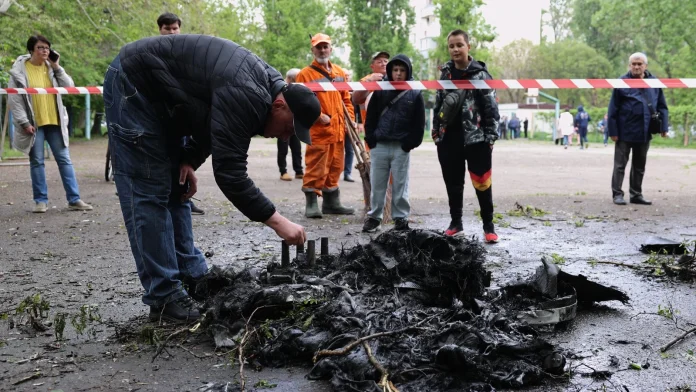
A man inspects fragments of a drone in the courtyard of a residential building following an air attack in Odesa

Daylight Thunder: Ukraine Faces an Unprecedented Drone Barrage

On a bright spring morning that some residents remember for the smell of fresh bread and the calls of street vendors, the sky over much of Ukraine turned into a passing black blotch of metal and noise. Air raid sirens wailed, metro stations filled with hurried, bewildered people, and a new chapter in this long war unfolded — not under the cover of night, but in broad daylight.

“Since midnight, at least 800 Russian drones have already been launched,” President Volodymyr Zelensky wrote on social media, summing up an attack that killed at least six people and wounded dozens, he said. The strikes hit towns and regions as far-flung as Rivne, Zaporizhzhia, Kherson and Odesa, leaving shattered glass, damaged apartment blocks and a heightened sense of vulnerability in their wake.

What Happened — and Where

Unlike previous large-scale strikes, which often fell after dark, this assault unfolded during daytime hours. Kyiv residents reported scrambling into subway tunnels — the city’s metro again becoming both shelter and seam between everyday life and the unpredictable violence overhead.

Rivne, in western Ukraine, bore some of the deadliest blows. Local authorities reported three people killed and four wounded after drones struck civilian infrastructure and a residential building. One person was killed in Zaporizhzhia, two others in Kherson, and multiple injuries were recorded in Odesa, Khmelnytskyi and Cherkasy. Ukraine’s military intelligence described a “prolonged air strike against critical facilities.”

Across the border in Russia’s Bryansk region, local officials said two people died in separate drone incidents — one in the village of Stara Pogoshch and another at a post office in Sevsk. The reciprocal casualties underscore how the conflict’s violence spills across lines with tragic, often anonymous consequences.

Voices from the Ground

“We had bread in the oven. My wife grabbed the kids and ran. The drone sirens were closer than I have ever heard them,” said a man waiting on a metro platform in Kyiv. “You think you can prepare for anything after four years, but this felt like a new kind of fear.”

In Rivne, a volunteer medic, Oleksandr, described the scene after the strike: “We arrived and there was dust everywhere, a child crying on a blanket, neighbors handing milk to firefighters. The physical damage is one thing. The hardest part is the look in people’s eyes — tired, but still stubbornly friendly.”

“This was not an accident,” President Zelensky charged, tying the timing of the barrage to the international calendar. He alleged Moscow launched the attack during U.S. President Donald Trump’s visit to China to “disrupt the overall political atmosphere” and draw attention away from the war’s true human costs.

Why This Feels Different

For more than four years, cities across Ukraine have been subject to relentless missile and drone attacks, but typically the largest-scale strikes came at night, when air defenses and civilian movement patterns can be exploited. Daytime attacks suggest a strategic shift — either an attempt to overwhelm remaining air defenses, to target infrastructure when people are at work and school, or to send a geopolitical message.

“Launching hundreds of drones during daylight signals confidence — or desperation,” said Dr. Elena Markov, a security analyst focusing on unmanned systems. “It’s a calculated gamble: drones have been adapted to penetrate layered defenses, and massing them can saturate radar and interceptor systems. The casualty toll is both tactical and psychological.”

Analysts have long warned about the democratization of aerial warfare. Since 2022, drones of many kinds — commercial quadcopters retrofitted for conflict, Iranian-made loitering munitions, and bespoke kamikaze variants — have reshaped the battlefield. The sheer volume of unmanned systems available has lowered the logistical bar for massed strikes, enabling parties that can assemble fleets to wage persistent pressure campaigns.

The Cost to Civilians and Infrastructure

Beyond the immediate toll in lives and injuries, the attacks raise long-term concerns. Power stations, water treatment facilities and critical logistics hubs have been targeted in previous waves, often causing cascading impacts that linger long after the last shell falls. Ukraine’s own estimates — reinforced by international observers — point to widespread damage to civilian infrastructure throughout the war, with tens of thousands displaced at various times and many urban neighborhoods still rebuilding.

Local shopkeeper Halyna in Kherson summed up what repeated assaults do to small businesses: “You rebuild a window three times, and finally you start saving for a new place. You never know if the next raid will be your last day open. People don’t want charity; they want a predictable tomorrow.”

Geopolitics in the Background

This attack did not occur in a vacuum. Zelensky urged U.S. President Trump to raise the issue of ending Russia’s invasion during his visit to China, signaling Kyiv’s desire to fold this tragedy into broader diplomatic currents. Whether and how great powers discuss the war behind closed doors has a direct influence on whether such strikes become more or less frequent.

Internationally, decision-makers face a knot of competing priorities: geopolitical positioning with China, domestic politics, the desire to avoid escalation, and moral pressure to push for civilian protections. Meanwhile, Ukraine’s plea is straightforward and urgent: stop the war before more lives — and cities — are lost.

Questions for the Reader

How do we reckon with a world where aerial warfare is no longer confined to military zones and nightfall offers no guarantee of safety? What do we owe civilians caught in the crossfire when the instruments of war grow cheaper and more numerous?

When the tools of violence become widely available, how do international norms and law keep pace? These are not theoretical questions. They matter in subway platforms in Kyiv and kitchen tables in Rivne, where a morning’s ordinary routine can be shattered by a buzzing machine from the sky.

Looking Ahead

The human thread running through this episode is stubborn and familiar: people attempting to carry on, to make a living, to raise children and keep hope alive amidst the rupture. Rescue crews sifting through rubble. Neighbors sharing tea. City councils tallying damage and trying to restore electricity.

“We will patch the roof, we will heal the wounds. We always do,” one volunteer said as dawn turned the dust in the air to a soft gray. “But patching is not the same as peace.”

If this barrage indicates anything, it is that the war’s technologies and tactics are evolving — and that global attention, diplomatic will, and humanitarian protections must adapt in turn. For Ukrainians, each attack brings the same question: what will be the shape of tomorrow? For the rest of the world, the question is whether we will answer.

Retrial Set for U.S. Lawyer Convicted in Wife and Son Murders

Retrial for US lawyer convicted of murdering wife, son
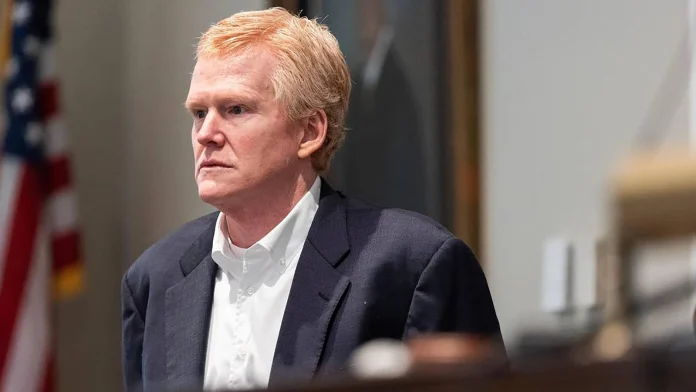
Alex Murdaugh was denied a fair trial because a court clerk influenced the jury, the South Carolina Supreme Court said (File image)

When the Scales Waver: The Overturning of the Murdaugh Murder Conviction

There are moments when a courtroom ruling sounds less like a verdict and more like an earthquake—shaking not just the people directly involved, but the ground beneath public trust. On a humid afternoon, the South Carolina Supreme Court did exactly that: it wiped away a conviction that had riveted the nation, ordering a retrial in the case of Alex Murdaugh, the once-powerful lawyer serving life behind bars for the 2021 killings of his wife and son.

For many, the decision will feel like a jolt—one part legal technicality, one part human drama, and all parts reminder that the justice system is fragile and human at every turn.

A dynasty under a storm

The Murdaughs long cast a long shadow over South Carolina’s Lowcountry: generations of prosecutors, judges and attorneys, a family name spoken with a mix of reverence and resignation in county courthouses and barbershops. Then, on a June evening in 2021, that dynasty cracked. Maggie Murdaugh, 52, and her son Paul, 22, were found slain at the family’s hunting property—an estate of pine trees and Spanish moss that seems plucked from Southern Gothic fiction.

Prosecutors said the killings occurred in the kennel area, mere minutes after Alex Murdaugh was reportedly the only adult present. The case catapulted the Murdaughs from local power to national spectacle, fueled further by allegations that Alex had been siphoning millions from clients and his law firm to feed a hidden opioid addiction. The accusations read like a cautionary tale about privilege, betrayal and addiction—ingredients that made viewers, podcasters and streaming services sit up and take notice.

How a clerk’s whisper unraveled a verdict

At the heart of the Supreme Court’s unanimous ruling was an issue that sounds deceptively small: a court clerk’s improper comments to jurors about how to watch the defendant during testimony.

The justices concluded that Rebecca Hill, a clerk at the trial, had told jurors to “watch his body language” and to “not be fooled” by the strategies of Murdaugh’s defense team—advice that, the court said, amounted to impermissible outside influence. “Hill placed her fingers on the scales of justice,” the opinion declared, “denying Mr. Murdaugh his right to an impartial jury.”

“Jurors are supposed to make decisions based on the evidence and the law, not on an official in the room pointing out nonverbal cues,” said Emily Turner, a constitutional law professor at the University of South Carolina. “When a court officer crosses that line, it corrodes the very foundation of a fair trial.”

Jurors later described feeling nudged. “We were told to really look at him when he was on the stand,” one juror told reporters. “It made us question our first impressions. It’s like someone telling you which painting to like—afterwards you wonder if you ever chose for yourself.”

What the court found

The high court found that the clerk’s comments were not harmless. The influence was external to the deliberation process and, the justices determined, substantial enough to justify overturning the murder convictions. They also signaled that the trial judge had allowed too much evidence about Murdaugh’s financial crimes—details that may have prejudiced the jury by painting a portrait of a man predisposed to wrongdoing, rather than focusing strictly on the crimes charged.

“Courts must be vigilant about the line between relevant background and prejudicial detail,” the ruling read—an admonition that will echo far beyond this case.

Confessions, contrition and contradiction

Murdaugh did not sit idly by in court. He testified in his own defense, a frail figure who admitted to stealing from clients and lying about drugs—telling the court that his addiction to opioids cost him about $50,000 a week at its worst. “I betrayed people who trusted me,” he said at the earlier trial. “I was a liar and a thief. But I did not kill Maggie and I did not kill Paul.”

Prosecutors point to phone data and other records that appeared to place him alone with his family at the estate minutes before the killings. For many viewers the televised trial felt like a slow, public unspooling of a life and career that had been teetering for years—excess, secrecy, and then, catastrophe.

Local voices, national attention

Walk through the small towns of the Lowcountry and you’ll hear this case refracted through a thousand lenses: gossip, grief, a hunt for truth. At a diner near Beaufort, a waitress named Rosa wiped her hands and said, “It’s not about rich or poor—it’s about whether the same rules apply to everyone. We’re all tired of feeling like the little folks get the short end.”

Sam Jenkins, who runs a bait shop two miles from the entrances to the Murdaugh properties, had a different read: “People loved to make TV about him, and they loved even more to watch him fall. But whether he goes to a new trial or not, those graves are still there.” His voice carried the weary skepticism of someone who has seen public passions flare and then burn out.

Universally, locals say the case exposed more than a crime: it lifted the veil off a culture where family connections can feel like unspoken immunity. “This is a small place,” a former prosecutor from the region said on the condition of anonymity. “Everybody knows somebody. That can be a blessing or a poison.”

Why this matters beyond headlines

There are legal lessons, to be sure. The standard for overturning a conviction because of outside influence is high; courts rarely grant retrials on such grounds. The Supreme Court’s decision underscores how seriously judges must guard the integrity of the jury process.

There are also broader social questions. What does accountability look like when institutions are entwined with the people they’re supposed to oversee? How does a community heal when it has been betrayed by a trusted professional? How does the opioid epidemic—responsible for roughly 100,000 overdose deaths in the U.S. in 2021, according to federal data—intersect with financial crime, mental health and family collapse?

“We are seeing a collision of public health, white‑collar crime, and criminal justice,” said Dr. Anika Patel, a sociologist who studies addiction and institutional trust. “It’s a warning sign that spilled into a violent act, and a reminder that complex social problems rarely have simple answers.”

Looking forward: retrial, reflection, repair

The court ordered a new trial, but that is not the same as an exoneration. Prosecutors can try the case again; juries will have to return, witnesses might be reconsidered, and the public will likely watch anew. For some, the decision reopens a wound; for others, it reopens a door to due process.

“My hope is fair play,” said a neighbor who asked not to be named. “Whatever happens next, let it be honest, let it be thorough, and let the victims’ names not be swallowed up by the circus.”

As readers, what should we take away? Perhaps it is the old but necessary reminder that the machinery of justice depends on the small, human things: the words of a clerk, the tone of a judge, the attention of a juror. One misplaced comment, one rushed decision, one moment of bias can tip the scales—raising questions not just about one man’s guilt or innocence, but about how we, as a society, want justice to be done.

Will the retrial bring clarity, or will it deepen the mystery? Will a community that watched a family fall apart find new ways to protect its own? These are not easy questions. They are, however, the kind that demand attention—not only from lawyers and judges, but from everyone who believes the rule of law should be more than a slogan.

Corbyn says Starmer is unlikely to survive as prime minister

Hard to see Starmer surviving as PM - Corbyn

A Party at Sea: Why Corbyn Thinks Starmer’s Premiership May Not Last

There are moments in politics that feel less like a slow boil and more like standing at the lip of a storm. You can hear it in the cadence of a speech, in the muttering at the back of a constituency meeting, in bannered messages outside union halls. Recently, former Labour leader Jeremy Corbyn offered a line that landed like thunder: he said he found it “hard to see” Keir Starmer surviving as prime minister. That simple remark — blunt, provocative, unvarnished — exposes fault lines that run deeper than any single leader’s fate.

Walk the streets of any British town and you encounter the reasons for both pessimism and hope. In a café in Sunderland, a retired teacher stirs his tea and sighs, “We voted for change, but I don’t know who’s steering the ship.” In a bakery in Brixton, a young parent shrugs: “Give them time to fix things — there’s a lot to do.” These are small scenes, ordinary, human. They are also the theatre in which national destiny is being debated.

What Corbyn’s Words Reveal

Corbyn’s blunt assessment is not just personal provocation; it’s a mirror to the uneasy coalition that is modern Labour. Since Starmer became leader, his mission has been difficult: reassure middle-ground voters scarred by past controversies while holding together a party with an active, sometimes insurgent left. Corbyn’s comment resonates with activists who feel their priorities — redistributive policy, bold public investment, pro-worker stances — have been sidelined.

“We’re seeing a party trying to be everything to everyone,” says Dr. Aisha Rahman, a political sociologist who studies party identity. “That breeds fragile majorities inside the party. When internal trust frays, it shortens the political horizon of any leader.”

On the Ground: Voices from Across Britain

For many voters, the question isn’t just about personalities. It’s about whether politics can meet bread-and-butter needs. A nurse in Manchester told me, “Staffing on the wards is a daily crisis. Party debates feel a long way from the patient’s bedside.” A bus driver in Cardiff laughed, then added, “If a leader can’t talk to the unions or the commuters, they’re in trouble.”

Union halls remain a bellwether. A trade union official in Glasgow — speaking on condition of anonymity — explained, “There’s disappointment and fatigue. Members want clear commitments: not slogans, but concrete plans for wages, housing, and public services.” Unions helped power Labour in recent decades; their mood now matters in more than a ceremonial way.

Numbers, Trends, and the Political Weather

Polls and numbers are the weather reports of politics: they tell you what to expect, but not always how the storm will land. Since Starmer’s ascent to leadership, Labour enjoyed a substantial lead in many opinion polls. Yet politics is a theatre of change; momentum can shift quickly when economic anxieties, international events, or internal scuffles seize headlines.

Consider this: across Europe, electorates have grown more volatile in recent years. Economic dislocation, a constant drumbeat of media, and the fragmentation of traditional party loyalties have made governing a matter of delicate balance. In Britain, issues such as housing affordability, the cost-of-living squeeze, and public-sector pay remain the pressures that test any government’s legitimacy.

Party Dynamics: Unity, Discipline, and Dissent

Leadership longevity depends on a mix of electoral success, party unity, and public trust. Corbyn’s remark is as much about the ease of dissent inside Labour as it is about personal criticism. Backstage, factions tangle. Frontbenchers plead for discipline. Grassroots panels demand ideological clarity. The result is a political tug-of-war that can be wearisome for voters and destabilising for a leader.

“Leadership isn’t just about setting the national agenda,” says Eleanor Finch, a veteran political strategist. “It’s about institutional trust. If colleagues are whispering rather than working, that leader exists in a precarious state.”

Local Color: The Cultural Ground beneath National Debate

Part of Britain’s political story is its cultural texture. In seaside towns, where post-industrial decline is visible in shuttered arcades, conversations about immigration, globalisation, and national identity are never abstract. In university towns, debates about tuition fees, research funding, and civil liberties animate cafes and college quads. Even the language of political posters — the fonts, the slogans, the choice of colors — tells you something about whom a party is courting.

At a market stall in Plymouth, a vendor pointed at an old Labour poster and said, “This was my dad’s; he was proud. Today, folks want that pride to mean something practical — jobs, heat, and dignity.” That’s the contest leaders face: translating ideals into everyday gains.

Looking Outward: What This Means for Global Politics

Why should readers outside Britain care? Because the way parties manage internal dissent and public expectation is a global story. Democracies everywhere wrestle with polarization, the erosion of trust in institutions, and the demand for leaders who are both authentic and capable. Britain’s struggles reflect a broader trend: electorates demanding competence and compassion in equal measure.

Moreover, the stakes of leadership extend beyond domestic policy. A prime minister’s stability affects everything from international alliances to trade negotiations. When pundits speculate on survival, the implications ripple into markets, foreign policy, and global perceptions of governance.

So what next?

Will Starmer survive? Corbyn’s words suggest doubt; the public mood supplies the uncertainty. But survival is not merely staying in office. It’s delivering on promises that matter to people’s daily lives, and keeping the party unified enough to govern.

Ask yourself: what do you want from leadership? Bold policy or careful stewardship? Radical transformation or steady improvement? The answers will vary — and that plurality is what makes democracy messy, infuriating, and alive.

In the weeks and months ahead, watch for three signals: clarity of policy, signs of organisational cohesion, and responsiveness to everyday pressures. If Starmer can demonstrate all three, his critics may quieten. If not, the chorus of doubt — voiced by former leaders, union activists, and street-corner conversations — may grow louder.

Whatever unfolds, the conversation Corbyn provoked is useful. It forces a party, and a nation, to reckon with priorities. It forces voters to reflect on what they expect from those they entrust with power. And it forces leaders to remember that political survival, ultimately, hinges on one constant: whether people’s lives are better for the government that leads them.

Trump declares he can end Iran conflict without Beijing’s assistance

Trump says he does not need China's help to end Iran war
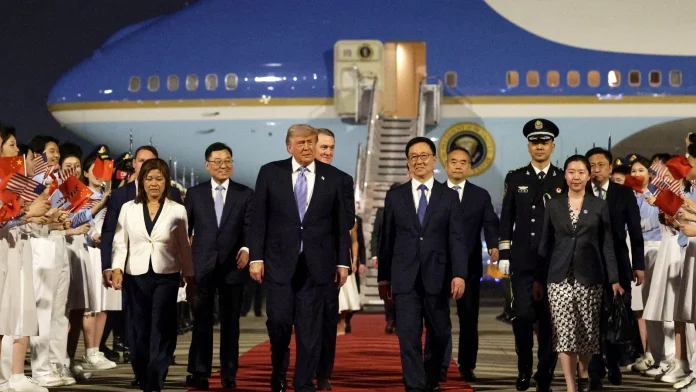
Air Force One touched down at Beijing Capital International Airport after the flight from Washington

Air Force One, a Red Carpet and the Long Shadow of Two Giants

The engines had hardly cooled when the cameras began to hunt for a narrative. Air Force One rolled onto Beijing’s tarmac like a weather front — loud, inevitable, and carrying with it questions that will not be answered by protocol photos alone.

It was more than a presidential arrival; it was a compact, combustible meeting of two worlds. For nearly a decade no American president had set foot on Chinese soil, and now, beneath the sweep of airport lights and the hum of translator booths, history was being retold in the present tense.

The spectacle and the stakes

There will be the pageantry: a reception at the Great Hall of the People, a walk through the glazed tiles of the Temple of Heaven, a state banquet whose menu and music will be parsed for symbolism. But beneath the silk tablecloths and diplomatic bows is the meat of the matter — trade, technology, Taiwan, and a war that has pushed one of the globe’s most strategic choke points to the front of everyone’s minds.

“We’ll win it one way or the other, peacefully or otherwise,” the president told reporters before boarding, a clipped line that landed like a stone in already churning waters. He followed that with a public insistence — repeated with a casual, almost flinty confidence — that China’s help would not be necessary to end the conflict or to keep the Strait of Hormuz open. That strait, remember, funnels roughly one-fifth of the world’s seaborne oil. When an artery like that flutters, economies and politics shiver.

Business on board: a delegation of CEOs and the AI angle

Air Force One carried, beyond the usual aides and security detail, a high-powered cohort of chief executives: the kinds of people who do not travel light on symbolism nor on baggage claims. Jensen Huang, the CEO of Nvidia, was a last-minute addition — spotted boarding during a refueling stop. Elon Musk was also seen in the service cabin, a reminder that this visit is as much about microchips and machine learning as it is about missiles and maritime law.

“We’re here to solve practical problems,” one CEO traveling with the delegation told me. “This is not a PR tour. We want regulatory certainty, access to markets, and predictable rules of the road.”

Nvidia’s presence is no accident. Advanced chips are the fuel of modern geopolitics — in data centers, defense systems and the artificial intelligence models that are reshaping economies. Washington has tightened controls on some high-end chip equipment and semiconductors; Beijing has answered with demands of its own. On both sides, there is hunger for a deal that loosens chokeholds without surrendering strategic advantage.

What the talks are likely to cover

  • Trade: a fragile truce struck last October that paused a cycle of steep tariffs.
  • Technology: disputes over export controls on chips and chipmaking tools.
  • Security: US arms sales to Taiwan and China’s insistence that such moves are destabilizing.
  • Regional conflict: the war with Iran and efforts — halting and fraught — to secure shipping lanes.

Negotiations outside the limelight

While the president prepared for pomp, a different, quieter diplomacy was in motion. Scott Bessent, the administration’s top trade negotiator, concluded hours-long talks with Chinese officials at a reception room in South Korea’s Incheon airport. Officials on both sides called the exchanges candid and constructive. That’s the language of diplomacy; under it are real calculations about supply chains, tariffs, and national resilience.

“We came here to steady a ship that has been listing,” a European trade analyst said. “Neither side wants open conflict, but both have domestic constituencies that demand toughness. That makes any compromise expensive in political terms.”

Taiwan, arms, and the balancing act

Beyond chips and trade lies the thorn that has been present in every US-China encounter for decades: Taiwan. The island’s democratically governed status and its close ties to Western tech supply chains make it a perennial flashpoint. A roughly $14 billion arms package for Taiwan reportedly waits on approval. Beijing views any US arms sale as a direct affront. Washington sees the obligation to help ensure Taiwan can defend itself as a legal and moral commitment.

“Every weapons sale is a test,” said a retired diplomat who has worked on cross-strait issues. “It’s not just about the tanks or the missiles. It’s about signaling. Are you a friend, or a bystander?”

Local color: Beijing’s streets and the undercurrent of expectation

I walked later in the afternoon, when the airport lights had dimmed and the city had reclaimed its rhythm. A tea vendor near a hutong smiled politely at the cameras that had trailed the presidential motorcade earlier. A taxi driver shrugged when asked about the visit: “We get presidents, we get parades. But we also want stability. My cousin exports parts to Europe — if shipping gets disrupted, he worries.”

Traditional motifs — red lacquer, carved dragons, the coiling roofs of centuries-old alleys — held a quiet counterpoint to the modern spectacle. Temples will be toured; fawns-and-phoenixes will be photographed. Yet every incense-scented pause was shadowed by global supply chains and strategic calculations that can’t be soothed by a banquet speech.

Why this matters beyond Beijing and Washington

Ask yourself: who pays when two superpowers posture? Consumers, workers, and farmers do. Supply chains that move everything from smartphones to soybeans can be rerouted only at great cost. Global markets look to Beijing and Washington as twin anchors — when those anchors creak, the rest of the world feels it.

Consider the energy markets. When shipping through the Strait of Hormuz tightens, tanker rates spike and inflationary pressure ripples into grocery bills, commuter costs and national budgets. Consider technology: if export curbs harden, innovation pipelines stall, investments reroute to other hubs, and the next generation of startups may find fewer places to thrive.

Concluding note: the theater and the ledger

Diplomacy is always two things at once: theater and ledger. Tonight, the ceremonial lights will burn bright. Tomorrow, negotiators will return to rooms with closed doors and long agendas. Whether this visit will reshape the ledger — loosening trade snarls, easing the flow of chips, or nudging Tehran toward a settlement — is an open question.

“It’s a reset only if both sides feel they can win something without losing too much,” a Beijing-based geopolitical strategist observed. “If history teaches us anything, it’s that these visits are where signals are sent, not where wars are ended.”

So watch the banquets and the selfies. But also watch the supply chains, the semiconductor orders, and the shipping manifests. Because in the end, the real impact of this meeting will be measured not in toasts, but in whether the world’s traffic — of ideas, goods, and oil — moves a little more freely afterward. What would you want to see come out of these talks? Stability? Clear rules for technology? A slower drumbeat toward conflict? The answers won’t be in the press release; they’ll be in the markets and in the lives of people far from Beijing’s ceremonial lights.

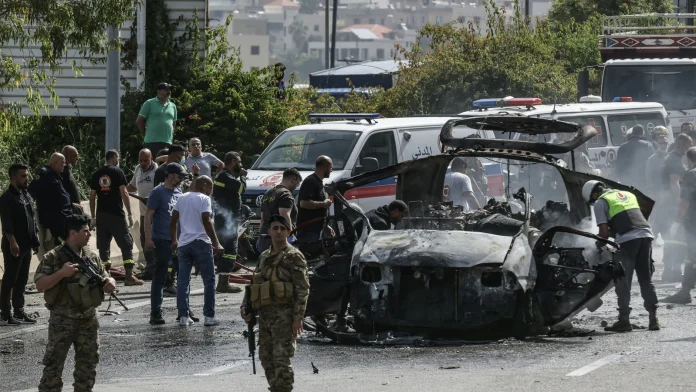
Lebanon reports Israeli vehicle strikes kill 12 civilians

Lebanon says Israeli strikes on cars kill 12
The latest Israeli strikes came on the eve of a new round of direct negotiations between Lebanon and Israel in Washington

In the shadow of Washington: strikes, funerals and fragile diplomacy on Lebanon’s southern shore

On a coastline where lemon trees meet the Mediterranean and cars weave past fisherman’s nets, the ordinary rhythms of life were punctured by the sound of explosions. In a single day this week, ambulances threaded through smoke and the coastal highway south of Beirut became a corridor of charred metal and grief.

Lebanon’s health ministry counted 12 people killed in a series of strikes that hit cars and small pockets of the country’s south — mostly around Jiyeh, Sidon and parts of the Tyre district. Authorities said two children were among the dead. Photographs from the scenes showed twisted, blackened vehicles and rescue workers carrying bodies into waiting ambulances; at one site near Jiyeh, a burnt-out car still smelled faintly of fuel and burned rubber.

“We heard the blast first, then people screaming,” said Maya Hassan, a shopkeeper in Sidon, who watched ambulances go by that afternoon. “You learn to live with sirens, but you never stop counting the cost.” Her voice cracked when she added, “We are tired of burying people we knew.”

On the cusp of diplomacy

These strikes came on the eve of a new, U.S.-brokered round of direct Lebanon–Israel negotiations in Washington — the most tangible push yet to untangle a frozen, volatile border dispute. For Beirut, the talks are being led by veteran diplomat Simon Karam, a signal that Lebanon is taking the process seriously, even as gunfire and drone skirmishes continue on its soil.

Israel argues it reserves the right, under the terms of the ceasefire issued on April 17, to strike “planned, imminent or ongoing attacks.” Since that ceasefire, AFP’s tally of health ministry figures reported more than 400 deaths in Lebanon. Meanwhile, Lebanese authorities say that since Hezbollah’s wider escalation in early March, more than 2,800 people have been killed across the country — including at least 200 children.

“Diplomacy cannot proceed in a vacuum of violence,” said Dr. Lina Haddad, a Beirut-based conflict analyst. “If the talks are to succeed, there must be trust — and trust cannot be built on charred cars and funerals.”

The human footprint

In Sidon, the grief was visible and ceremonial. Dozens gathered to mourn two civil defence personnel killed in an earlier strike. Their coffins, draped in Lebanon’s flag, passed under an honour guard of colleagues clutching rescue helmets and flak jackets — a striking tableau of public service laid bare in wartime.

“They were the people who came when others ran,” said Captain Rafiq Al‑Taj of the civil defence force, palms blackened from hauling debris in other attacks. “You cannot measure the loss. A rescue team is a small family in a country that keeps losing its families.”

The funerals, the late-night vigils, the impromptu soup kitchens set up by neighbours — these are the textures that statistics cannot convey. Yet statistics matter: they help the world quantify the scale of a crisis and, sometimes, galvanise action. The tally is stark — hundreds dead since the ceasefire, thousands since March — and the numbers keep rising.

Drones, UN peacekeepers and the new geography of warfare

One of the haunting features of this conflict is the increasing presence of drones. Hezbollah has been using low-cost fibre-optic drones to harass Israeli positions and, according to multiple accounts, to conduct strikes. These devices — small, agile, often launched from concealed locations — have altered the battlefield, complicating the calculus of risk and reprisal.

UNIFIL, the United Nations Interim Force in Lebanon, has flagged growing concern over drone activity in and around its positions. Their statement warned that explosions in or near UN bases have put peacekeepers at risk, and reported several detonations near the force’s Naqura headquarters. “This is not theoretical,” a UNIFIL spokesperson told me. “Our personnel are being endangered. Drones are changing the nature of what a buffer zone means.”

The Israeli army said it struck Hezbollah infrastructure, weapons storage facilities and rocket launchers across south Lebanon. Hezbollah, for its part, claimed ambushes and attacks on Israeli troops operating north of the border’s so-called “yellow line” — a zone roughly 10 kilometres north of the formal frontier that Israeli forces have been operating within.

Voices from the ground — fear, defiance and weary pragmatism

A schoolteacher in Tyre, who asked to be identified only as Samir, describes a weary calculus. “We wake, check the news, call relatives. Then we try to teach children colours and numbers while we plan for the next knockout on the phone,” he said. “You teach resilience by necessity.” His school has been damaged by nearby shelling; the blackboard now bears a line of dust where glass shattered during the last strike.

Hezbollah’s deputy leader, Naim Qassem, has warned that fighters will make the battlefield “hell” for Israel if operations continue — language that hardens resolve on both sides. “When words grow sharp, guns answer in ways that aren’t easy to reverse,” Dr. Haddad said. “Words are good for headlines, but ceasefires are kept by restraint.”

Why this matters beyond Lebanon

What unfolds along Lebanon’s southern coastal highway is not an isolated incident confined to local actors. It is a flashpoint in a broader regional dynamic: a battlefield where state and non-state forces test boundaries, where small drones and asymmetrical tactics meet conventional militaries, and where civilians increasingly bear the brunt.

Consider the ripple effects: refugee flows strain neighbouring communities, port closures disrupt trade pipelines, and every cemetery fills with a story that might seed future grievances. The Washington talks are a narrow corridor for de-escalation — but without local buy-in, without mechanisms that protect civilians on the ground, agreements risk being fragile paper amid real gunfire.

And the humanitarian needs are vast. International envoys have warned that rebuilding and recovery — in Gaza as well as parts of Lebanon — will take years and billions in aid. “Removing the rubble, rehousing a million people, restoring water and sanitation — this is a generation of work,” one international official observed, reflecting the scale of the challenge.

What comes next?

There are no easy answers. The Washington talks could open a path to a durable arrangement over maritime borders and access to offshore resources. Or they could become just another diplomatic waypoint in a long, volatile road. Success will require more than signatures — it will require de-escalation on the ground, protection of civilians, and credible enforcement of whatever terms are agreed.

So I ask you, reader: what responsibility does the international community bear when diplomacy sits just a continent away from the blast radius of missiles? When civilians queue for bread beside a memorial to neighbours killed in a strike, what does peace look like?

For now, families in Sidon and Tyre patch clothes, mend nets and fold flags over coffins. Diplomats prepare briefing notes in Washington. And drones continue to hum in the twilight, reminding everyone that the future of this stretch of coastline will be decided not only in grand halls, but in the lives of those who still walk the roads between sea and mountain.

  • Reported deaths in Lebanon since the April 17 ceasefire: more than 400 (AFP tally, health ministry figures)
  • Reported deaths since early March escalation: more than 2,800, including over 200 children (Lebanese authorities)
  • Key locations affected: Jiyeh, Sidon, Tyre, Burj al‑Shemali
  • Diplomatic milestone: U.S.-brokered talks in Washington, led for Lebanon by Simon Karam

Maxaa kasoo baxay shirkii maanta Xalane uga furmay Dowladda iyo Mucaaradka?

May 13(Jowhar)Waxaa soo idlaaday shirkii maanta Muqdisho gaar ahaan Xerada Xalane ugaga furmay Dowladda Soomaaliya iyo xubno ka tirsan Mucaaradka.

WHO chief: Efforts continue after the hantavirus evacuation

'Work not over' after hantavirus evacuation - WHO chief
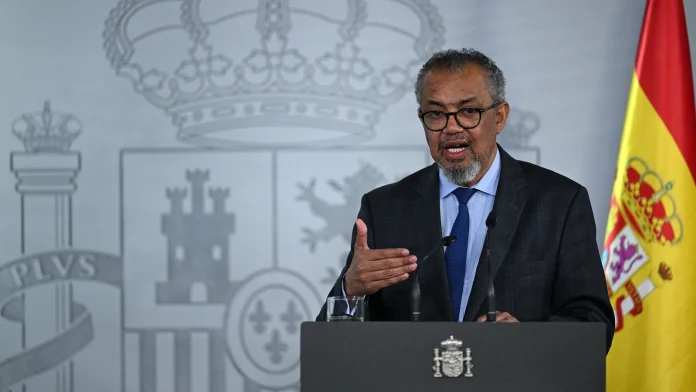
WHO Director-General Tedros Adhanom Ghebreyesus at a press conference in Madrid, Spain

At Sea, Between Fear and Protocol: The MV Hondius and the Quiet Threat of Hantavirus

The image is cinematic: a sleek expedition ship, the MV Hondius, anchored off the sun-drenched coast of Tenerife as health workers in masks and gowns move like careful choreographers along gangways. But this is not a movie set. It is the awkward, urgent choreography of public health in real time — a reminder that the natural world still surprises us, and that global travel can turn an isolated spillover into a diplomatic puzzle.

Three passengers have died after an outbreak of hantavirus aboard the Hondius, and at least seven more people have confirmed infections with an eighth listed as probable. A French woman over 65, with pre-existing medical conditions, remains in intensive care on a ventilator. These numbers have set off alarms and questions, but also a chorus of reassurances from the World Health Organization and national governments: the global risk is low, they say, and there is no sign this is the beginning of a larger pandemic.

“Our work is not over” — a cautious chorus

“Our work is not over,” WHO chief Tedros Adhanom Ghebreyesus told reporters in Madrid, a phrase that felt less like a warning and more like a pledge. “There is no sign that we are seeing the start of a larger outbreak,” he added, but he also reminded listeners that the Andes strain — the variant implicated in these cases and one of the few hantaviruses known to spread between people — can incubate for up to six weeks. That long tail means we might hear of more cases in the weeks ahead.

“We must not dismiss the possibility of spread simply because we want to avoid panic,” a senior WHO epidemiologist said off the record. “Prudence now saves panic later.”

What we know about hantavirus — and what we don’t

Hantaviruses are not new. They are a family of viruses carried by rodents, transmitted to humans through contact with urine, faeces or saliva — usually when contaminated dust is stirred up. The Andes virus, indigenous to parts of Argentina and Chile, is notable for its ability to transmit from person to person, albeit inefficiently compared with respiratory viruses like influenza or SARS-CoV-2.

There is no vaccine and no specific antiviral approved for hantavirus infections. Treatment is supportive: careful intensive care, oxygen, sometimes extracorporeal membrane oxygenation for the most severe pulmonary cases. Historically, hantavirus pulmonary syndrome has carried a high case-fatality rate — often cited in the range of 30–40% — though outcomes can vary widely depending on speed of medical care and the patient’s underlying health.

Numbers and measures

More than 120 passengers and crew were evacuated from the Hondius to the Canary Islands and flown home to a handful of countries. Among the affected nationalities are the United States, the United Kingdom, France, Spain, Switzerland and the Netherlands. Dutch authorities reported that the first flight of 26 evacuees tested negative on arrival in the Netherlands but are still subject to strict quarantine and monitoring.

WHO guidance for contacts of potential hantavirus cases is sober and stringent. The recommended quarantine period is 42 days — six full weeks — reflecting the long incubation window. During that time, high-risk contacts are to be monitored daily for fever and respiratory symptoms. Countries are applying these rules in different ways: some impose mandatory isolation, others recommend home quarantine and active follow-up by public health teams.

  • Incubation period: up to 42 days
  • Confirmed cases from the ship: 7
  • Probable case: 1
  • Deaths: 3

Across borders and political lines

The Hondius voyage began in Argentina on April 1, intended as a leisurely crossing to Cape Verde. Instead, it became a test of international cooperation. Cape Verde refused to accept the ship; Spain allowed it to anchor off the Canary Islands for evacuation, a decision that drew fierce local opposition in the archipelago. Spanish Prime Minister Pedro Sánchez framed the choice as moral: “The world does not need more selfishness or more fear. What it needs are countries that show solidarity and want to step forward,” he said. His words landed like a gauntlet.

“We were nervous,” said Lucía Martín, a nurse in Santa Cruz de Tenerife who volunteered to help screen evacuees. “People here remember the pandemic — we remember the hospitals filling up. But we also remember how neighbours showed up for each other. That’s why we helped.”

Navigating where to take the ship and how to repatriate passengers became a diplomatic puzzle, played out alongside medical triage. Nations weighed public fear against humanitarian responsibility. In the end, coordinated airlifts and quarantine arrangements saw evacuees dispersed to their home countries under a patchwork of protocols.

Onboard voices

For those who were aboard the Hondius, the experience was unnerving and surreal. “One day we were watching dolphins, the next day everything changed,” said a British passenger, who asked not to be named. “You realise how small the world actually is — and how quickly things can pivot.”

Another passenger, a retired teacher from the Netherlands, described the ordeal as a lesson in patience. “You can’t rush biology,” she said with a half-smile. “You can only watch, wait, and trust the people who know more than you.”

Why this matters beyond one ship

There is a tendency, post-Covid, to either over-amplify or shrug off new disease alerts. Both reactions are dangerous. The Hondius incident is a microcosm of broader issues: zoonotic spillovers are likely to become more frequent as human activity encroaches on animal habitats; global travel can accelerate spread; and the patchwork of national policies can complicate coordinated responses.

What the event also highlights is the fragile balance between public health and human dignity. Quarantine is a blunt instrument. It protects populations, yes — but it also isolates people who are frightened and, in many cases, innocent. How we contain disease matters as much as whether we contain it, because the societal trust that permits public health measures to work is earned, not given.

Questions for the reader

What are we willing to sacrifice in the name of safety? How do we balance the urgency of protecting populations with the rights and well-being of individuals? And how do we keep global systems nimble enough to respond without throwing up the default of closing borders?

These are not rhetorical exercises. They are the policy questions national governments and international bodies will keep circling as they monitor passengers, test contacts, and prepare the Hondius for a scheduled disinfecting in the Netherlands.

Looking forward

For now, the message from Madrid, from WHO briefings and from health ministries is one of cautious calm: diligent contact tracing, adherence to quarantine for up to 42 days, and robust monitoring of anyone who might have been exposed. If that sounds tedious, it is — but it is also the best available path between panic and inaction.

“This episode should remind us of two things,” said an infectious-diseases specialist in Barcelona. “First, nature doesn’t give us time to rehearse. Second, the infrastructure we have built in the last decades — surveillance, labs, international cooperation — still works, imperfectly but effectively. We must use it.”

So we watch the reports, follow the quarantine advice, and wait for the incubation clock to wind down. Along the way, there will be stories of sorrow, of frustration, and maybe of quiet heroism — the nurse who volunteered in Tenerife, the doctor who managed a ventilated patient, the crew that stayed aboard to help. The Hondius has become a moving lesson in how we meet contagion: with science, solidarity, and, above all, patience.

Fireworks, light show as pope blesses new Barcelona tower

Fireworks and dazzling lights mark pope’s blessing of Barcelona’s new tower

0
With fireworks bursting over Barcelona and light rippling across stone spires, Pope Leo XIV on Sunday blessed a monumental new tower at the Sagrada...
Watch: 'I love the inflation,' Trump tells reporters

Video: Trump Tells Reporters He “Loves” Inflation in Blunt Remark

0
With inflation flashing its hottest warning signal in three years, US President Donald Trump delivered a surprising take on the latest government numbers, telling...
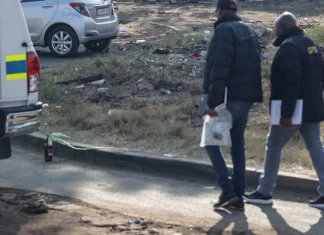
Twelve killed, nine injured in Johannesburg shooting

Johannesburg Shooting Leaves 12 Dead and 9 Wounded, Police Say

0
In a chilling overnight raid on the edge of Johannesburg, gunmen swept through an informal settlement and killed 12 people, South African police said. Police...
World's largest whale graveyard discovered by Chinese sub

Chinese sub uncovers the world’s biggest whale graveyard on ocean floor

0
A vast “necropolis” of whales—packed with both fresh remains and fossils millions of years old—has been found on the floor of the Indian Ocean,...
US strikes Iran as Tehran warns of response to attacks

US Launches Strikes on Iran as Tehran Threatens Retaliation for Attacks

0
Fresh explosions rattled southern Iran overnight as the United States launched a new round of strikes, a move that came just hours after President...